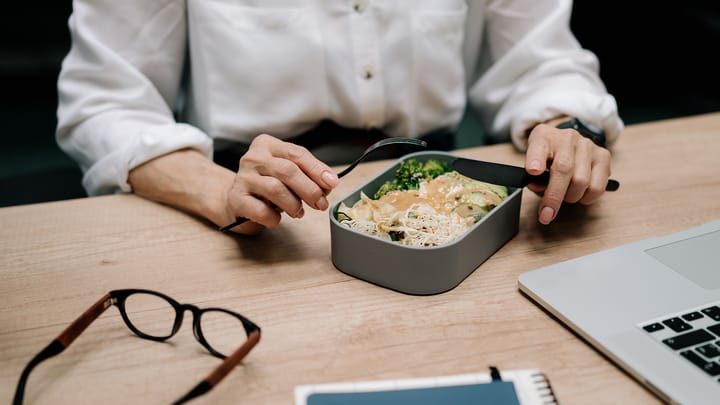
As summer is officially over and employees settle back into their regular office routines, restaurant operators have an opportunity to reach customers somewhere they are spending more of their time again: the workplace. The office lunch occasion has changed considerably over the last several years.
Hybrid schedules have made daily populations less predictable, consumers have more choices than ever, and expectations around quality and variety have increased. But for restaurants, the workplace can still be an attractive source of incremental demand, particularly U.S. employers increase their hiring in the back half of the year and as return-to-office policies bring more people back on a consistent basis.
Tastes have changed quite a bit since I started connecting restaurants with workplace customers more than 15 years ago, and there are some clear patterns around what’s working and what’s not in the office lunch sector.
What’s winning in the workplace
Variety continues to matter to consumers. Potential customers, particularly those working in urban areas, are surrounded by restaurant choices and are accustomed to deciding among different cuisines, formats, and price points every day. The most successful workplace programs reflect that. For restaurant operators, the goal is not necessarily to become someone’s everyday lunch. It is to earn a place in the rotation and give people something that they’re excited to try.
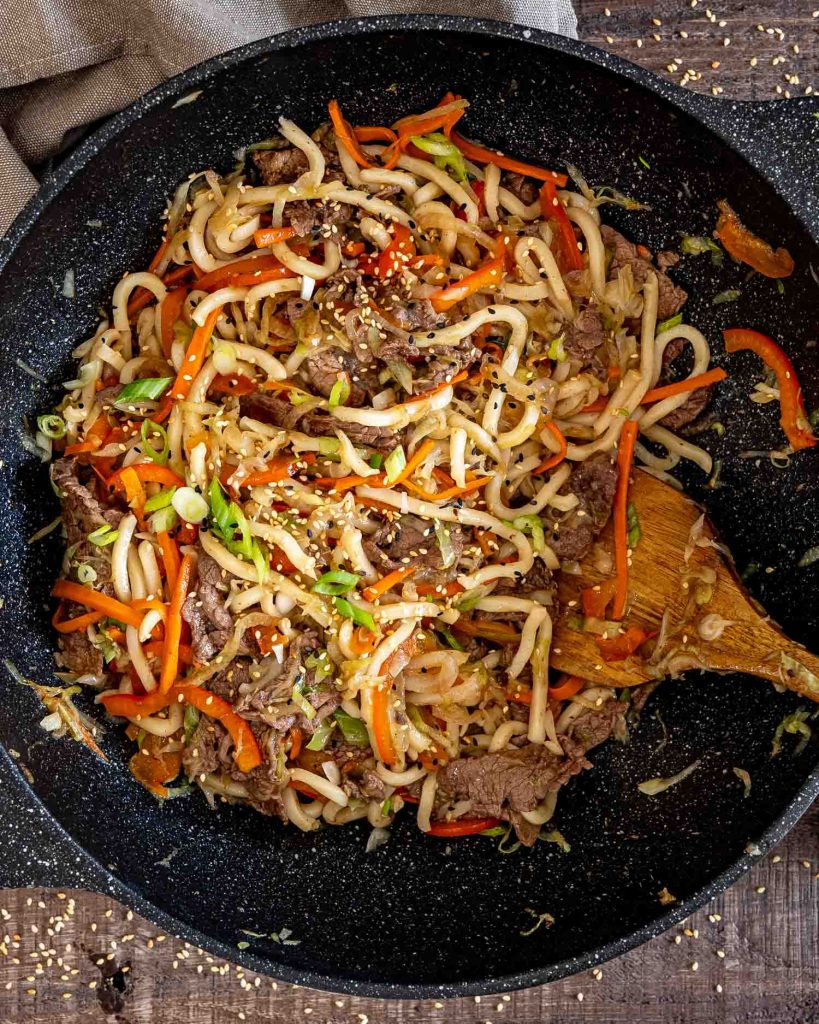
Within that variety, Asian food has been the standout so far this year. Year to date, sales of Asian food through Fooda have increased 53% compared with the same period last year, led by dishes including chicken teriyaki bowls, orange chicken bowls and Pad Thai. Some of that growth comes from having more Asian restaurants available, but that does not explain the whole story. Sales among Asian restaurants that were active in both periods still increased roughly 15%, which would put Asian food ahead of every other cuisine we track.
The format may be as important as the cuisine itself. Diners appear increasingly interested in composed meals, particularly bowls that combine a protein, grain, vegetables and sauce into a complete lunch. Asian menus naturally lend themselves to that format, but we are seeing a similar pattern elsewhere. Overall salad sales increased 11% year over year, with some of the strongest performance coming from spicy Caesar salads, crispy chicken wraps, and heartier grain bowls. Hungry bowls, rice bowls and quinoa bowls all posted strong double- and triple-digit growth at locations that carried them in both periods.
There is a broader health trend underneath those results. Soups, salads, rice bowls, quinoa bowls and other grain-based meals continue to perform well, which is consistent with increased consumer attention to health and wellness and potentially the growing adoption of GLP-1s. But I would not interpret the data as consumers simply wanting lighter food. What seems to be working is food that balances health with satisfaction. People may want something more nutritionally balanced, but they still want lunch to taste like lunch. National brands including Just Salad, Sweetgreen, and Teriyaki Madness have performed well in workplace settings and reflect many of these same trends.
For restaurant operators, I think the takeaway is relatively straightforward. Workplace diners want variety, but within that variety we are seeing stronger demand for flavorful, composed meals that travel well, are easy to eat and can satisfy someone without feeling overly heavy. Restaurants that can deliver that combination are well positioned for the office lunch occasion.
How restaurants can capitalize on rto
The workplace is becoming a meaningful dining location again, which reflects a broader opportunity. Return-to-office policies are becoming more established, and even in a hybrid environment, millions of consumers are making lunch decisions at work several days a week. That creates a customer occasion that restaurants should be thinking about alongside dine-in, takeout, delivery and catering.
The economics can also be attractive. Workplace programs tend to concentrate demand into predictable windows, allowing restaurants to operate with more focused menus and prepare meaningful volume efficiently. In many cases, that food can leave the kitchen before the restaurant’s traditional lunch rush begins. There is a marketing benefit as well. Serving inside a workplace puts a restaurant in front of customers who may not otherwise encounter the brand, and a first meal at the office can lead to a future visit to the restaurant itself.
The key is approaching the workplace as its own channel rather than simply another form of delivery or catering. Menus need to travel well, service needs to be fast, and pricing has to make sense. Also, operators need a model that does not create unnecessary complexity inside the restaurant. There are specialists who can manage the logistics, technology, and workplace relationships so restaurant operators can focus on what they do best: making good food and creating experiences people want to come back to.
The workplace lunch consumer is not fundamentally different from the consumer walking into a restaurant. They still want quality, value, variety, and something they are excited to eat. As more people spend more days back at work, the opportunity for restaurants is to meet those customers where they already are.