This post may contain affiliate links. Please read my disclosure policy.
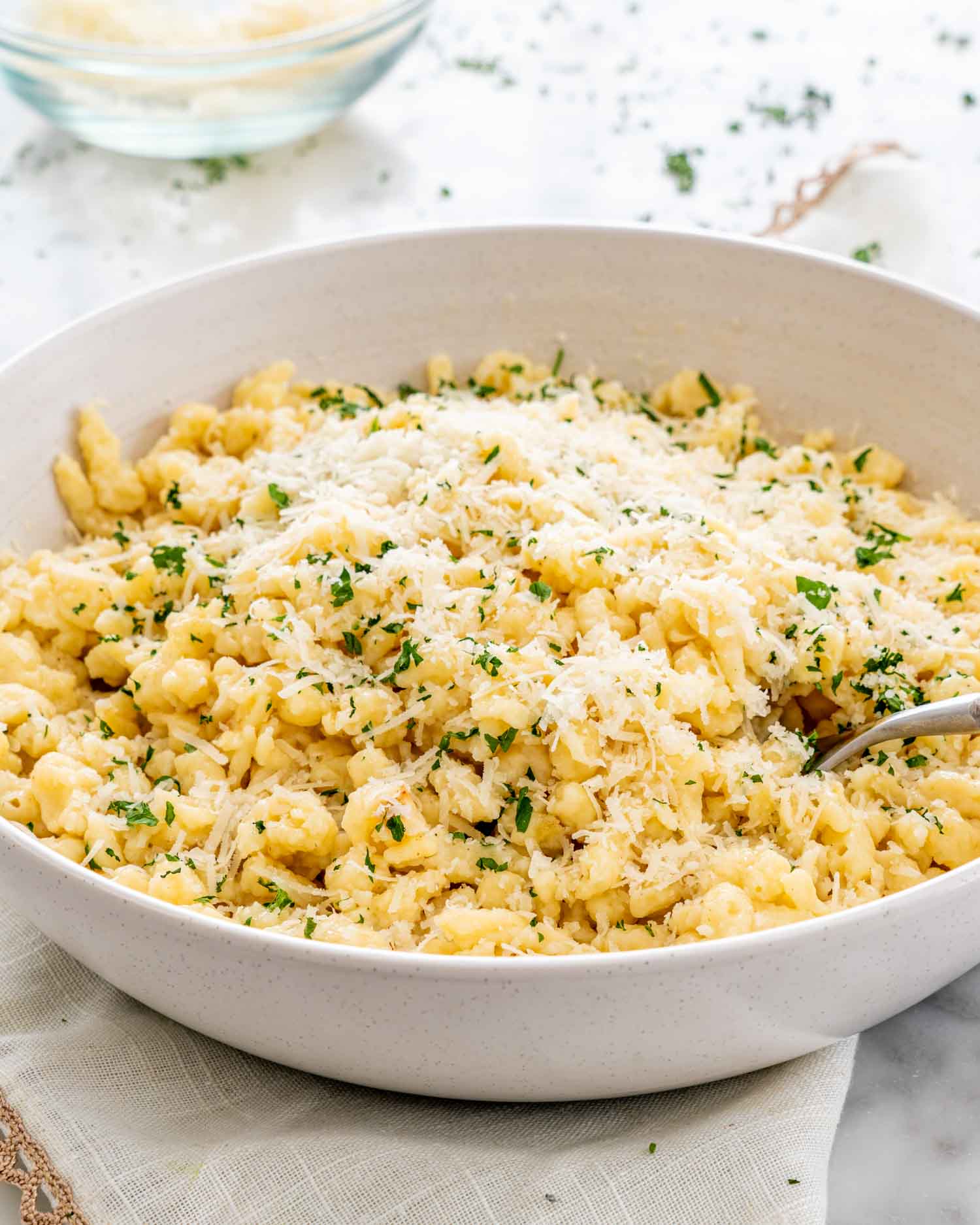
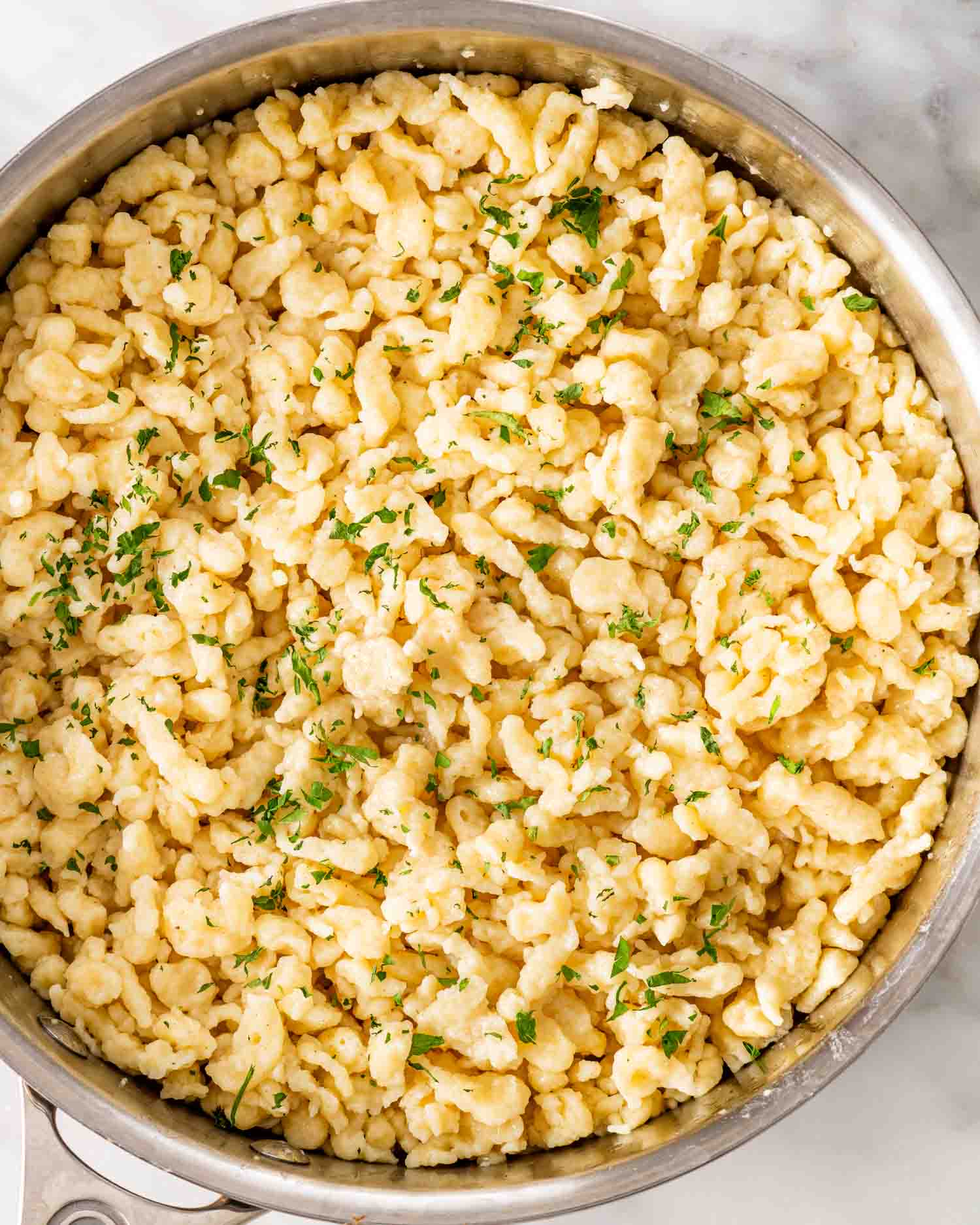
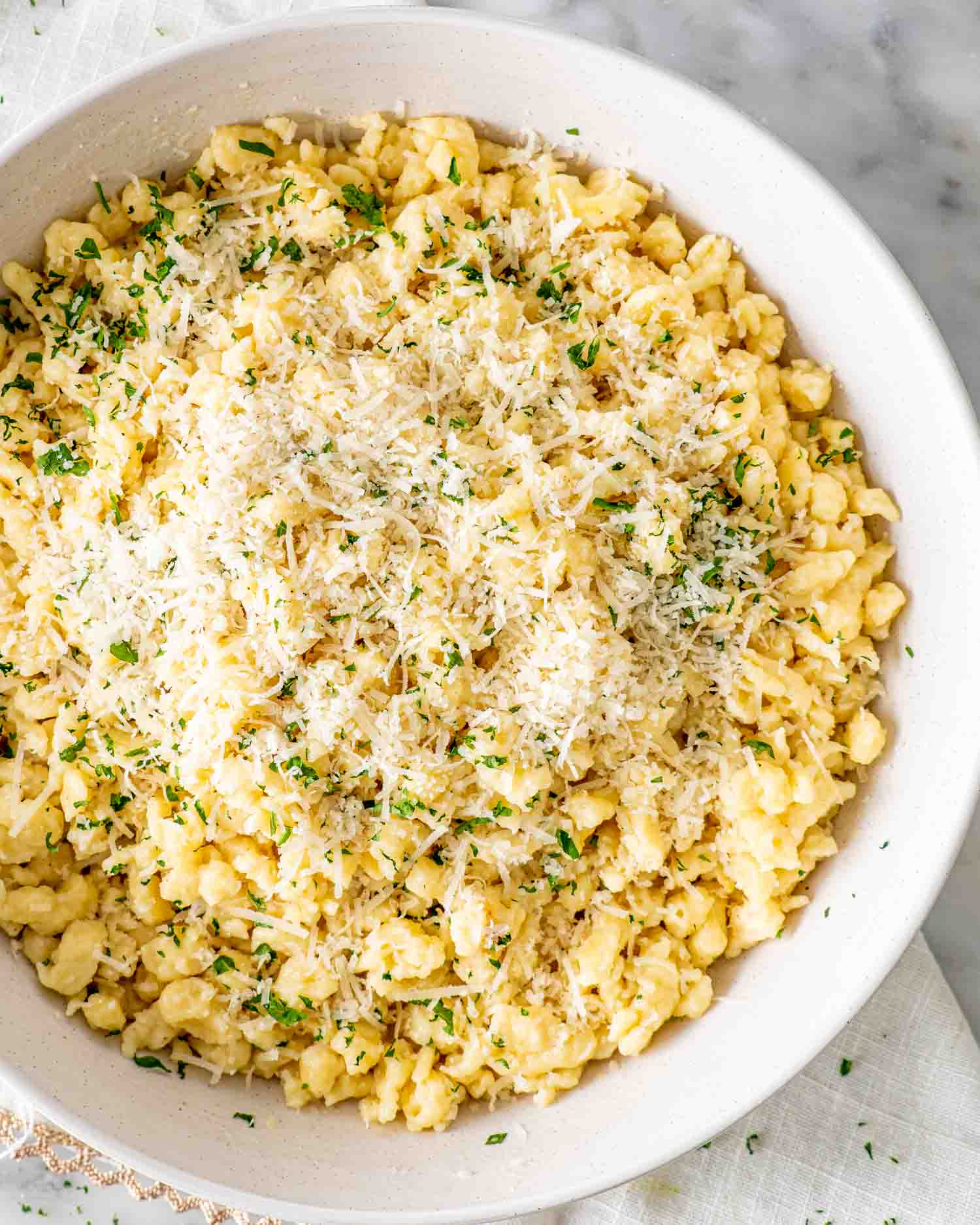
Spaetzle are soft little German egg noodles, scraped straight into boiling water and tossed in browned butter. They take 20 minutes start to finish, you need 5 ingredients, and you don’t need a single piece of special equipment to make them. They are, I’d argue, the easiest fresh pasta in the world.
Table of Contents
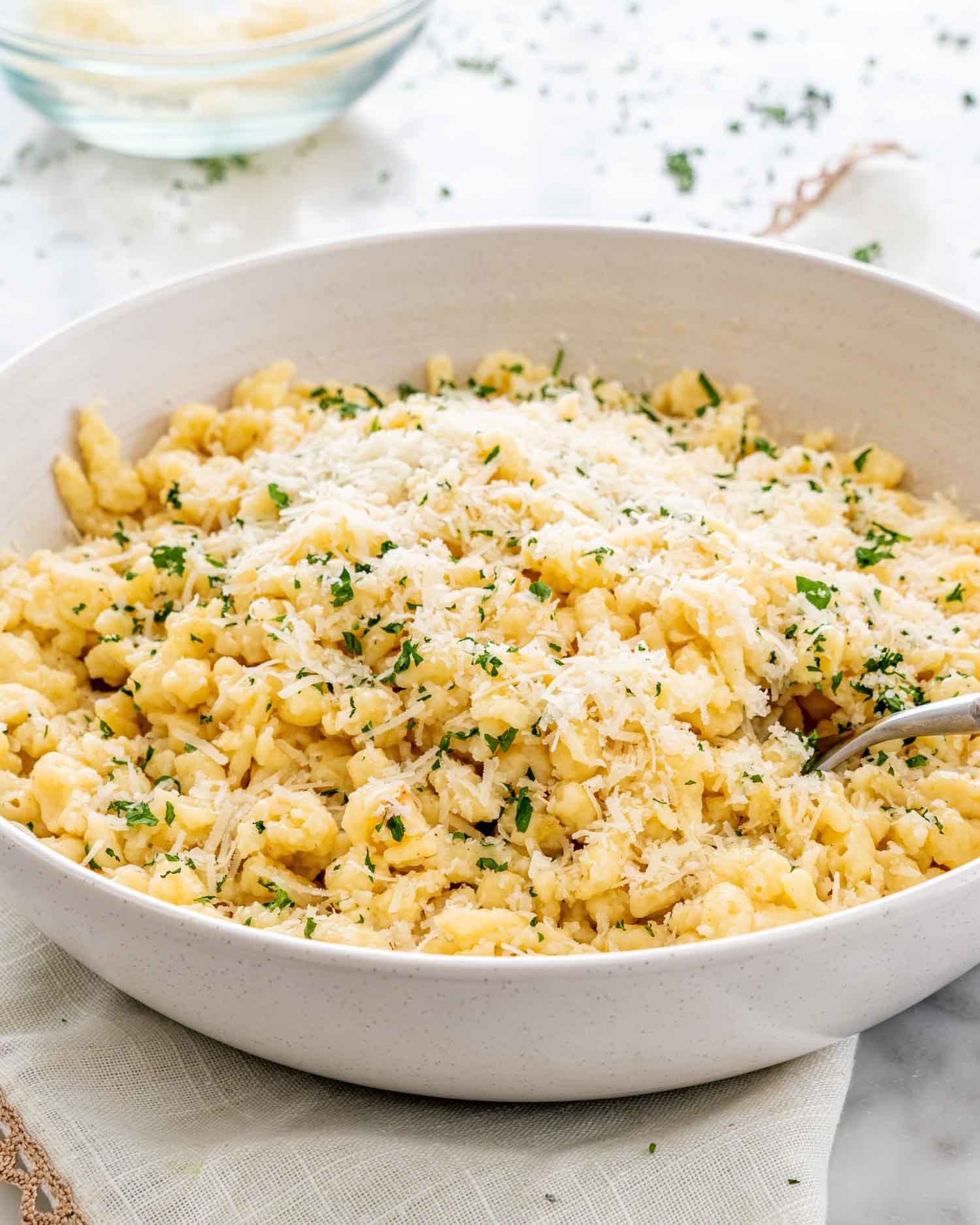
Fresh pasta usually comes with a whole production. Kneading, resting, rolling, a machine clamped to the counter, flour on every surface in the house.
Spaetzle skips all of that. You stir a thick batter together in one bowl, you push it through some holes into boiling water, and 2 minutes later you have fresh noodles. There’s no kneading, no rolling, no shaping, and no correct shape to fail at. They’re supposed to be irregular little blobs. Irregular is the entire aesthetic.
Mine has 6 eggs in it, which is more than most versions you’ll find, and it’s deliberate. More on that below, because it’s the difference between spaetzle that taste like something and spaetzle that taste like boiled flour.
They go with everything, they take minutes, and once you’ve made them once you’ll stop buying dried egg noodles entirely.
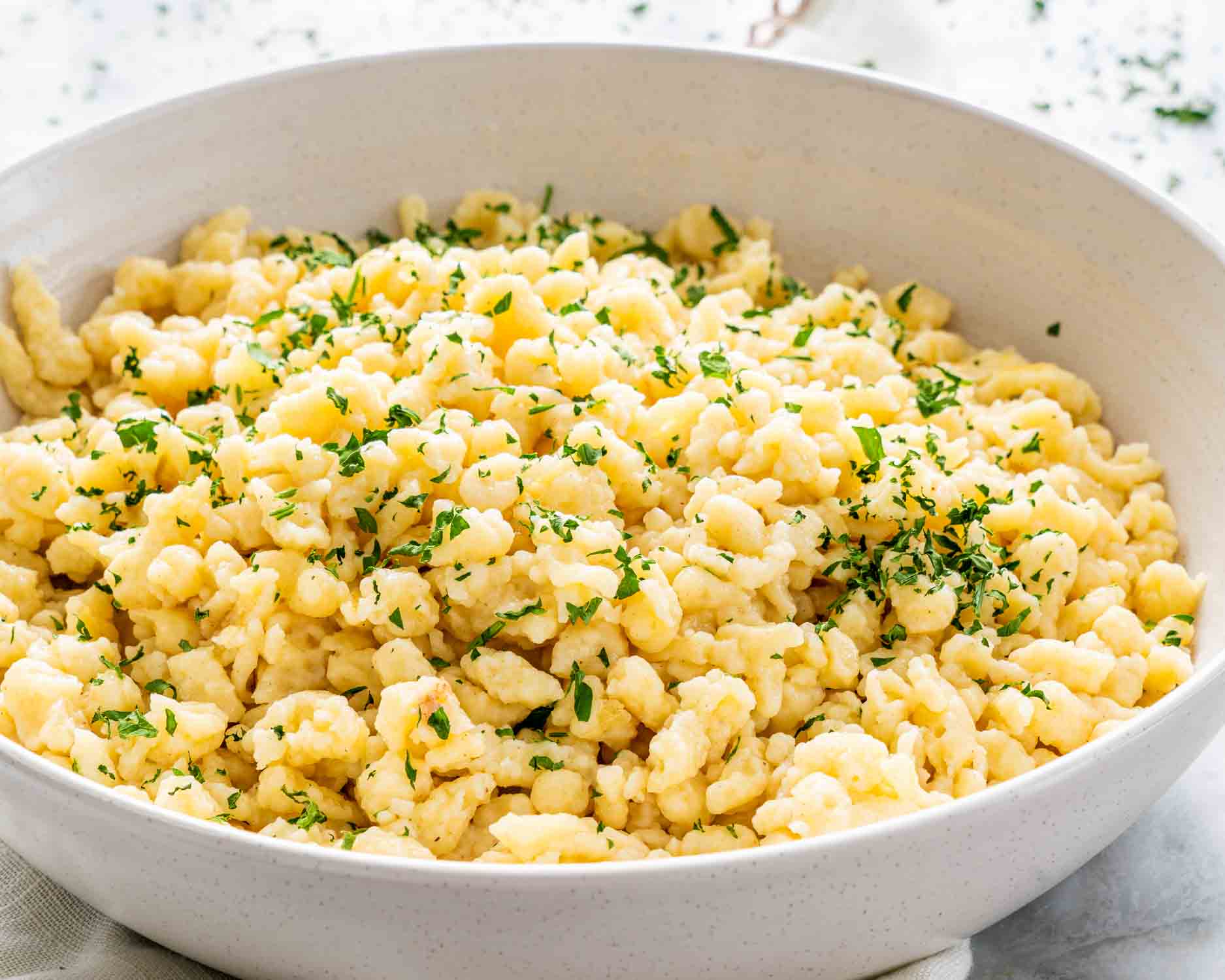
Spaetzle are German egg noodles, from Swabia in the southwest corner of Germany. You’ll also see them written as spätzle, with the umlaut, or spatzle without it. Same noodle, three spellings, and everyone will know what you mean.
They sit somewhere between a noodle and a dumpling. Soft, a bit chewy, slightly irregular, with a tender bite that dried pasta doesn’t have.
The usual explanation of the name is that it comes from Spatz, meaning sparrow, because the little scraped noodles are said to look like small birds. Whether anyone has genuinely looked at a bowl of spaetzle and thought of sparrows is a separate question, but it’s a lovely story and I’m keeping it.
Traditionally they were scraped off a wet wooden board straight into the pot, a few at a time, which takes practice and patience. We are not doing that. We’re using a colander.
No. And I want to be clear about that before you go buying anything.
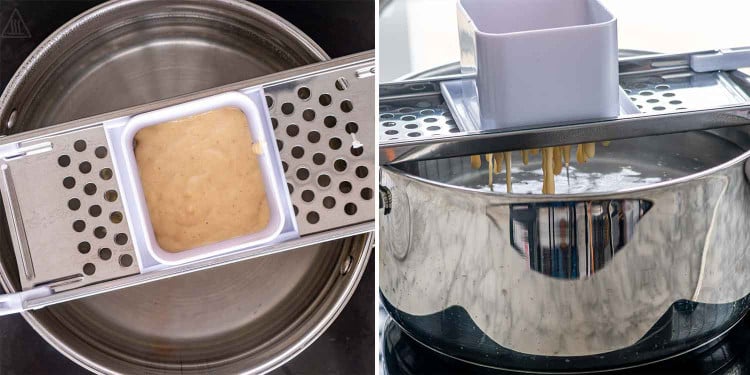
A spaetzle maker is a nice tool if you make these often. It’s essentially a grater plate with a sliding hopper, and it makes the job fast and tidy. Worth owning if spaetzle becomes a regular thing in your house.
But here’s what else works, and works well:
- A colander. The most reliable substitute. Use one with holes around ¼ inch, hold it over the pot, and push the batter through with a rubber spatula. This is what I reach for.
- A box grater. Turn it so the large holes face the water and push the batter across with a spatula or bench scraper.
- A potato ricer. Gives you longer, more uniform noodles. Very tidy.
- The traditional board. Spread batter on a wet cutting board and shave thin strips off the edge into the water with a wet knife. It takes real practice and you will make a mess the first time. Try it once for the experience.
Whatever you use, hold it a few inches above the water rather than right at the surface. Steam plus batter equals a sticky situation.
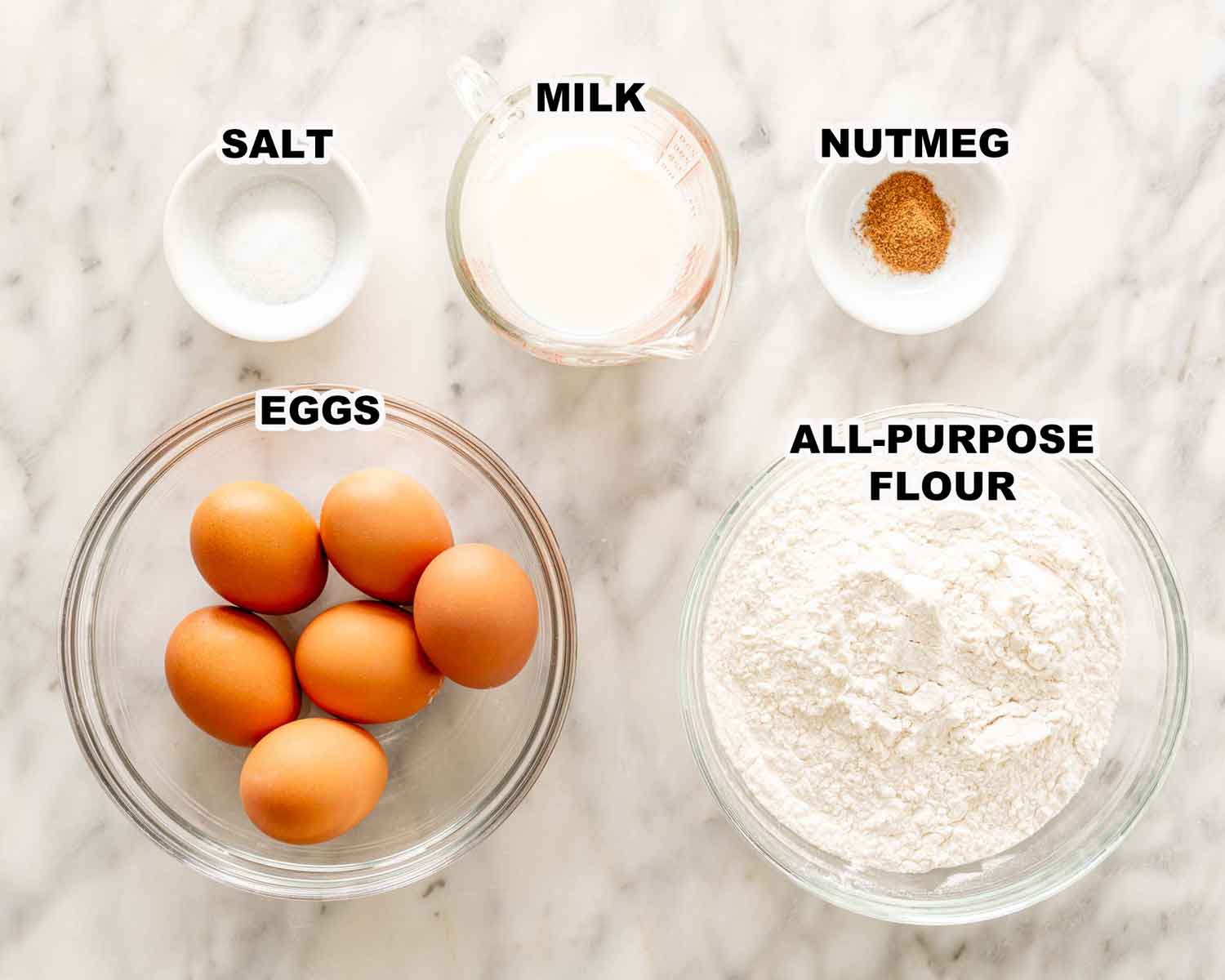
- All purpose flour (2 cups): No need for anything fancy. Plain flour is correct here.
- Eggs (6 large): Six, and yes I mean it. This is a properly Swabian ratio and it’s what makes them rich, golden and tender rather than pale and bland. A lot of recipes use 2 or 3 and the difference is enormous.
- Milk (⅓ cup): Just enough to loosen the batter into something that will actually go through the holes.
- Salt (½ teaspoon), plus more for the water: Half a teaspoon in the batter, and a good tablespoon in the cooking water. Like any pasta, they’re seasoned from the water as much as the dough.
- Nutmeg (½ teaspoon): Traditional, and not optional as far as I’m concerned. It’s warm and faintly sweet and it’s the flavor that makes spaetzle taste German. Freshly grated if you have a whole nutmeg.
- Butter (3 to 4 tablespoons): For tossing at the end. Let it go past melted to lightly golden and nutty before the noodles go in. This step takes 2 minutes and does more for the final dish than anything else.
- Fresh parsley: Chopped, for finishing. Freshness and color against all that butter.
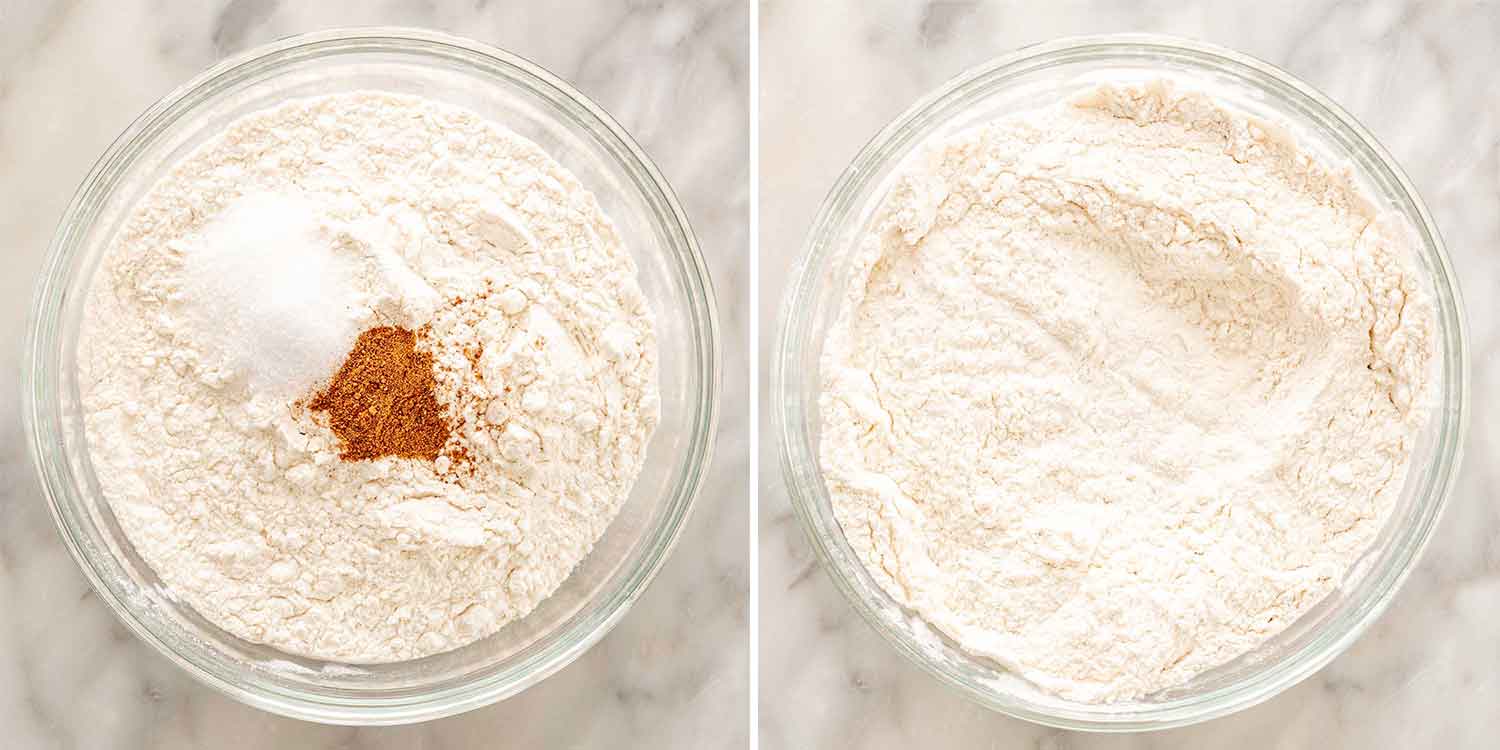
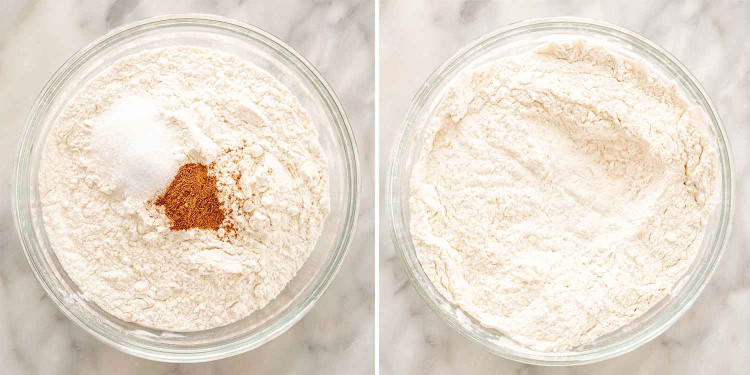
Mix the dry: Whisk the 2 cups flour, ½ teaspoon salt and ½ teaspoon nutmeg together in a large bowl.
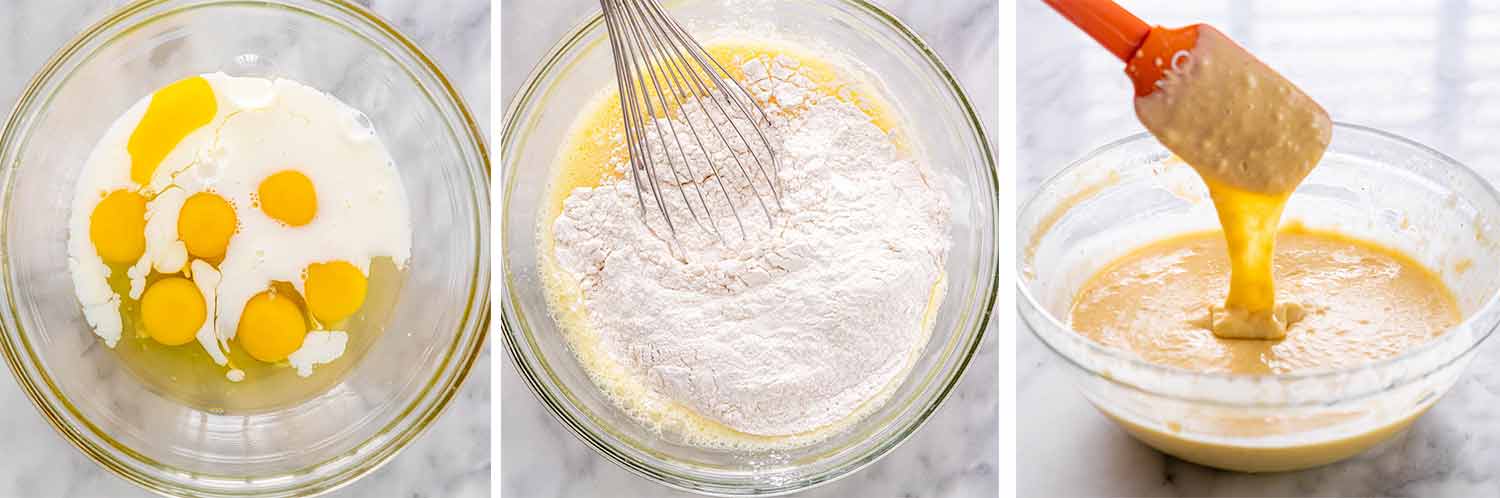
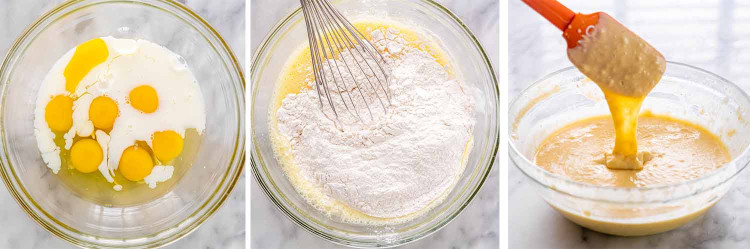
Beat the wet: In another bowl, whisk the 6 eggs with the ⅓ cup milk until well combined and a bit frothy.
Bring them together: Pour the egg mixture into the flour and stir until you have a thick, smooth, sticky batter. It should be thicker than pancake batter and looser than dough. Beat it for a minute or so once it comes together, which develops just enough structure to hold the noodles.
Let it rest: 5 to 10 minutes. The flour hydrates, the batter relaxes, and everything behaves better afterward. Use the time to get the water going.
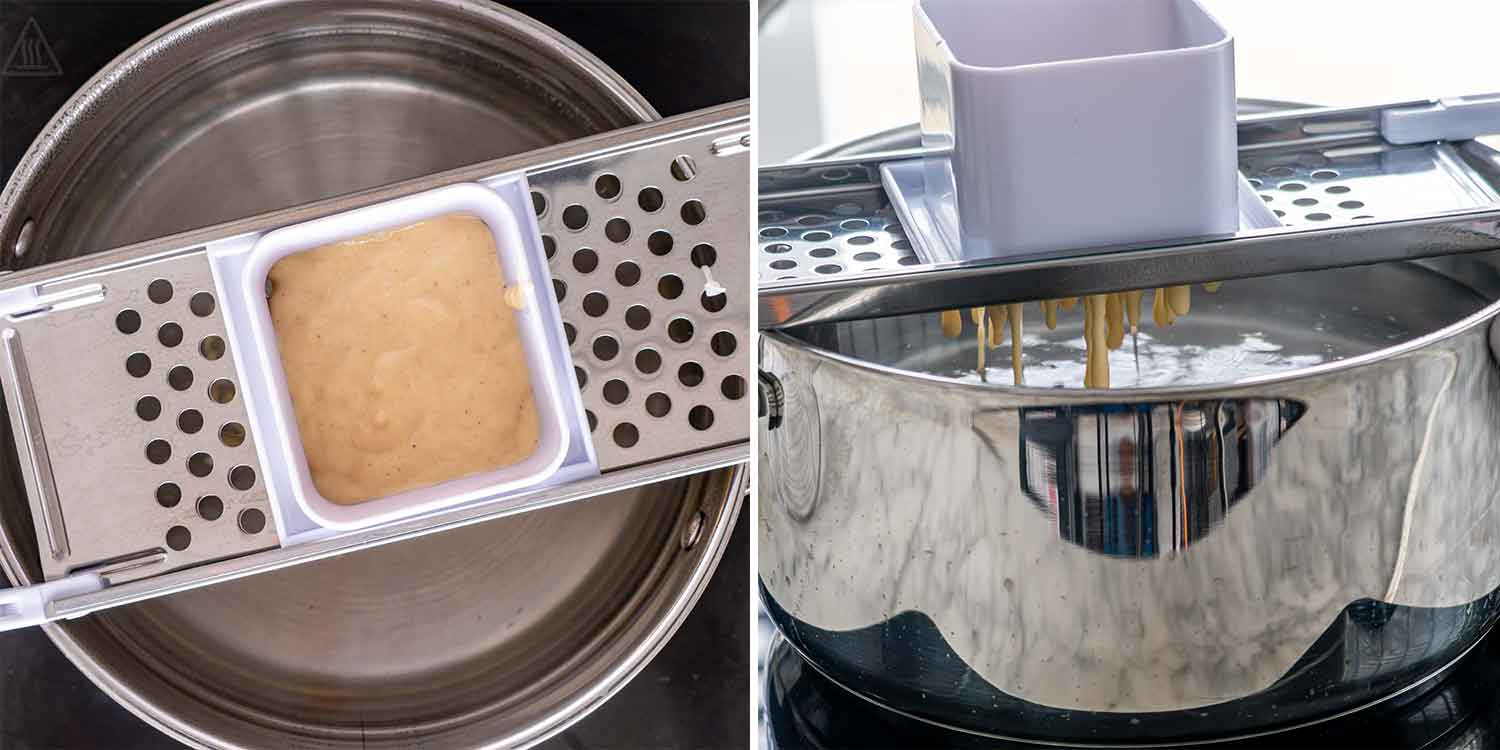
Boil the water: A big pot, well salted, at a rolling boil. Have a bowl of cold water and a slotted spoon standing by.
Press them through: Hold your colander a few inches above the pot and push the batter through with a rubber spatula. Work in batches so the pot doesn’t get crowded, because crowded noodles stick together.
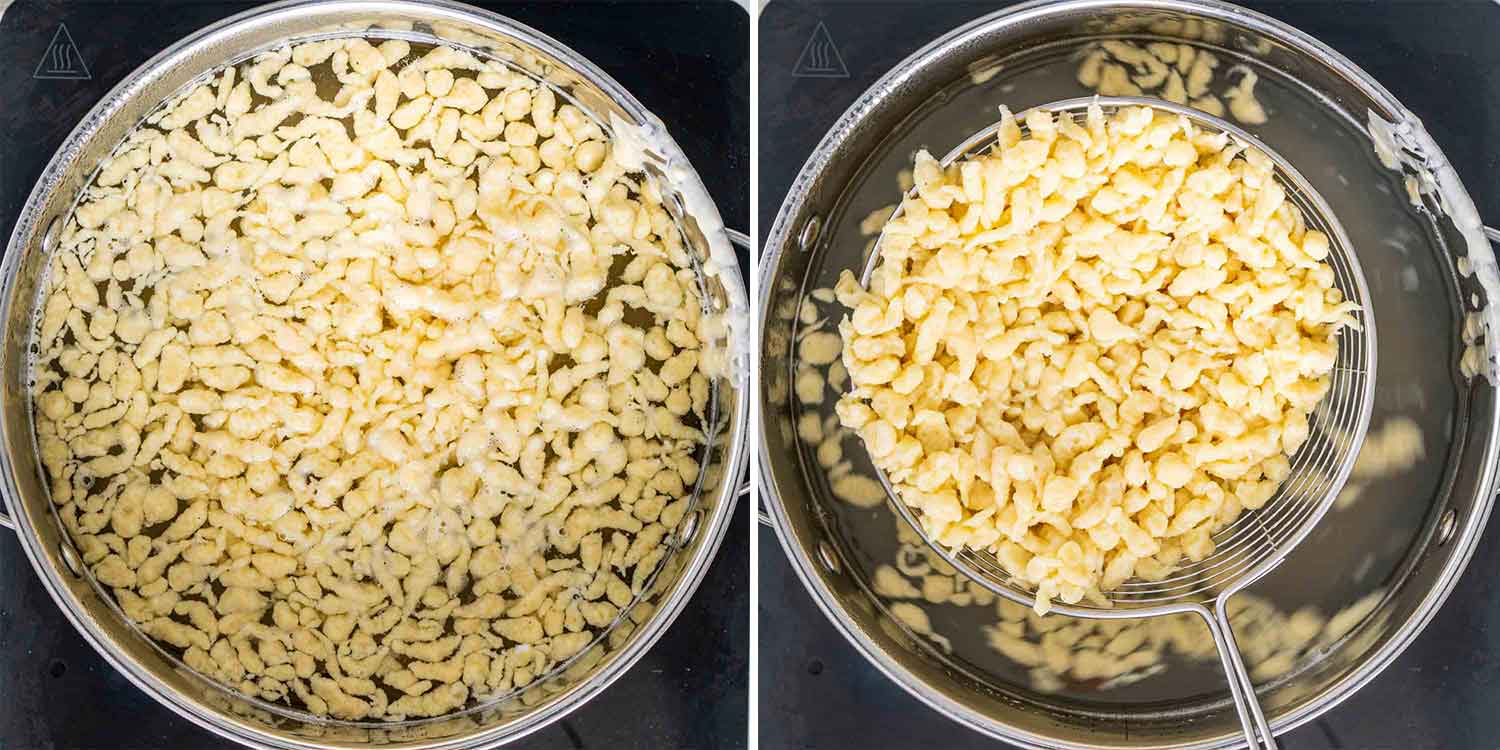
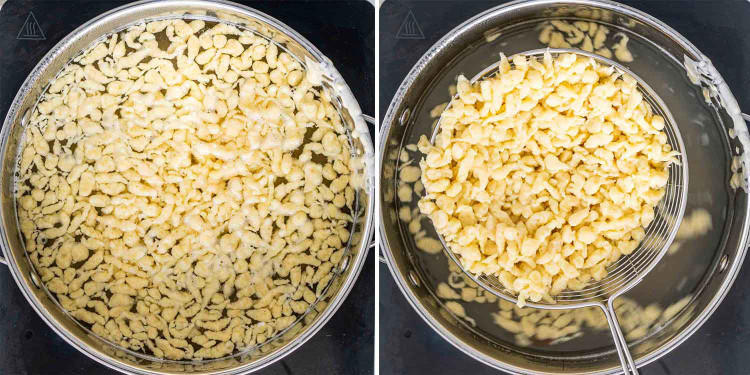
Watch for them to float: They cook fast, usually under 2 minutes. When they bob up to the surface they’re done. Lift them out with a slotted spoon.
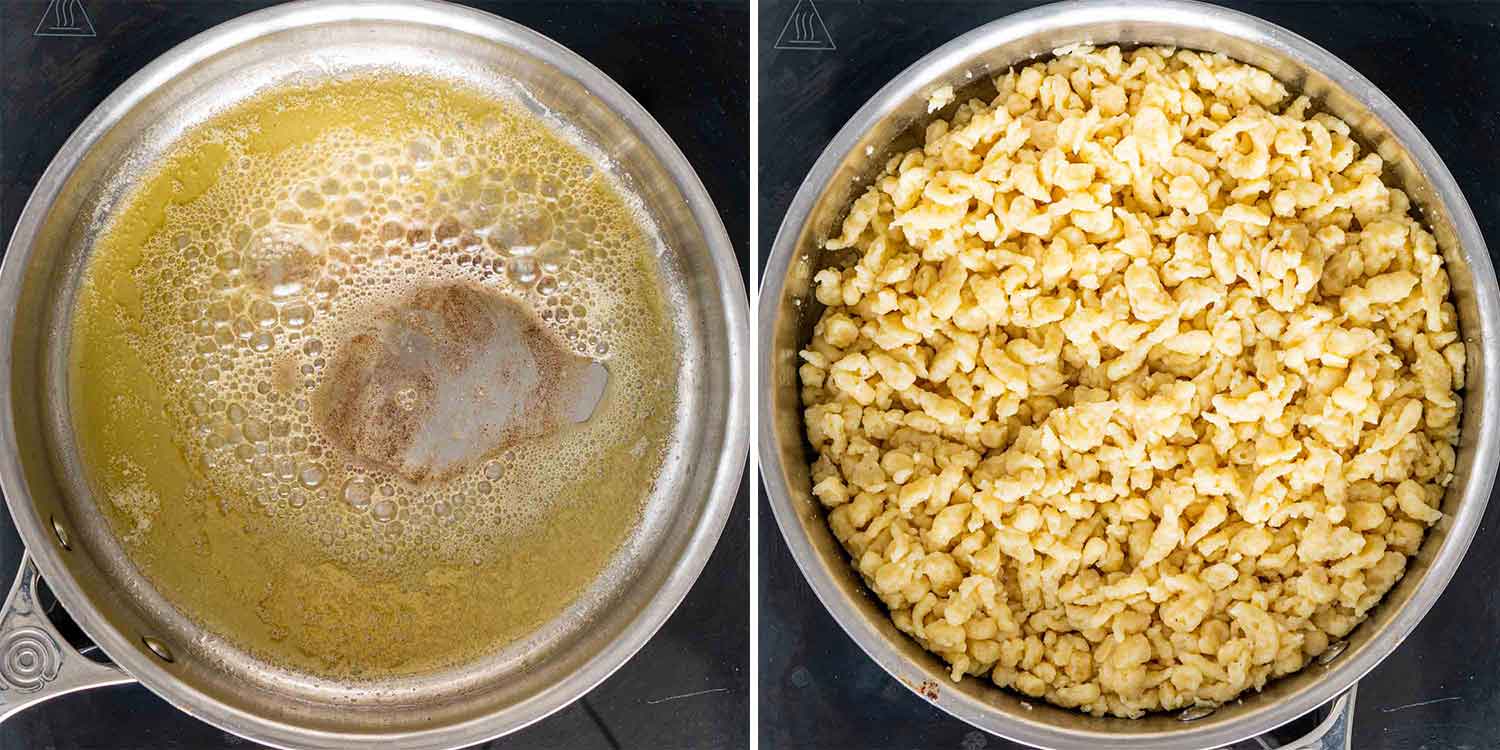
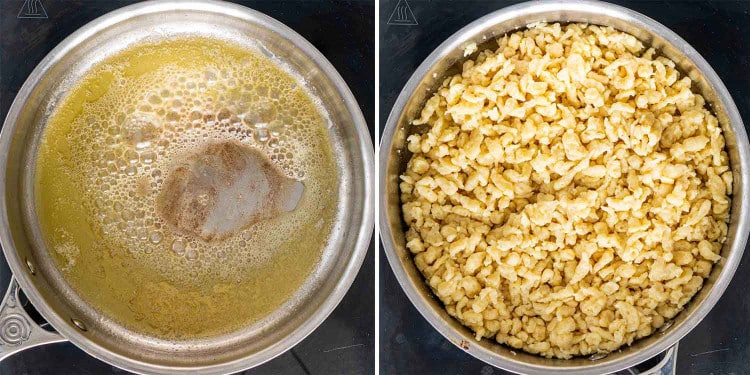
Brown the butter: Melt the butter in a large skillet over medium heat and let it go until it smells nutty and turns golden. Don’t rush it and don’t walk away.
Toss and finish: Add the drained spaetzle to the butter and toss for 2 to 3 minutes until they’ve taken on a bit of color at the edges. Scatter with parsley and serve hot.
This is the only part that takes any judgment at all, so here’s how to read it.
Too thick and it won’t go through the holes. You’ll be standing there pressing hard on a spatula and getting nowhere. Add milk a tablespoon at a time until it moves.
Too thin and it drips straight through into a cloudy mess and you get shreds instead of noodles. Add flour a tablespoon at a time.
Just right means the batter falls off a raised spoon in a thick ribbon that breaks after a second or two. It should look sticky and slightly stretchy, and it should hold a soft peak for a moment before slumping.
Flour and eggs vary, so don’t be surprised if you need a small adjustment. Test with a spoonful before committing the whole batch, the same way you’d test a pancake.
If you make spaetzle once, make this the second time.
Käsespätzle is spaetzle layered with grated cheese and baked until it’s melted and bubbling, then buried under fried onions. It’s the Alpine answer to macaroni and cheese and it’s every bit as good as that sounds.
Layer the cooked spaetzle in a buttered dish with grated Emmentaler, Gruyere or a sharp Swiss, alternating noodles and cheese and ending with cheese. Bake at 375°F for 15 to 20 minutes until it’s melted and starting to brown at the edges.
While that happens, cook a sliced onion slowly in butter until it’s deep golden and crisp at the edges. Pile it over the top just before serving.
It’s rich enough to be dinner on its own with a sharp green salad beside it.
- Rest the batter. It only takes 5 minutes and it makes the batter far easier to work with.
- Salt the water properly. A tablespoon. The noodles pick up seasoning from it and they taste flat without it.
- Work in batches. A crowded pot drops the temperature and the noodles clump.
- Cold water stops the cooking if you’re making a big batch. Lift them into cold water, then drain well before they hit the butter.
- Let the butter brown. Melted butter is fine. Browned butter is the reason people ask for the recipe.
- They keep going in the pan. Toss them a bit longer for crisp golden edges, which is my preference.
Herb spaetzle: Stir 2 tablespoons of finely chopped chives, parsley or dill into the batter. Pretty and fresh tasting.
Spinach spaetzle: Blend a handful of cooked spinach into the eggs before mixing. Bright green and popular with children who have opinions about vegetables.
Bacon and onion: Crisp up bacon, cook a sliced onion in the fat, then toss the spaetzle through both. A Swabian classic and a full meal.
Extra crispy: Skip the gentle toss and let them sit undisturbed in the hot butter for a couple of minutes so one side properly crisps up.
What To Serve With Spaetzle
Spaetzle is a side dish by nature and its whole job is soaking up sauce. Which means anything with gravy.
Beyond the German table, they work anywhere buttered noodles would: beef stroganoff, goulash, pot roast, beef tips in gravy, or a pan sauce from whatever you just cooked. Honestly they’re also excellent on their own in a bowl with butter and pepper, eaten standing at the counter.
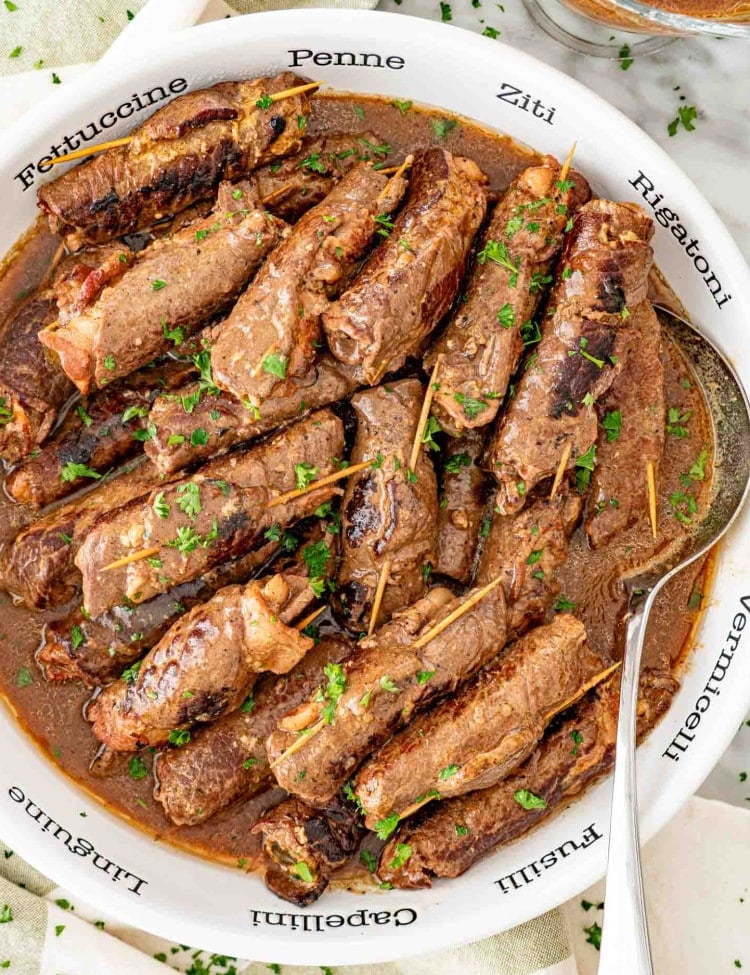
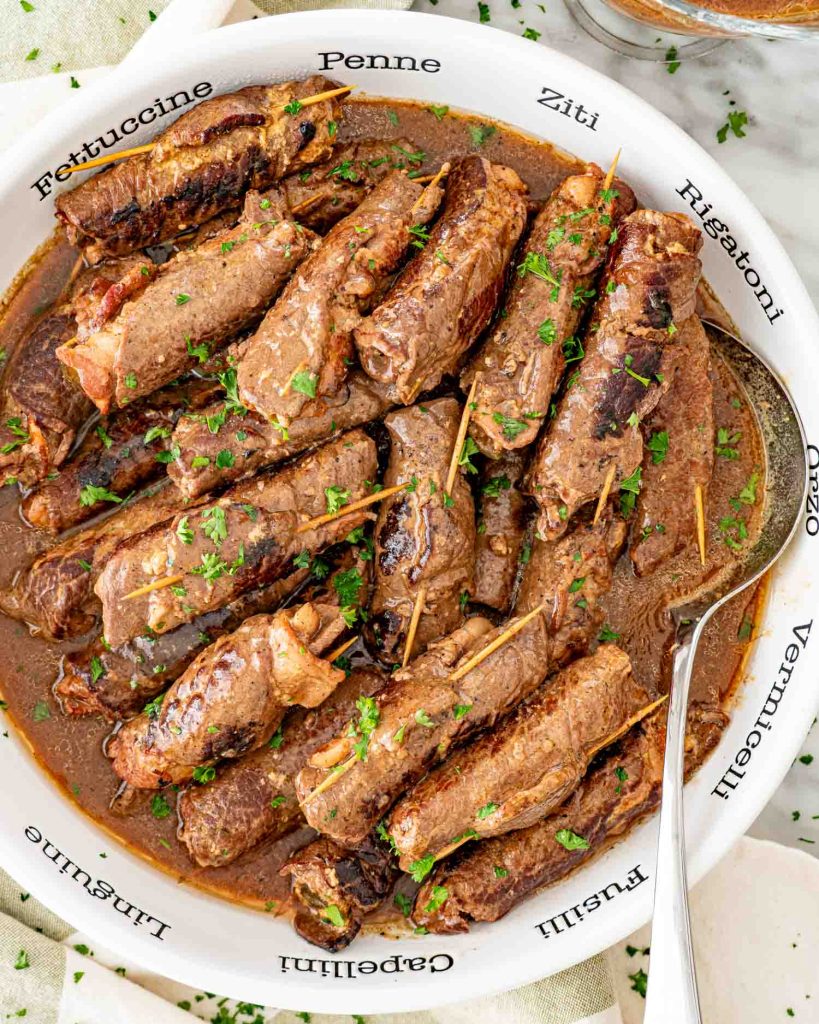
German Beef Rouladen
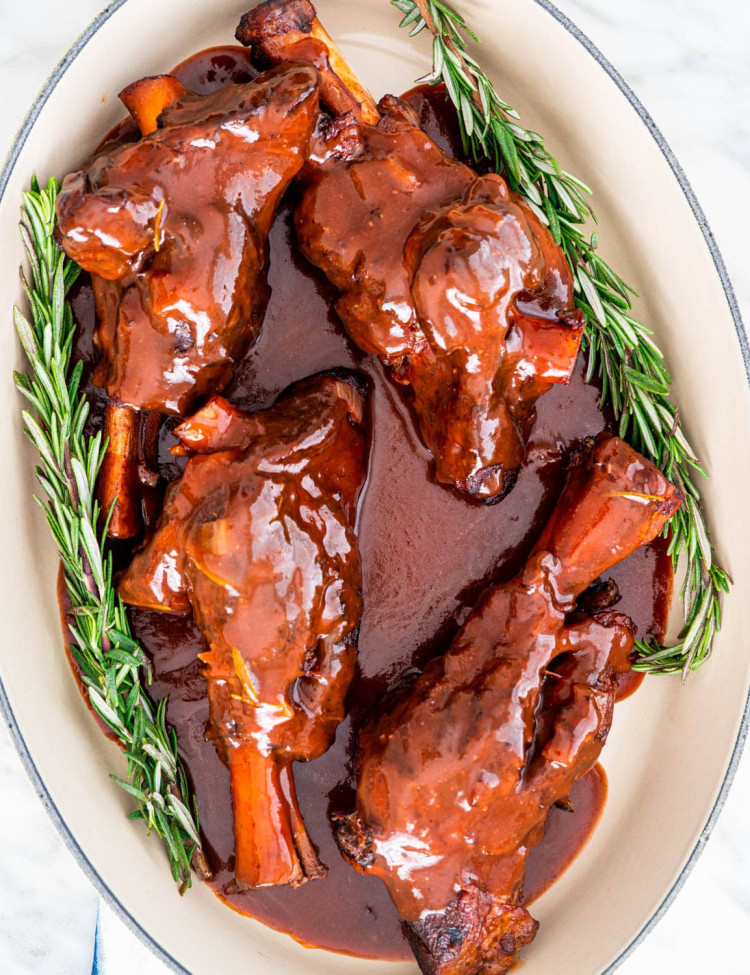
Braised Lamb Shanks
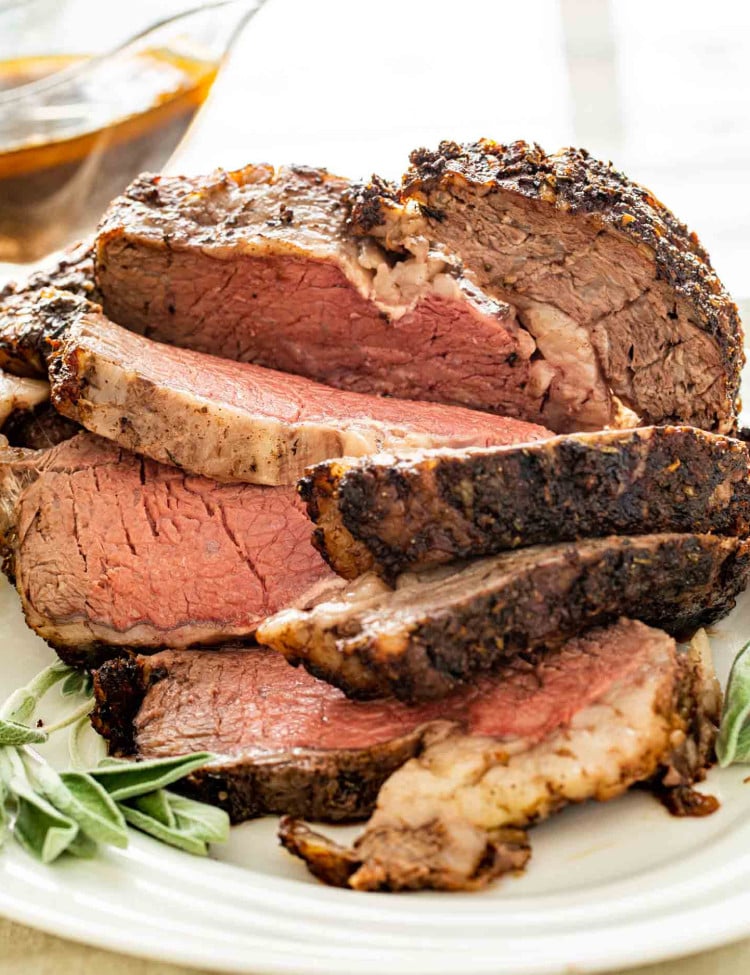
Prime Rib Roast
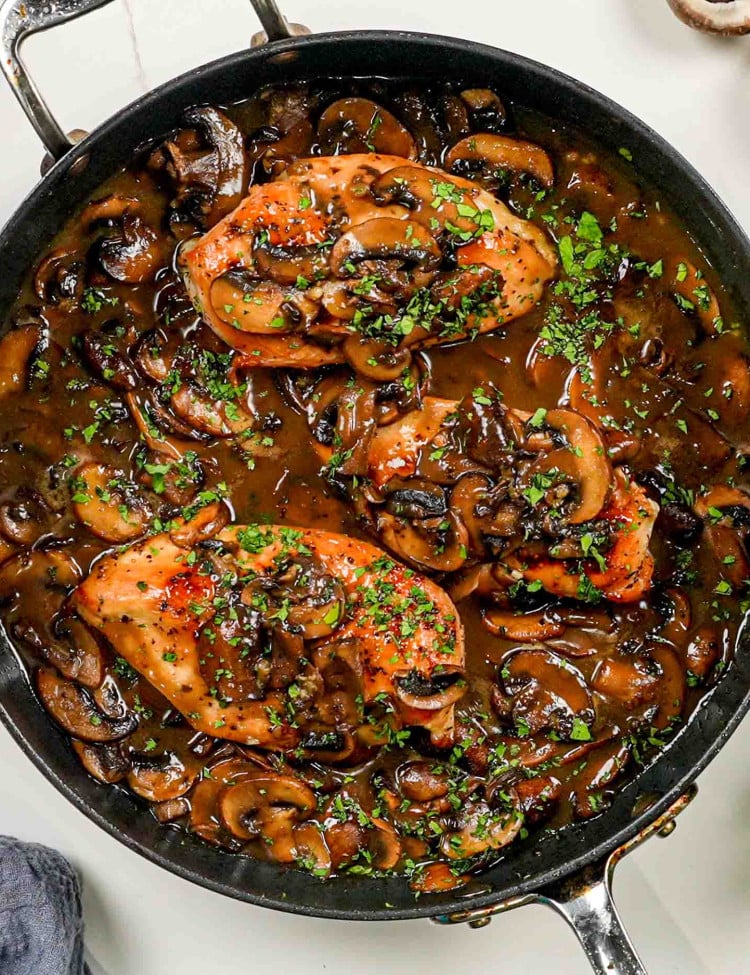
Chicken Madeira
Cooked spaetzle keeps in an airtight container in the fridge for 3 days. Toss them with a little butter or oil before they go in so they don’t fuse into one lump.
To reheat, straight into a buttered skillet over medium heat for a few minutes. They come back beautifully and the edges get even better. Skip the microwave, which makes them rubbery.
They freeze well for up to 3 months. Cool them completely, spread them on a tray to freeze solid, then bag them. Cook from frozen straight into the buttered pan, adding a couple of minutes.
The batter itself doesn’t keep especially well, so make it when you’re ready to cook.
Before You Begin! If you make this, please leave a review and rating letting us know how you liked this recipe! This helps our business thrive & continue providing free recipes.
Soft German egg noodles made from 5 pantry ingredients in about 20 minutes, then tossed in browned butter. No spaetzle maker required, a colander does the job. Rich and golden thanks to a properly Swabian 6 egg batter.
- 2 cups all-purpose flour
- ½ teaspoon salt (plus 1 tablespoon for the cooking water)
- ½ teaspoon ground nutmeg
- 6 large eggs
- ⅓ cup milk
- 3 to 4 tablespoons butter
- fresh parsley (chopped, for serving)
Before You Begin! If you make this, please leave a review and rating letting us know how you liked this recipe! This helps our business thrive & continue providing free recipes.
-
In a large bowl, whisk together the 2 cups flour, ½ teaspoon salt and ½ teaspoon nutmeg. In a separate bowl, whisk the 6 eggs with the ⅓ cup milk until well combined.
-
Pour the egg mixture into the flour and stir until you have a thick, smooth, sticky batter. Beat for about 1 minute, then rest 5 to 10 minutes.
-
Bring a large pot of water to a rolling boil and add 1 tablespoon salt. Hold a colander a few inches above the pot and press the batter through with a rubber spatula, working in batches.
-
Cook until the spaetzle float to the surface, usually under 2 minutes. Remove with a slotted spoon.
-
Melt the 3 to 4 tablespoons butter in a large skillet over medium heat and cook until golden and nutty smelling. Add the spaetzle and toss 2 to 3 minutes, until lightly golden at the edges. Finish with chopped parsley and serve hot.
- No spaetzle maker needed. A colander with ¼ inch holes, a box grater or a potato ricer all work.
- Batter too thick to press through: add milk 1 tablespoon at a time. Too thin and shredding: add flour 1 tablespoon at a time. It should fall from a spoon in a thick ribbon that breaks after a second.
- Work in batches so the pot doesn’t get crowded and the noodles don’t clump.
- Let the butter brown rather than just melt. It’s the difference between good and very good.
- For käsespätzle, layer the cooked spaetzle in a buttered dish with grated Emmentaler or Gruyere, bake at 375°F for 15 to 20 minutes, and top with onions cooked slowly in butter until deep golden.
- Store cooked spaetzle tossed with a little butter for up to 3 days in the fridge, or freeze up to 3 months. Reheat in a buttered skillet, not the microwave.
Serving: 1servingCalories: 281kcal (14%)Carbohydrates: 33g (11%)Protein: 11g (22%)Fat: 11g (17%)Saturated Fat: 5g (31%)Polyunsaturated Fat: 1gMonounsaturated Fat: 3gTrans Fat: 0.3gCholesterol: 202mg (67%)Sodium: 273mg (12%)Potassium: 134mg (4%)Fiber: 1g (4%)Sugar: 1g (1%)Vitamin A: 458IU (9%)Vitamin C: 0.03mgCalcium: 52mg (5%)Iron: 3mg (17%)
Notice: Nutrition is auto-calculated for your convenience. Where relevant, we recommend using your own nutrition calculations.
Frequently Asked Questions
What is spaetzle?
Do I need a spaetzle maker?
How do I know when they’re cooked?
My batter won’t go through the colander. What now?
Can I make spaetzle without eggs?
Why 6 eggs?
Can I make them ahead?
What’s käsespätzle?