So, here are business models that are proven to drive coffee shop revenue.
Speed sells. That’s the entire thesis behind the drive-thru model, and it’s why this format has exploded in popularity over the past several years. By stripping out the lounge seating and the lingering customers, operators dramatically cut down on square footage, furniture, and the staff needed to maintain a sit-down atmosphere.
What makes this business plan work isn’t just the lack of chairs, though. It’s the systems behind it. A tight POS system paired with a mobile ordering app keeps lines moving and orders accurate, which matters enormously when your entire customer base is commuters who have exactly four minutes before they need to merge back onto the highway.
A loyalty program tied into that same app turns one-time drive-bys into daily regulars, and that level of customer service are where the real revenue lives. Startup costs for this format can run lower than a full cafe build-out, since you’re not investing in ambiance so much as throughput.
Some of the most resilient coffee businesses out there barely look like a traditional coffee shop at all. The coffee roaster model shifts the focus away from the retail counter and toward the back of house, where beans get roasted in volume and shipped out to restaurants, grocery stores, and smaller cafes that don’t have the equipment or expertise to roast their own.
A coffee shop like captaincurts.com shows how this can work even alongside a retail storefront, since pairing a roasting operation with a recognizable shop front gives customers a face to put with the beans they’re buying in bulk.
Once you’ve nailed your roasting profile, the revenue streams start to diversify on their own. Wholesale contracts bring in predictable, recurring income that isn’t tied to foot traffic or weather.
Layer an e-commerce subscription on top, where customers get a fresh bag of beans delivered monthly, and you’ve built a coffee business with revenue that flows in even when nobody walks through your front door.

This is the model for owners who get a little restless with just pulling shots all day. Instead of relying solely on walk-in customers, the cafe becomes a hub for multiple income streams. Weekend corporate catering, private events after closing hours, and even barista training classes can all run through the same physical space without requiring a second lease.
The appeal here is efficiency. Your espresso machines, grinders, and brewing equipment are already paid for and sitting there during off-hours anyway, so why not put them to work?
Selling private-label beans, branded merchandise, and home brewing equipment at the counter adds another layer on top, turning casual customers into brand advocates who keep buying long after they’ve left the shop.
It does require a sharper marketing strategy and more attention to your target customer than a simple retail counter, but the payoff in average ticket size is usually worth the extra planning.
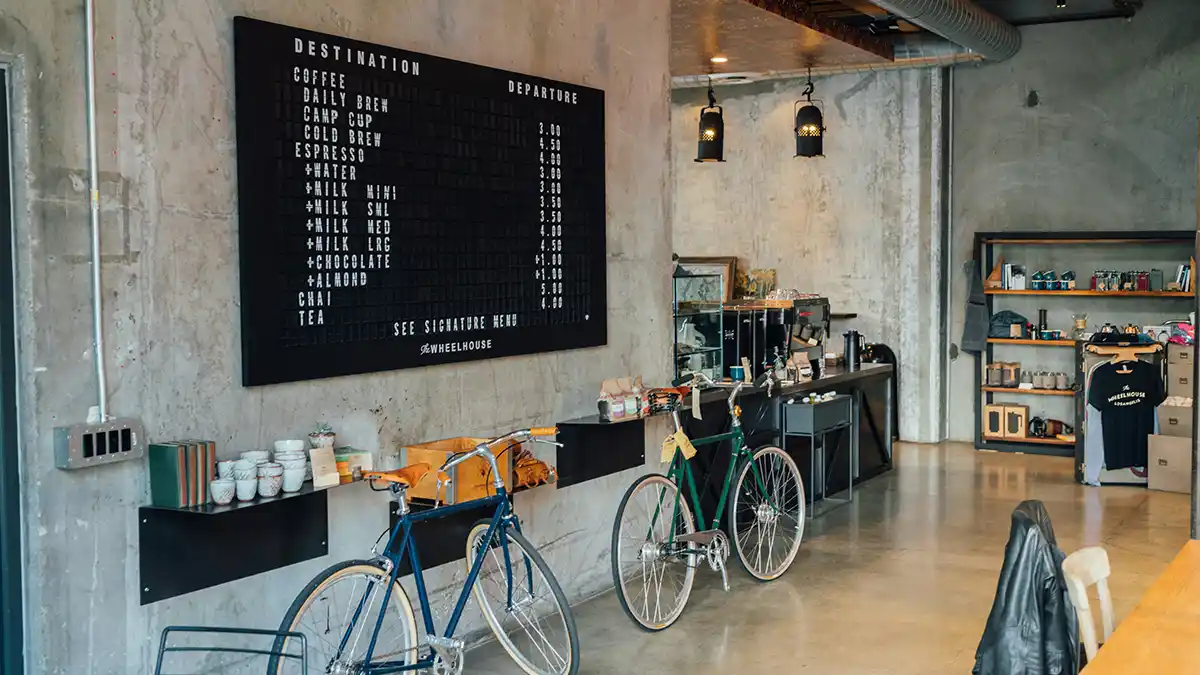
Pairing a coffee shop with an entirely different business, like a bookstore, a coworking space, or a boutique, is one of the more clever ways to control costs while expanding reach. The coffee shop concept here isn’t standalone. It’s woven into something customers were already inclined to visit, which means you’re not starting from zero in terms of foot traffic.
Shared real estate and shared labor are the obvious wins, but the less obvious benefit is dwell time. A customer browsing books or working from a shared desk is far more likely to order a second drink or a pastry than someone who’s just grabbing coffee on the way to work.
That extended customer experience translates directly into a higher spend per visit, which shows up nicely on the income statement even if your overall transaction count stays flat.
No matter which model you land on, there are tactics that boost revenue at the point of sale itself. Placing high-margin pastries and grab-and-go food near the register catches customers who weren’t planning to spend more but will if the option is right in front of them.
Standardized recipe cards using frothing pitchers and espresso tampers measured consistently keep your milk drinks profitable across every size, instead of accidentally giving away margin on the large cups. And sourcing paper goods and filters directly from suppliers, rather than through a middleman, trims overhead in a way that adds up significantly over a full year.
None of these models is inherently better than the others, but understanding all the options on the table is the first step toward building a coffee business that doesn’t just survive, but genuinely scales.