The traditional concession model—built around hot dogs, popcorn, pretzels and beer—is giving way to a broader hospitality strategy. New venues are incorporating local restaurants, regional specialties, premium clubs, chef-driven menus, checkout-free markets and flexible event spaces capable of operating throughout the year.
For Legends Global Executive at the new stadium, Chef Nicholas Karoly, that responsibility begins with one of Western New York’s most fiercely protected culinary traditions: Buffalo wings. “In Buffalo, wings mean something more to the population. We want to be part of that conversation,” Karoly said. Karoly arrived in Buffalo after serving as executive sous chef at Yankee Stadium. His background also includes experience in New York City restaurants and steakhouses, along with a foundation in butchery and premium dining.
At Highmark Stadium, he oversees the entire culinary program, including general concessions, catering, clubs and suites.
Before finalizing the stadium’s wing recipe, Karoly visited a half-dozen Buffalo-area wing destinations to study their sauces, bleu cheese, preparation methods and cooking times. He then experimented with peppers, butter, vinegars and sauce bases to create a version worthy of being served to Bills fans.
Karoly added that the same attention to quality would extend across the stadium’s concessions and premium hospitality spaces. “Our goal is to bring restaurant-level thought and execution to an environment that must also serve thousands of guests quickly.”

That balance is becoming increasingly important throughout the sports and entertainment industry. Fans now arrive at stadiums expecting the convenience of modern retail, the quality of a favorite restaurant and the emotional connection of a neighborhood gathering place.
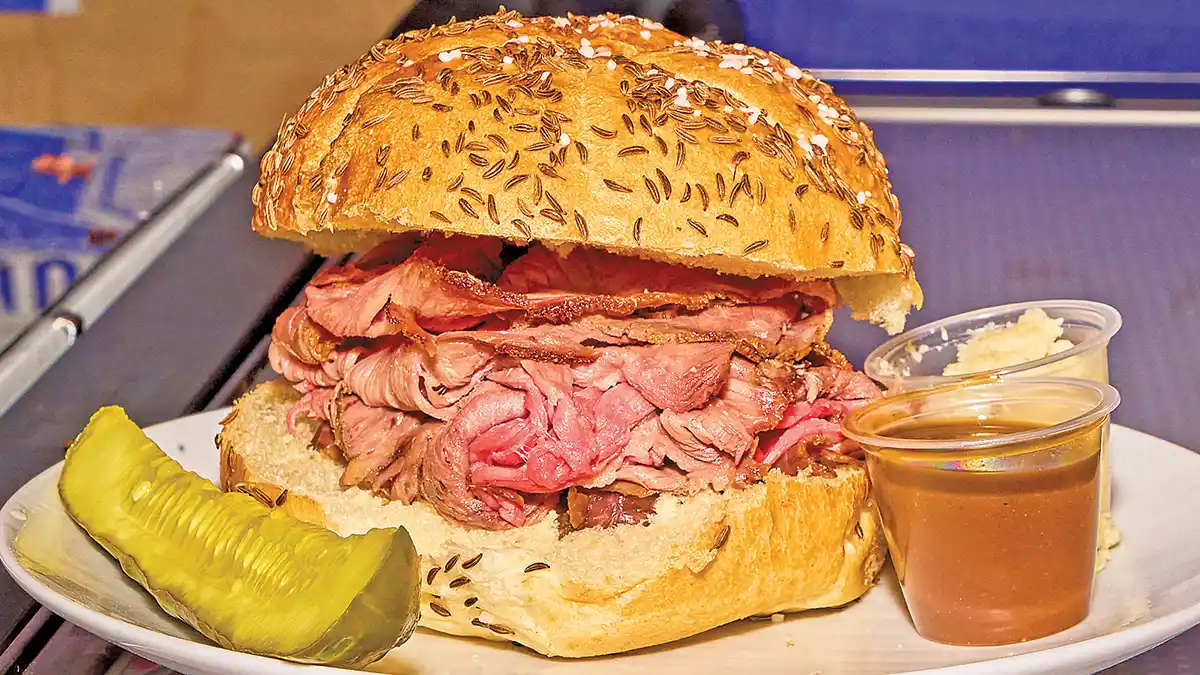
At Highmark Stadium, that connection is built around a hyperlocal menu celebrating Western New York. In addition to wings, fans can find regional favorites such as pizza, The Royal sub and The Stinger, a combination of a cheesesteak and chicken fingers.
The menu is especially meaningful for former Buffalo residents who return for Bills games. A weekend trip may not leave enough time to revisit every favorite restaurant or neighborhood food destination. By bringing many of those flavors into the stadium, the Bills and Legends can offer fans a concentrated taste of home. Karoly noted that the approach was about “really, just bringing all the good parts of Buffalo in here.”
The local strategy also includes culinary partnerships capable of attracting attention beyond the region. One of the stadium’s featured offerings is Rizzo’s Chicken Parm Sandwich, created through a partnership with celebrity chef, restaurateur and television personality Matty Matheson and his Ontario restaurant, Rizzo’s House of Parm. The sandwich features a breaded chicken cutlet, pomodoro sauce, mozzarella, Parmesan, roasted peppers and garlic-Parmesan dressing on a Portuguese roll. It is scheduled to be offered in multiple locations throughout the stadium.
Technology provides another important piece of the hospitality strategy. Highmark Stadium features 14 AiFi checkout-free markets in its general-admission areas, including 11 beer lanes. The markets are designed to reduce traditional checkout bottlenecks and help fans return to their seats faster. Three of those markets have walk-through formats offering hot food from a kitchen on one side and refrigerated beverages on the other. Some refrigeration cases can be stocked from the back while also serving a second, concourse-facing market.

“The combination of culinary preparation and retail technology can help our operation manage heavy demand without sacrificing variety. “For operators of modern stadiums and arenas, speed is no longer separate from hospitality. Eliminating friction is part of providing better service.
The beverage program reflects that same thinking. Specialty cocktails are available in areas where they were not previously offered, while hot chocolate is served on tap using syrup rather than powder. The system allows the culinary team to respond quickly to unpredictable weather-driven demand, whether a game requires only a few cups or several thousand.
Highmark Stadium’s hospitality footprint also extends outside the building. Security checkpoints are positioned farther from the stadium, creating a large paved area between the security perimeter and ticketed entrances. Food and beverage outlets in that space can serve ticketed fans as well as visitors who may not be attending the game.
A barbecue stand and smoker will help create the sights and aromas associated with a Bills tailgate. The outdoor space illustrates how new venues can begin the hospitality experience well before fans reach their seats.
“We have created a design to connect concessions, premium dining and catering while maintaining a recognizable Buffalo identity.” That framework will also be important as the stadium pursues concerts, private functions and other events outside the NFL schedule. Those additional events are essential to the economics of new sports facilities. A stadium that operates only on game days leaves significant revenue and community engagement opportunities untapped. Premium clubs, kitchens, concourses and outdoor areas must therefore be flexible enough to support corporate meetings, celebrations, concerts and community programs.
The LegendsGlobal collaboration in Buffalo, once again illustrates the changing role of foodservice partners. They are becoming involved earlier in venue planning, helping determine kitchen locations, equipment needs, traffic patterns, menu strategy and technology. Food and beverage are no longer added after the building has been designed; they are part of the design conversation from the beginning.
Highmark Stadium demonstrates what that shift can produce. Its culinary program combines regional pride, chef-driven development, modern purchasing technology and multiple layers of hospitality.
Ultimately, Karoly concluded, the mission was “bringing all the good parts of Buffalo in here”—giving Bills fans a stadium experience that tastes as distinctive as the community surrounding it.