Last Updated: November 24, 2026
Quick Summary
The best spices to pair with cinnamon in baking are nutmeg, cloves, allspice, ginger, and cardamom. Each one deepens cinnamon’s warmth in a different way, so the right choice depends on the bake. Start with one partner spice rather than several, since two spices in balance often taste better than a crowded blend.
- Nutmeg adds a nutty, slightly sweet depth; start with one part nutmeg to two or three parts cinnamon.
- Cloves are intense and easy to overdo, so start with roughly one part clove to four or five parts cinnamon.
- Ginger adds a clean, peppery brightness; a common starting ratio is one part ginger to two parts cinnamon.
- Allspice bridges cinnamon, cloves, and nutmeg; one part allspice to two parts cinnamon gives rounded warmth.
- Taste batter before baking, since clove flavor intensifies as a bake sits.
Which spice pairs best with your cinnamon?Savory Spice offers small-batch baking spices, extracts, and blends for home bakers.
Table of Contents
- What Spices Go Well With Cinnamon in Baking?
- Understanding Cinnamon Varieties Before You Pair
- Warm Spice Pairings: Nutmeg, Cloves, Allspice and Ginger
- What Goes Well With Cinnamon in a Cake
- Substitute for Cinnamon in Baking: Flavor Alternatives
- How to Balance Cinnamon Flavor Without Overpowering a Bake
- Stocking Your Spice Drawer for Cinnamon Pairings
- Frequently Asked Questions
What Spices Go Well With Cinnamon in Baking?
The best spices to pair with cinnamon in baking are nutmeg, cloves, allspice, ginger, and cardamom. Each one deepens cinnamon’s warmth in a different way, so the right choice depends on the bake.
Cinnamon is what food scientists and spice buyers call a warming spice. It sits well beside other warm, sweet notes instead of fighting them. Many baking spice blends combine cinnamon with partners such as nutmeg, mace, allspice, and ginger.
Citrus and almonds also pair naturally with cinnamon. McCormick notes that cinnamon works well with lemon and orange, and with aromatics like almonds, raisins, cardamom, and cloves. McCormick’s guidance on cinnamon flavor pairings
A good approach is to start with one partner spice rather than several. Two spices in balance often taste better than a crowded blend.
Understanding Cinnamon Varieties Before You Pair
Not all cinnamon tastes the same, and that changes what you should pair it with. Professional bakers generally work with three main types: Ceylon, Cassia, and Saigon or Indonesian cinnamon. King Arthur Baking’s guide to cinnamon types
Ceylon is the milder, more delicate option. Shop our Ceylon cinnamon sticks to try it for yourself. Cassia and Saigon are bolder, with a sharper heat. If you are using a delicate Ceylon, a light touch of cardamom or vanilla keeps the flavor from getting lost. A bolder Saigon can stand up to clove or allspice without losing its place.
Warm Spice Pairings: Nutmeg, Cloves, Allspice and Ginger
Nutmeg, cloves, allspice, and ginger are cinnamon’s four closest warm-spice partners, but they behave very differently in a batter. Knowing what each one does, and how much to use, is what separates a balanced bake from a muddy one. Here is how we think about each partner, with starting ratios you can scale to any recipe.
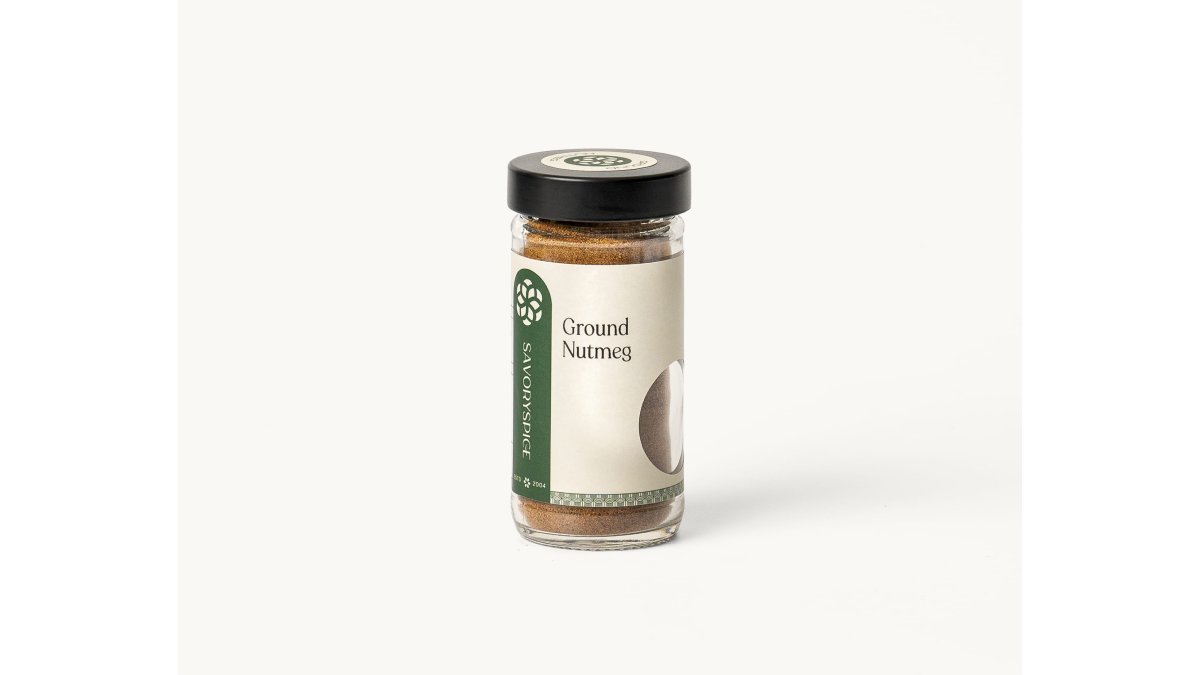
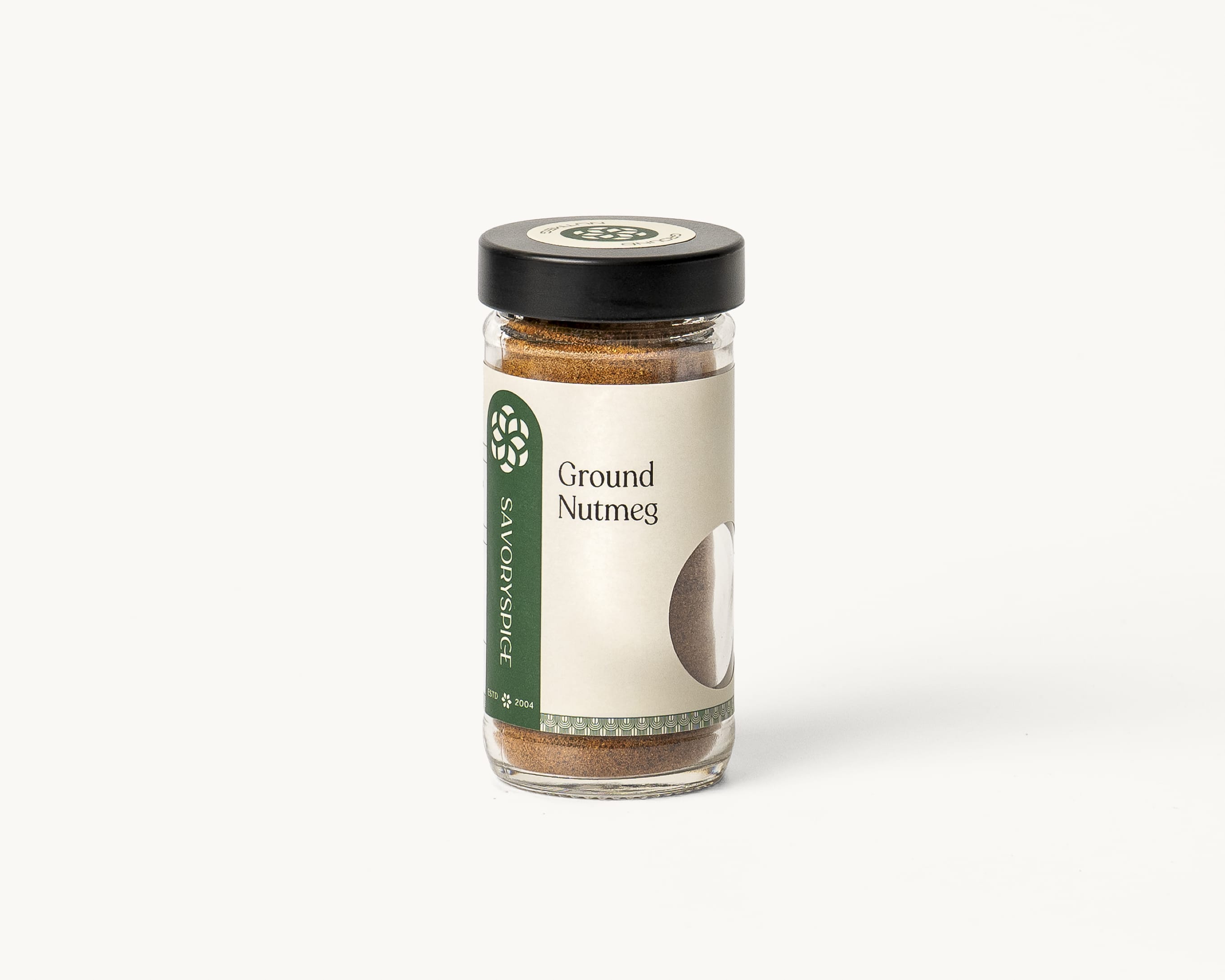
Nutmeg is the most common partner for cinnamon because it adds a nutty, slightly sweet depth that rounds off cinnamon’s edge without competing for attention. It is the softest of the four, so it tolerates a heavier hand. A common starting pattern is one part nutmeg to two or three parts cinnamon by volume. Ground Nutmeg is a good choice for apple pies, pumpkin breads, custards, and cakes.
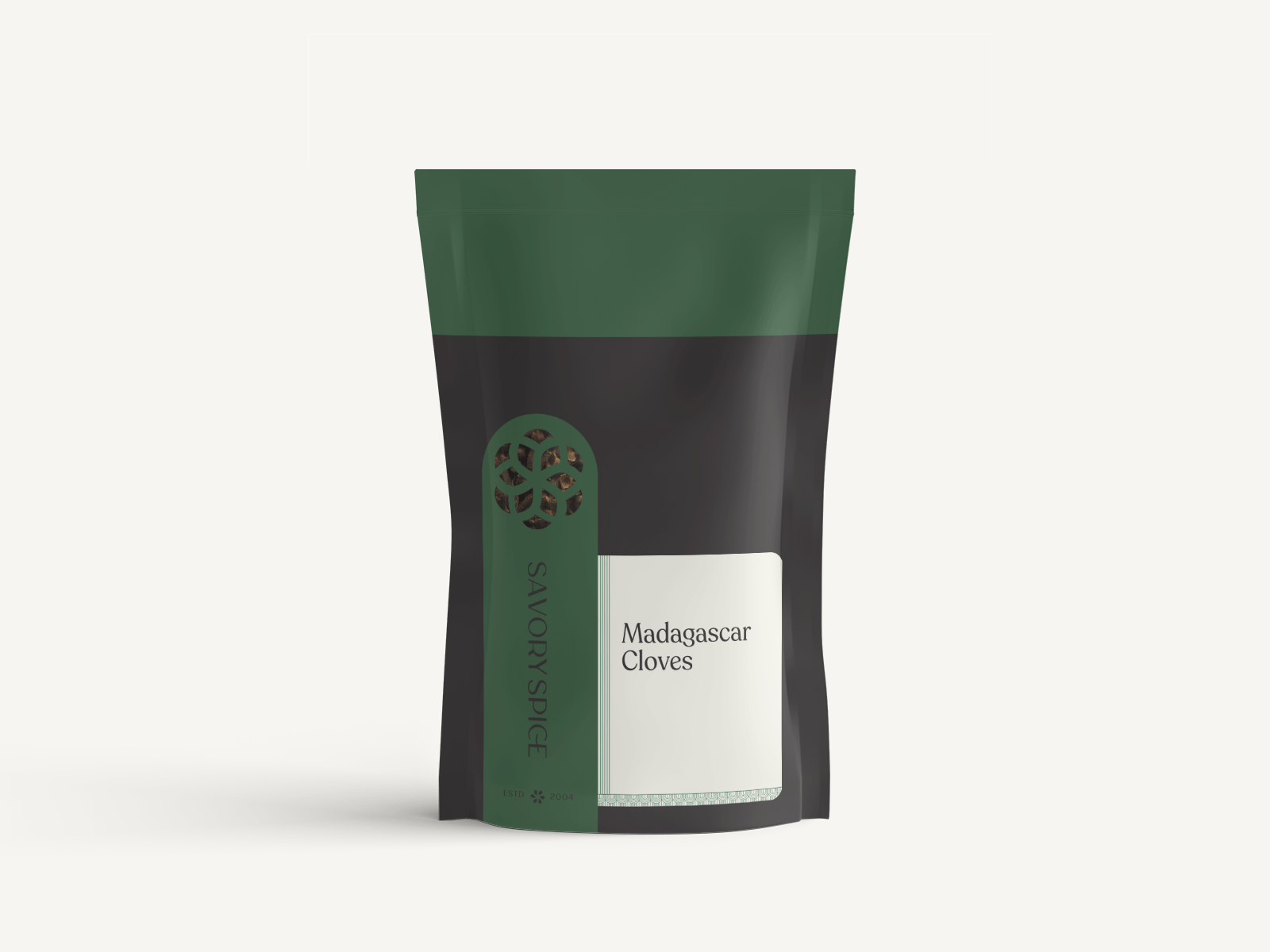
Cloves bring sharpness and intensity, and they are the easiest of the group to overdo. Clove’s dominant compound, eugenol, reads as medicinal past a certain threshold, so start small: roughly one part clove to four or five parts cinnamon, then taste. Ground Madagascar Cloves work well in apple pie and pumpkin rolls, where a little sharpness cuts through sweetness. For a slower-building flavor, Madagascar Cloves are a whole-spice option suited to recipes you build slowly.
Ginger adds brightness and a clean, peppery heat that lifts cinnamon rather than deepening it. Cinnamon and ginger are the backbone of gingerbread and spice cookies, and ginger is the partner that keeps a heavy cinnamon bake from tasting dull. A common starting ratio is one part ginger to two parts cinnamon. Diced Crystallized Ginger is a good match for muffins, scones, and quick breads, where its sweetness and chew balance the spice.
Allspice works as a bridge between cinnamon, cloves, and nutmeg because it carries notes of all three. It is the useful single spice when you want a warm profile without a crowded blend, one part allspice to two parts cinnamon gives a rounded, almost pre-blended warmth. It shines in carrot cake, spice cookies, and fruit pies.
A practical way to build a blend is to pick one dominant spice (usually cinnamon), add one supporting spice at roughly half its volume, and stop there. Two spices in balance usually taste better than a crowded blend, and it is far easier to add a third spice next time than to rescue an over-spiced batch.
Watch out: cloves can dominate quickly. Start with a pinch, taste the batter, and add more only if needed, and remember that clove flavor intensifies as a bake sits, so a batter that tastes right today may taste sharper tomorrow.
What Goes Well With Cinnamon in a Cake
Cakes are forgiving, and cinnamon fits most of them, but the right partner depends on the cake’s structure, sweetness, and crumb. Rather than a single list, here is how we map cinnamon pairings to the cakes home bakers actually make, with starting ratios for each.
Spice cake and snack cakes. Pair cinnamon with nutmeg and a little ginger. A reliable starting blend is two parts cinnamon, one part nutmeg, and half a part ginger. This is the profile most people recognize as “spice cake,” and it is forgiving enough that small measuring errors won’t ruin it.
Pumpkin and carrot cakes. These welcome cinnamon, nutmeg, and clove, with allspice as an optional bridge. Pumpkin’s earthiness can carry more spice than a lighter cake, so a blend of two parts cinnamon, one part nutmeg, and a quarter part clove works well. Pumpkin Pie Spice combines cinnamon, ginger, nutmeg, and clove, so it works as a single-jar shortcut when you want the classic profile without measuring four jars.
Fruit-forward cakes. Cinnamon pairs well with orange and almond, and the citrus keeps a sweet cake from tasting heavy. Pure Orange Extract brings bright citrus to cinnamon cakes without adding zest or juice, and Pure Almond Extract adds an almond note that works well in cookies, cakes, and pastries. Madagascar Vanilla Bean Powder can replace vanilla extract in baking.
Chocolate cakes. Cinnamon is a classic accent in chocolate, but it should stay in the background. Use about one-quarter the volume of cinnamon to cocoa, enough to add warmth, not enough to announce itself. A pinch of cayenne or a little espresso powder alongside it deepens the chocolate without adding a distinct spice note.
Coffee cakes and crumb cakes. Cinnamon belongs in both the batter and the streusel. Keep the batter lightly spiced (one part cinnamon to half a part nutmeg) and let the topping carry a stronger cinnamon note so the flavor reads clearly on the crust.
Angel food and light sponge cakes. These are the exception. Their delicate crumb is easily overwhelmed, so use cinnamon sparingly, a quarter teaspoon per standard recipe is often enough, and pair it with vanilla rather than with heavier warm spices.
A useful rule across all of these: taste the batter before baking when you can, and remember that spice flavor mellows slightly in the oven but intensifies in the days after baking. A cake that tastes slightly under-spiced on day one often tastes right on day two.
Substitute for Cinnamon in Baking: Flavor Alternatives
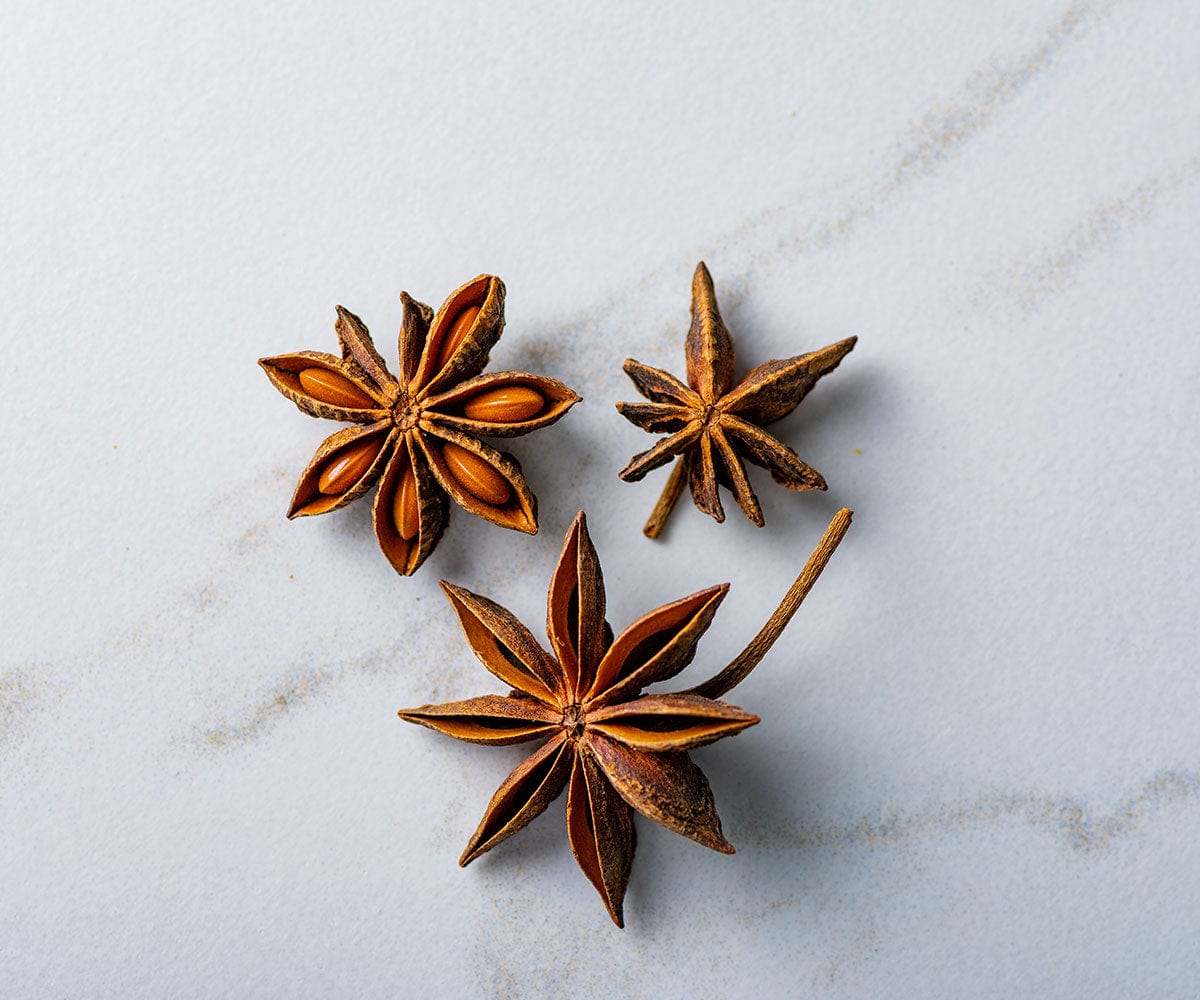
Sometimes you run out of cinnamon, or want a different direction. Common substitutes include ginger, cardamom, nutmeg, cloves, star anise, and vanilla bean. Each one shifts the flavor in a different way.
Ginger gives a sharper, spicier warmth. Cardamom is floral and citrusy. Star anise tastes close to licorice, so use it sparingly. Vanilla bean gives sweetness without heat.
Replace cinnamon gradually. Swap half the amount first, taste, and adjust. Our Star Anise is a strong option for a distinctive twist, but a little goes a long way.
How to Balance Cinnamon Flavor Without Overpowering a Bake
Cinnamon is easy to overdo. Some experts caution that adding it to certain doughs without understanding how it interacts with sugar and yeast can throw the result off balance. Food & Wine’s guide to baking spice substitutions
Start with the cinnamon amount your recipe calls for, then add partner spices in small increments. A general rule: one dominant spice, and no more than two supporting spices. Taste batter before baking when you can.
Fresh ground spices give the cleanest flavor. Whole spices lose their oils more slowly than ground ones, so grind or crush them close to baking time when you can.
Stocking Your Spice Drawer for Cinnamon Pairings
A useful starter set for cinnamon baking includes cinnamon in both ground and stick form, ground nutmeg, one clove product, and a warm blend such as Pumpkin Pie Spice. Add vanilla and almond extracts for range.
Store spices in airtight containers away from heat and light. Buy in amounts you will use within a few months. You can browse the full range of baking spices to fill out your drawer.
Our pick for most home bakers: start with Ground Ceylon Cinnamon, Ground Nutmeg, and Pure Almond Extract. Those three cover cookies, cakes, and pies with room to experiment.
Savory Spice blends and sells the cinnamon pairings above, built in small batches for home bakers who want fresh, bold flavor. Explore the full range and find your next bake.
Frequently Asked Questions
What seasonings go well with cinnamon?
Nutmeg, cloves, allspice, ginger, cardamom and mace are the classic partners for cinnamon in baking. Nutmeg and ginger add warmth and depth, cloves bring a sharp, sweet bite, and cardamom adds a bright, floral note. A common starting point is to use roughly a quarter teaspoon of a secondary spice for every teaspoon of cinnamon, then adjust to taste. Savory Spice’s Ground Nutmeg and Diced Crystallized Ginger are good places to start, and the Pumpkin Pie Spice blend already combines cinnamon with ginger, nutmeg and clove.
What spices go well with cinnamon in a cake?
For cakes, nutmeg and ginger are the most dependable companions, especially in spice cakes and carrot cakes. Cardamom works well in citrus-forward cakes, and a small pinch of Ground Madagascar Cloves can deepen a chocolate or apple cake. Start with a light hand, because cake batter gives spices less room to round out than a cookie dough does.
Can you use nutmeg and cinnamon together in baking?
Yes. Nutmeg and cinnamon are a natural pair, and they appear together in everything from apple pie to pumpkin bread. Nutmeg is more pungent, so use about half as much as you would cinnamon. Because nutmeg intensifies as it sits, mix it into the batter and taste the next day before adjusting.
How do you balance cinnamon in a recipe?
Balance cinnamon by pairing it with a complementary spice and a contrasting note. Sweet ingredients such as brown sugar and raisins can mute its heat, while citrus or a touch of cardamom keeps it bright. Avoid doubling cinnamon with other strong spices at full strength, since they compete. A good rule is to build the blend in small increments and taste the batter or dough before baking, adjusting one spice at a time.