Pink vegetables are among the most visually distinctive ingredients in the produce world. From rosy stems and roots to vibrant mushrooms and heirloom tomatoes, these vegetables bring color, texture, and variety to both everyday meals and special occasions. While some develop their pink shades naturally through pigments like anthocyanins and lycopene, others have been cultivated over generations for their unusual appearance.
Beyond their eye-catching color, pink vegetables offer a wide range of flavors, from peppery and crisp to sweet, earthy, and mildly bitter. They can be served raw in salads, roasted alongside other vegetables, or used as colorful garnishes, proving that produce can be attractive as well as delicious.

While they’re commonly known as red radishes, most varieties are actually closer to bright pink or magenta. Their vibrant skin often has a rosy hue rather than the deep, primary red we associate with foods like tomatoes or red bell peppers. Still, they’re traditionally grouped with red vegetables because of their overall appearance and because “pink vegetables” isn’t exactly a category you’ll find in most produce guides.
Like other radishes, they provide vitamin C and beneficial plant compounds found in cruciferous vegetables. They tend to have a milder, sweeter flavor and less intense pepperiness than many white or black varieties. Thinly sliced, they bring delicate crunch and fresh color to salads, sandwiches, and vegetable platters.

Though , rhubarb is technically a vegetable. While rarely eaten for nutrition alone, rhubarb provides vitamin K, fiber, and several antioxidants. Its crisp pink stalks are intensely tart and are most often cooked with sugar for jams, pies, desserts and even served alongside meat. When simmered, it breaks down into a vibrant pink sauce.

While tomatoes are known for their deep red color, you can find them in many different colors from orange, yellow, black to pink. Pink tomatoes tend to contain fewer seeds and more flesh than many standard red varieties, while still providing vitamin C, potassium, and lycopene. Their juicy texture makes them especially good sliced fresh for salads and sandwiches..
Known as La Rosa del Veneto, this beautiful chicory forms tightly layered pink leaves with crisp texture and gentle bitterness. Like many leafy greens, it provides vitamin K, folate, and fiber while remaining low in calories. Grown in darkness to limit chlorophyll development, it remains tender and visually striking. It is especially popular in winter salads and fresh vegetable dishes.
An heirloom relative of the daikon radish, watermelon radish hides a vibrant pink interior beneath a pale green and white exterior. Its crisp texture and mild peppery flavor finish with a noticeable sweetness. Like other radishes, it supplies vitamin C, fiber, and antioxidant compounds, including anthocyanins that contribute to its vivid coloration. It is most often served raw to showcase its striking color contrast.
Pink Swiss chard combines dark green leaves with bright pink stems and veins. The leaves cook much like spinach, while the stems retain a pleasant crunch when lightly sautéed. Rich in vitamins K and A, Swiss chard is also valued for its magnesium and potassium content. Its colorful appearance makes it a favorite in vegetable medleys, tarts, and side dishes.
This large heirloom winter squash develops a soft pink exterior surrounding dense orange flesh. Like many winter squashes, it contains beta-carotene, which the body converts into vitamin A. Its sweet, nutty flavor and smooth texture make it particularly useful for roasting, baking, and soups. Large fruits also store well through the winter months.
Pink carrot varieties owe their coloration largely to lycopene, the same pigment found in tomatoes. In addition to fiber and potassium, they provide this antioxidant compound while remaining crisp and flavorful whether eaten raw or cooked. Roasting enhances their sweetness while deepening their rosy color.
Several eggplant varieties develop pink and lavender skins. Their flesh is typically mild, tender, and less bitter than many darker eggplants. Like other eggplants, they provide fiber and antioxidant compounds concentrated largely in the skin. They work particularly well grilled, roasted, or stewed.
Several pink-fleshed potato varieties combine rosy skins with vivid pink interiors that retain much of their color after cooking. Their smooth texture and nutty flavor make them useful for roasting, mashing, and potato salads. They provide potassium and complex carbohydrates while bringing natural color to dishes without additional ingredients.
Pink celery is an heirloom form of celery that develops rosy-pink stalks while retaining the crisp texture and aromatic flavor associated with green varieties. The stalks add attractive color to salads, crudité platters, and fresh juices. Like traditional celery, they contribute vitamin K and plenty of hydration thanks to their high water content, and can be enjoyed raw in salads or cooked into soups, purees, and braised dishes.
Pink peppercorns are the dried berries of the Peruvian pepper tree and are unrelated to true black pepper. They offer a lightly sweet, fruity flavor with gentle warmth rather than intense heat. In addition to their aromatic oils, they contain small amounts of antioxidants that contribute to their distinctive flavor profile. Crushed pink peppercorns are often used to finish seafood, salads, and creamy sauces.

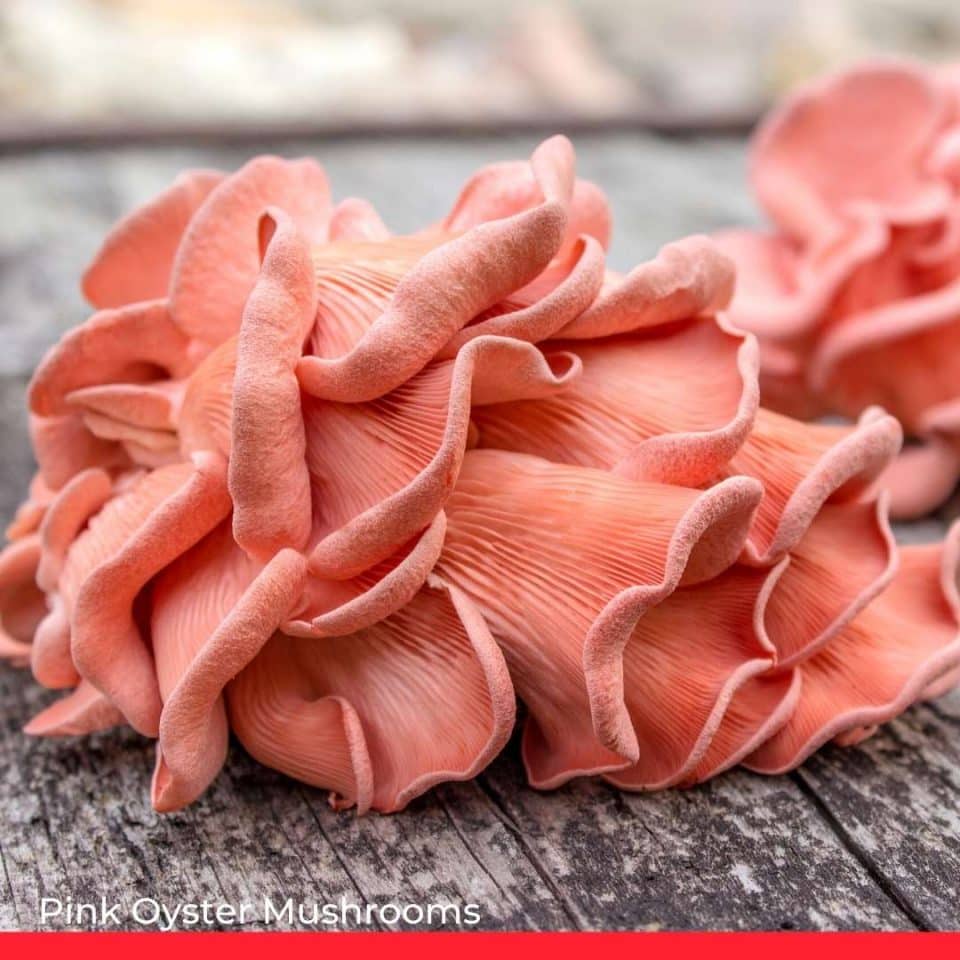
While mushrooms are not technically veggies, they are treated as such in grocery stores and our kitchens. This tropical mushroom grows in vibrant clusters with a distinctive pink color when fresh. Beyond their striking appearance, pink oyster mushrooms contain fiber, protein, and a variety of B vitamins. They have a delicate texture and develop mild savory notes when cooked. Because the color fades during cooking, they are best sautéed quickly over high heat.
Related: 25 Naturally Pink Foods (With Pictures!)
Related: Pink Deviled Eggs
Related: 24 Naturally Pink Fruits (with Pictures!)
Related: 35 Green Vegetables for Salads, Soups and Sides