Red vegetables are among the most vibrant ingredients in the produce aisle. From juicy tomatoes and sweet red peppers to earthy beets, crisp radishes, and colorful heirloom varieties, they bring bold color, fresh flavor, and visual appeal to countless dishes. Some are kitchen staples found in households around the world, while others are less familiar but equally worthy of a place on your plate.
In this guide, you’ll discover a diverse range of red vegetables, including roots, leafy greens, legumes, peppers, and more. Whether you’re looking to add more color to your meals, explore new ingredients, or simply appreciate the remarkable variety of red produce, these vegetables showcase just how much the color red has to offer in the kitchen.
Although tomatoes are botanically classified as fruits, they are generally treated and consumed as vegetables. They form the backbone of countless dishes and are one of the easiest ways to add both freshness and depth of flavor to a meal. They are also one of the best-known sources of lycopene, the antioxidant pigment responsible for their red color. Their natural balance of sweetness and acidity works everywhere, from slow-cooked pasta sauces to quick summer salads. You can turn them into soup, fry them into veggie balls, or even bake them into a delicious galette. Tomatoes simply rarely disappoint.

Most red bell peppers start out green and develop their sweeter flavor and rich color as they fully ripen on the vine. Along with that sweetness comes an impressive amount of vitamin C (more than many citrus fruits provide). Compared to their greener counterparts, they’re softer in flavor, with more sweetness and less bitterness. Roast them until lightly charred, toss them into stir-fries, or stuff and simmer them for an easy dinner.
Sharp enough to stand out but mild enough to enjoy raw, red onions are one of the most versatile ingredients in the kitchen. Their crisp bite comes from naturally occurring sulfur compounds, which also contribute to their distinctive aroma. Their flavor works especially well in salads, grilled skewers, or turned into jam and served as a side. Quick-pickle them and they become tangy, vivid, and super easy to add to everything.
Red radishes deliver crisp texture and a peppery bite that instantly freshens heavier dishes. As members of the cruciferous vegetable family, they also provide vitamin C and a range of beneficial plant compounds. You can serve them baked, pickled, or sliced fresh in salads. They add both crunch and contrast to any dish they’re added to. One of the simplest ways to enjoy them is still one of the best: raw with butter and flaky salt.
Note that many red radishes varieties are actually closer to bright pink or magenta, which is why we also included them among our list of favorite pink veggies.
Red chili peppers bring more than heat and they also add color and depth depending on the variety you choose. Their spiciness comes from capsaicin, a natural compound that has made chili peppers the subject of extensive nutritional research. From mildly spicy options to intensely hot ones, they can completely change the personality of a dish. Delicious curries, braised meat dishes, and mussels all benefit from their punch.
Red potatoes have thin skins and a waxier texture, which means they stay firm and hold their shape well during cooking. That makes them especially useful for potato salads, sheet-pan dinners, and roasting whole. Their tender skins also mean less peeling and less prep work, while helping retain fiber and many of the potato’s nutrients.
Red carrots look unusual but cook much like their orange relatives, with a similarly sweet, earthy flavor. Their color comes from lycopene, the same antioxidant pigment found in tomatoes and watermelon. Roast them whole, shave them into salads, or use them to add extra color to simple side dishes.

Earthy, sweet, and impossible to ignore, beets add bold color and substance wherever they go. Roasting softens their earthiness and draws out their sugars, making them especially good with tangy cheeses, citrus, or nuts. They’re equally at home in risotto, soups, and even turned into muffins for an unconventional dessert.
Red Swiss chard brings two vegetables in one: sturdy stalks with plenty of crunch and tender leaves that soften quickly in the pan. The stems can be cooked a little longer for texture, while the greens wilt down much like spinach. Rich in vitamin K and colorful antioxidant pigments, it needs little more than a quick sauté with garlic and olive oil.
Red leaf lettuce has soft, ruffled leaves with burgundy edges and a mild flavor that rarely overpowers other ingredients. Its color comes from anthocyanins, the same family of pigments found in many red and purple fruits and vegetables. Its delicate texture makes it best suited for fresh salads, sandwiches, and wraps rather than cooking. Dress it lightly and right before serving to keep those leaves from collapsing.
A little gentler than curly kale but still hearty enough to stand up to strong flavors, red kale works well both raw and cooked. Like other kale varieties, it provides vitamins K, A, and C along with a range of antioxidant compounds. Its leaves soften nicely after massaging, making it useful for substantial salads that won’t wilt immediately. It’s equally at home in soups, pasta dishes, and baked chips.
Red okra has the same mild, slightly grassy flavor as green okra but comes wrapped in deep crimson pods. Like other okra varieties, it contributes fiber and nutrients while developing its characteristic thickening texture when cooked. Cooking causes much of that color to fade, so raw preparations and quick pickles show it off best. Slice it into salads or cook it whole to keep its shape intact.
Red corn stands out immediately thanks to its deep coloring and old-world appearance. While some varieties can be eaten fresh, many are prized for grinding into cornmeal, flour, or polenta with a richer, nuttier flavor than standard yellow corn. The pigments responsible for its color are closely related to those found in many other red and purple vegetables. It feels equally suited to rustic comfort food and traditional recipes.

While legumes are technically a distinct plant group, they are often treated as vegetables in culinary contexts and are therefore included in this list.
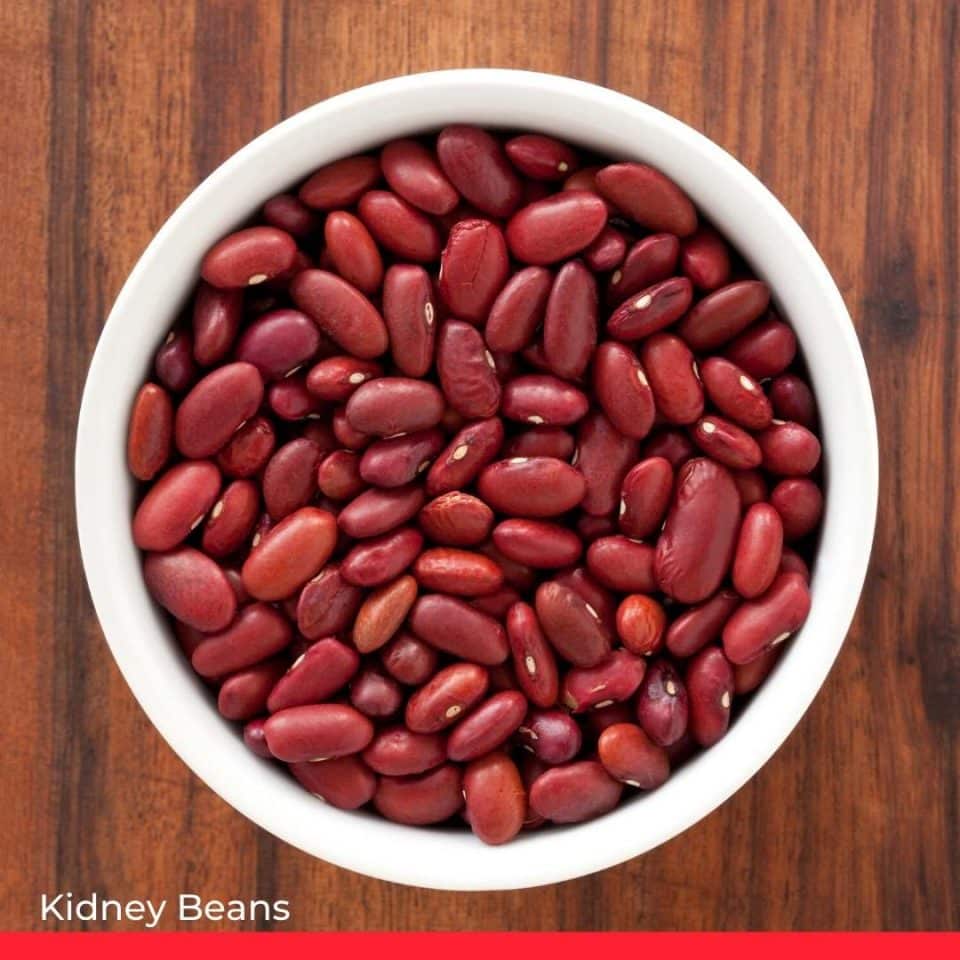
Red kidney beans are pantry staples for a reason: they’re hearty, filling, and hold their shape well even after long cooking times. Their mild, slightly nutty flavor makes them perfect for chili, stews, curries, and bean salads where they can soak up plenty of seasoning. Rich in plant protein, fiber, folate, and iron, they add both substance and visual contrast to all kinds of dishes.
Popular in many Asian, African, and Caribbean kitchens, red amaranth leaves cook down much like spinach but with a fuller, earthier flavor. Their leaves release some color during cooking, adding extra character to soups and sautés. Rich in vitamins A and C, they’re a good option when you want leafy greens that feel a little less familiar.
These leafy greens have a peppery bite that becomes more noticeable the younger and fresher they are. Raw leaves add heat and sharpness to salads, while cooking softens their edge considerably. Like other mustard-family vegetables, they provide vitamin K and beneficial plant compounds associated with cruciferous greens. If you like foods with a bit of attitude, these deliver.
Red kuri squash has smooth flesh, edible skin, and a rich flavor often compared to chestnuts or roasted nuts. Its deep orange flesh is naturally rich in beta-carotene, which the body converts into vitamin A. It works especially well in soups, curries, and roasted vegetable trays where its sweetness becomes more pronounced. Since peeling isn’t necessary, it’s also easier to prepare than many winter squashes.
Radicchio’s bitterness is exactly what makes it useful. Those tightly packed burgundy leaves cut through rich cheeses in salads, creamy dressings, and fatty meats in a way few vegetables can. Like other chicories, it provides fiber while remaining low in calories. Cooking mellows its sharper edges, bringing out sweeter and smokier notes.
Blood sorrel is easy to recognize thanks to the red veins running across its bright leaves. Its flavor leans strongly citrusy, making it useful almost like an herb in salads, seafood dishes, and egg recipes. The leaves also provide vitamin C and antioxidant pigments that contribute to their striking appearance. A small amount goes a long way.
Red endive combines crisp texture with gentle bitterness and naturally scoop-shaped leaves. That makes it useful both for salads and for serving small appetizers directly in the leaves themselves. Like other endives, it contributes fiber and folate while staying pleasantly light. Cooking softens its bitterness, while keeping it raw preserves its crunch.
Dense and crunchy when raw, red cabbage becomes mellow and tender after cooking. Its deep color comes from anthocyanins, powerful antioxidant pigments also found in berries and other purple-red produce. Shred it into salads or burgers for texture, pickle it for extra brightness, or braise it slowly with apples and vinegar for something more comforting. Its color alone can wake up an otherwise beige plate.
Please let us know in the comments section below (or by email) if we missed any of your favorite red vegetables.
Related: 35 Green Vegetables for Salads, Soups and Sides
Related: 13 Pink Vegetables to Brighten Your Plate
Related: 25 Naturally Red Foods (With Pictures!)
Related: 25 Red Fruits You Should Eat (With Pictures!)
Related: 17 Yellow Vegetables for More Colorful Cooking