This post may contain affiliate links. Please read my disclosure policy.
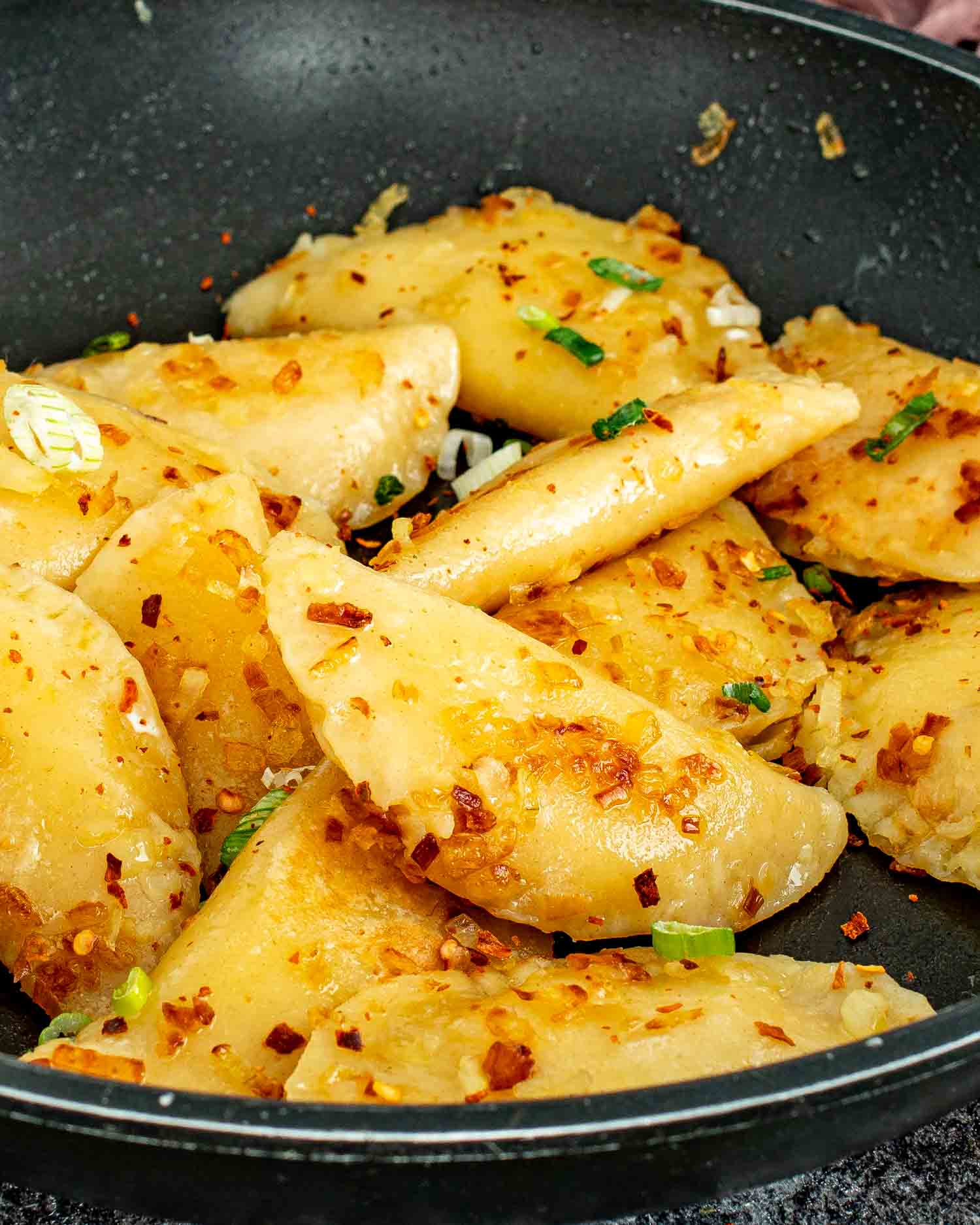
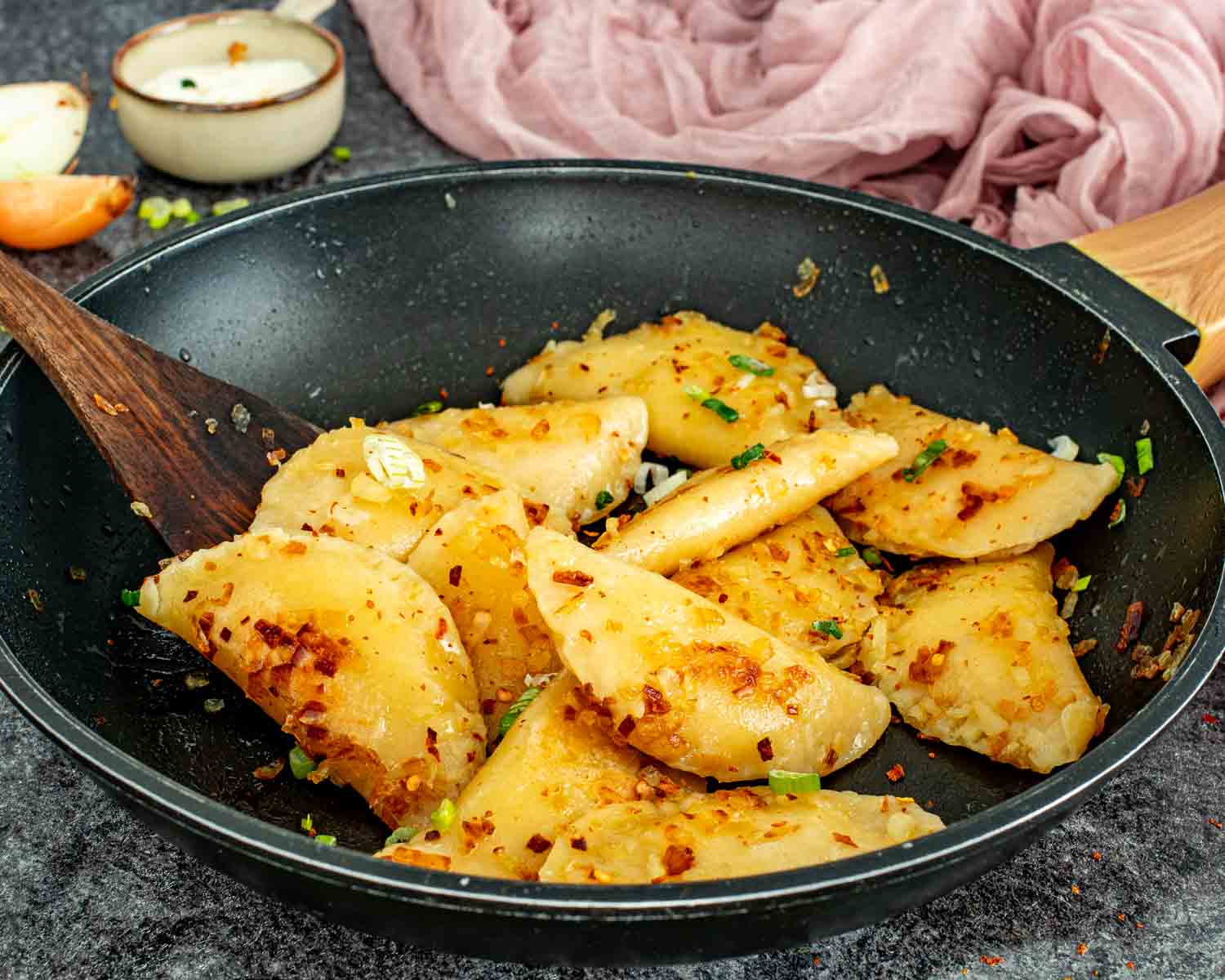
Pillowy Homemade Pierogi stuffed with potato and cheddar, pan fried in butter and onions until golden. Make some for dinner, freeze the rest for later. They cook straight from frozen.
Table of Contents
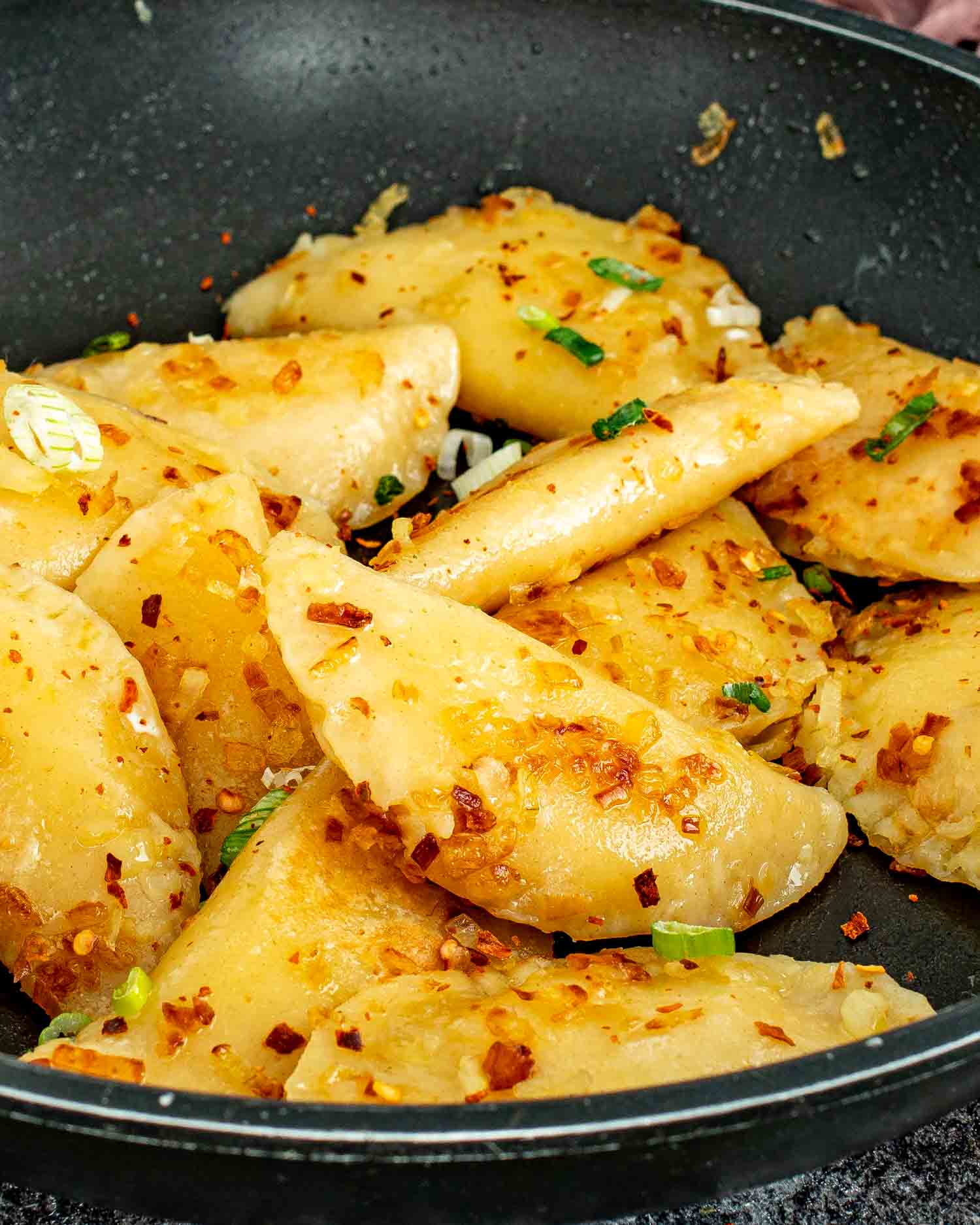
I ate my first pierogi at my sister’s house over 30 years ago. We lived next door to each other at the time, which was one of the best arrangements 2 sisters could have. She boiled them, fried them in butter and onions, served them with sour cream. I was done for.
Years later a Polish friend taught me to make them from scratch and I never looked back. Now I make them myself and honestly they are not that hard. The dough comes together in minutes, the filling is 3 ingredients, and the whole process is more meditative than stressful once you get going. Put on some music, grab a glass of wine, and just make pierogi. You will be fine.
These are the classic potato and cheddar version, boiled then pan fried in butter and onions until golden. Served with sour cream, obviously. Always with sour cream.
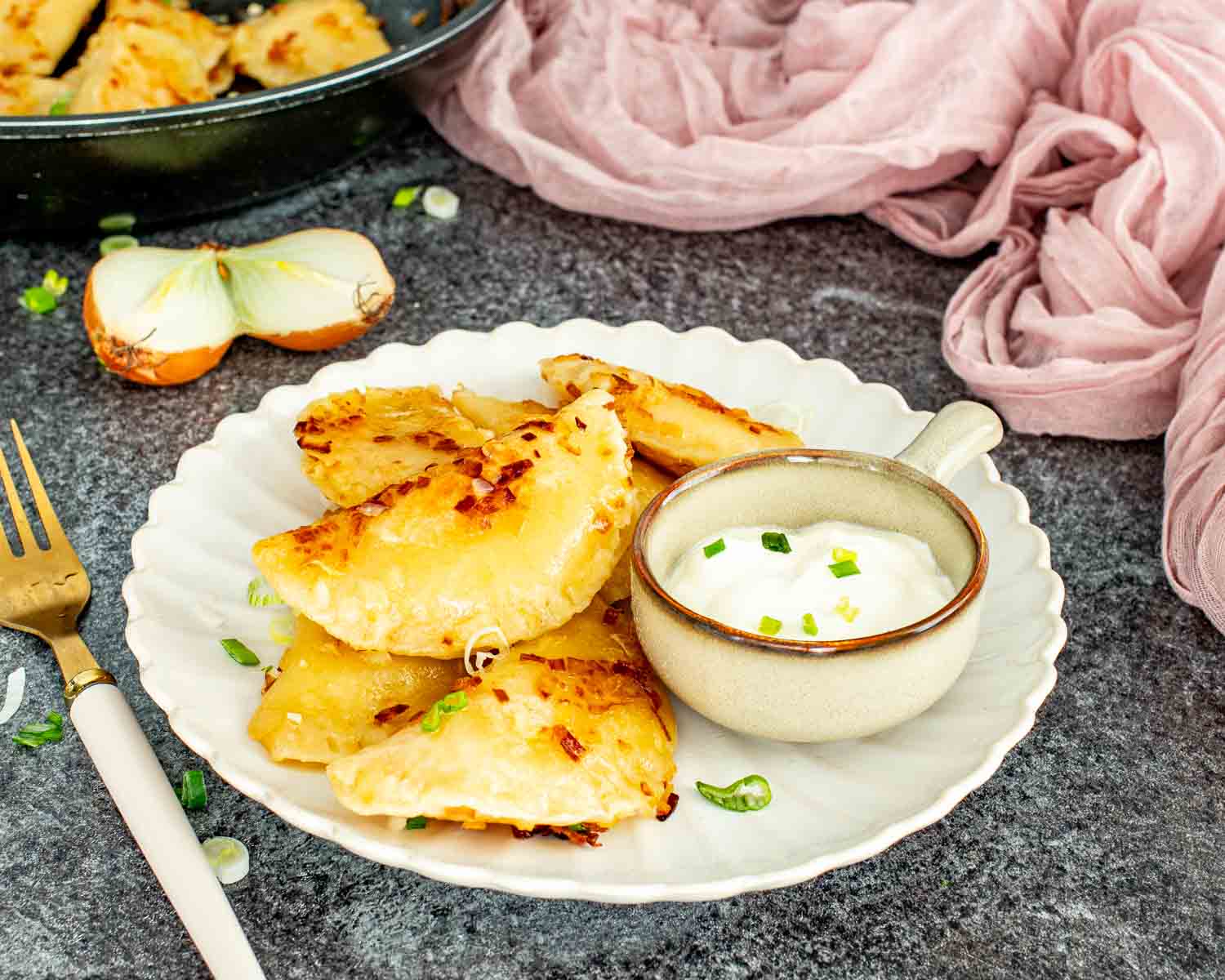
Pierogi are Polish dumplings made from unleavened dough and stuffed with savory or sweet fillings. The most classic version is potato and cheese, which is exactly what we are making here.
They are boiled first then pan fried in butter and onions until golden and slightly crispy on the outside. Think of them as the Eastern European answer to comfort food. Every bite is soft, cheesy, buttery, and completely satisfying.
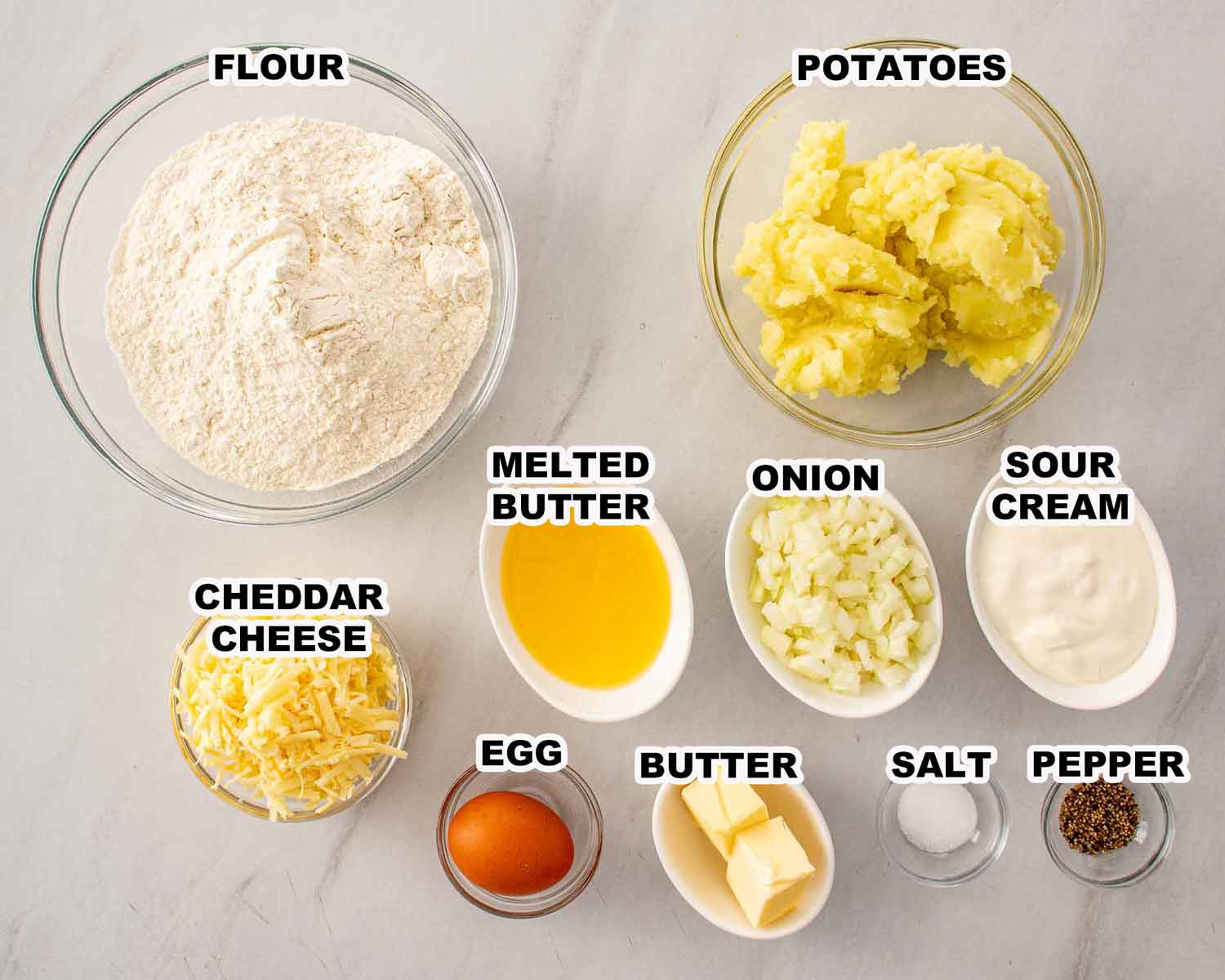
- All purpose flour: Standard flour, nothing fancy needed here.
- Salt: For seasoning both the dough and the filling.
- Egg: One large egg helps bind the dough together.
- Sour cream: This is the secret. Sour cream makes the dough tender and pliable instead of tough and chewy. Do not swap it out for anything else.
- Unsalted butter: You need it for the dough and for pan frying. Adds richness to the dough and makes the pierogi golden and delicious in the pan. Do not substitute with oil.
- Mashed potatoes: About 3 medium potatoes. Make them smooth, not chunky. Lumpy filling makes the pierogi hard to seal.
- Cheddar cheese: Sharp cheddar gives the best flavor. Pre-shredded works fine here.
- Onion: Cooked low and slow in butter until golden. Do not rush this step. This is essentially your sauce.
- Sour cream for serving: Not optional. This is how pierogi are meant to be eaten.
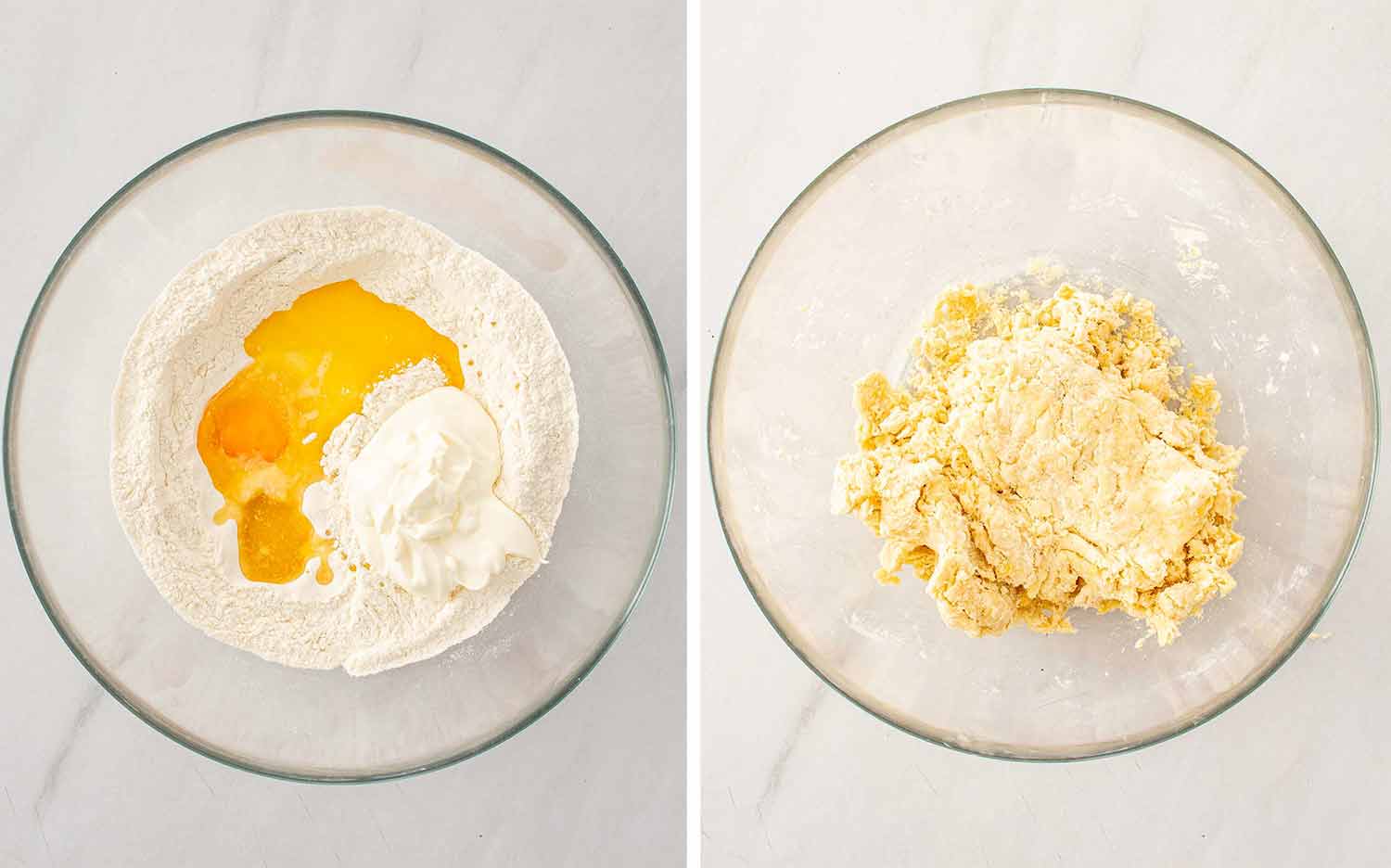
Make the dough first. Combine the flour and salt, add the egg, sour cream, and melted butter, and mix until a soft dough forms. Knead for 5 to 7 minutes until smooth, then cover and let it rest for 20 minutes. Do not skip the rest, it makes the dough significantly easier to roll.
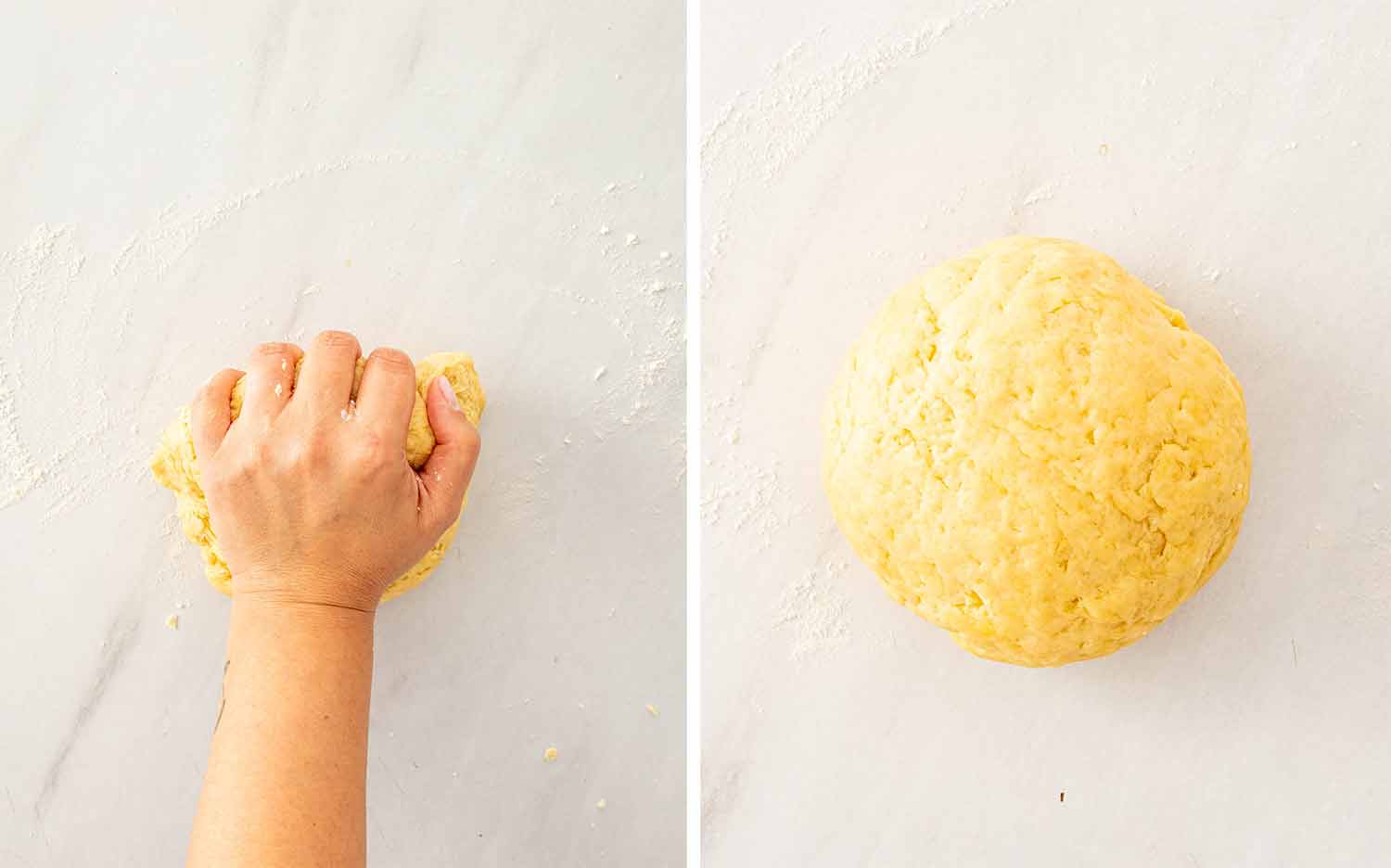
While the dough rests, mix your filling. Mashed potatoes, cheddar, salt, pepper. Done.
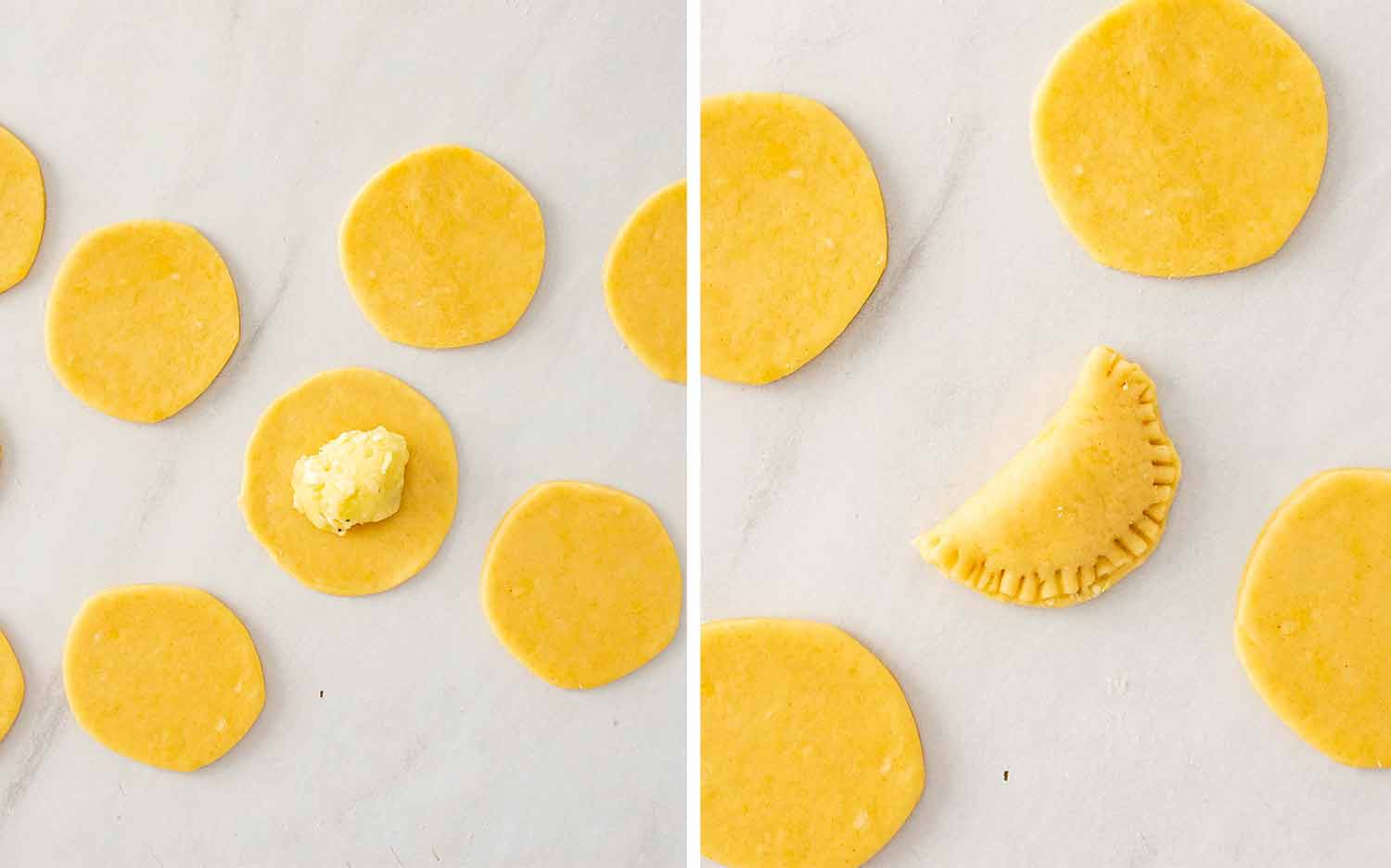
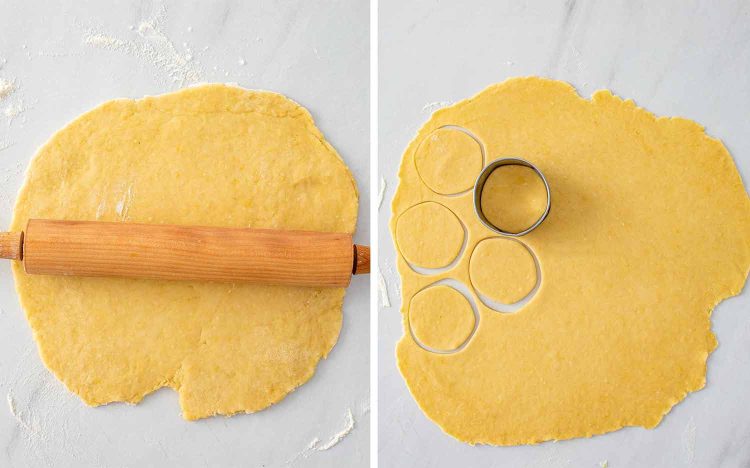
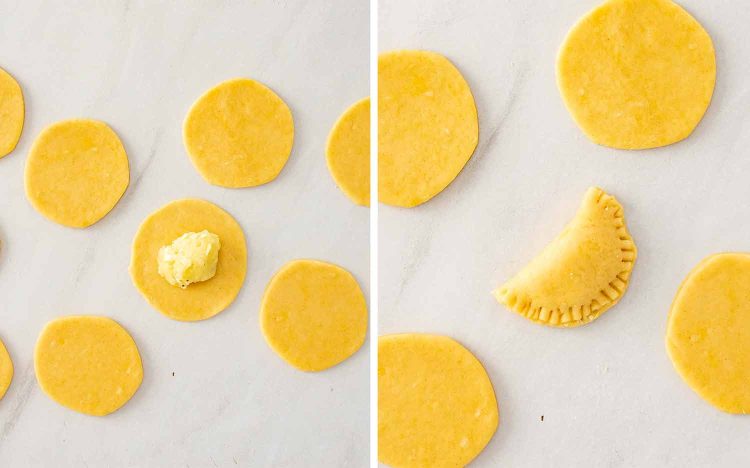
Roll the dough out to about an eighth of an inch thickness on a floured surface. Cut circles using a 3 inch cutter or the rim of a glass. Place a tablespoon of filling in the center of each circle, fold the dough over into a half moon, and pinch the edges firmly to seal. A fork crimp gives you extra insurance against leaks.
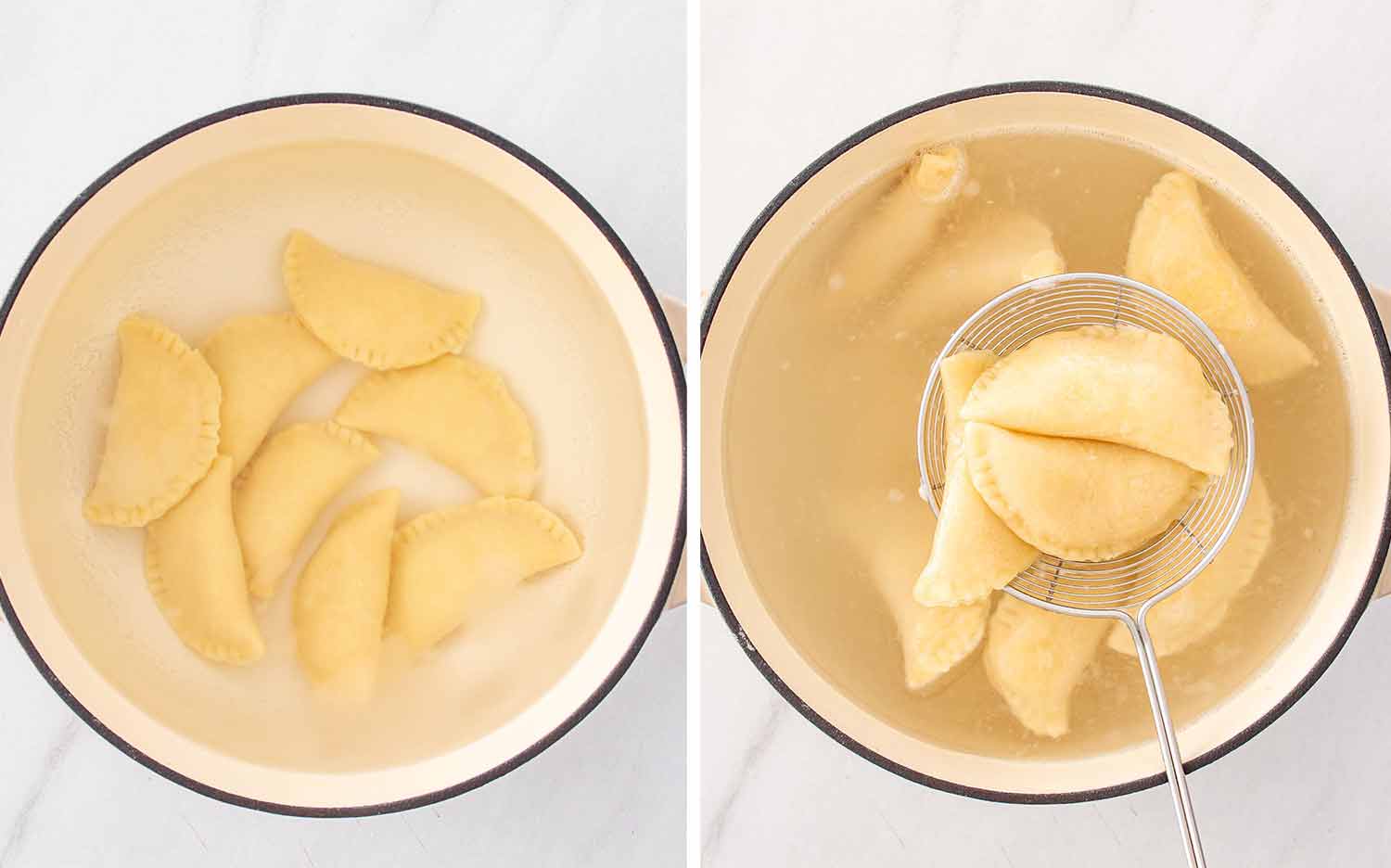
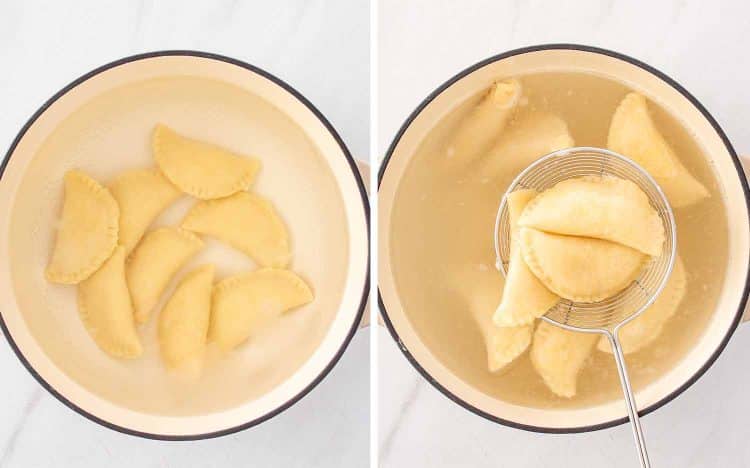
Bring a large pot of salted water to a boil and cook the pierogi in batches for 3 to 4 minutes until they float. That float is your signal they are done.
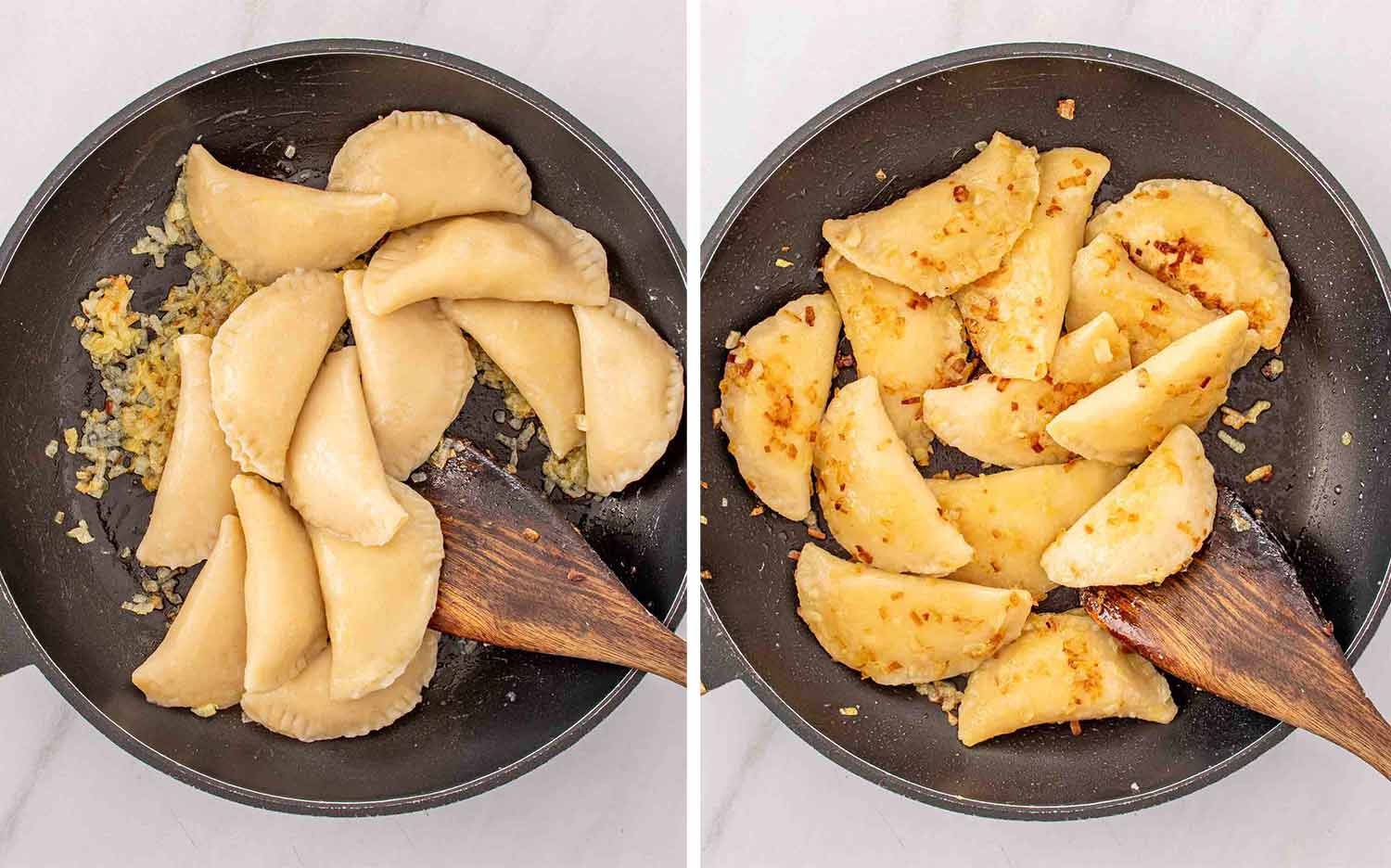
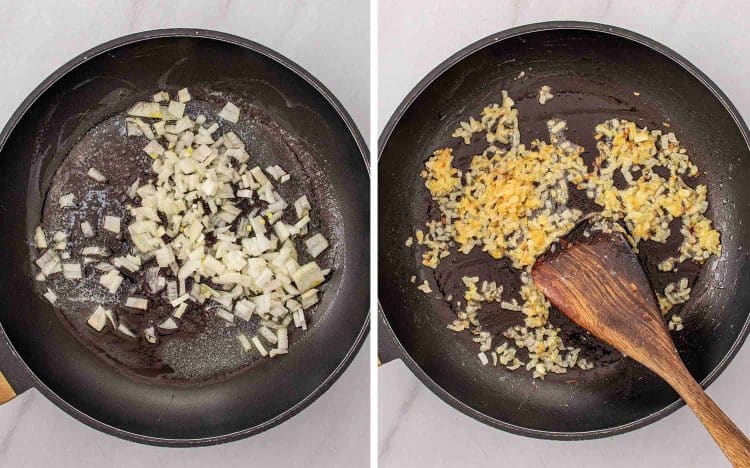
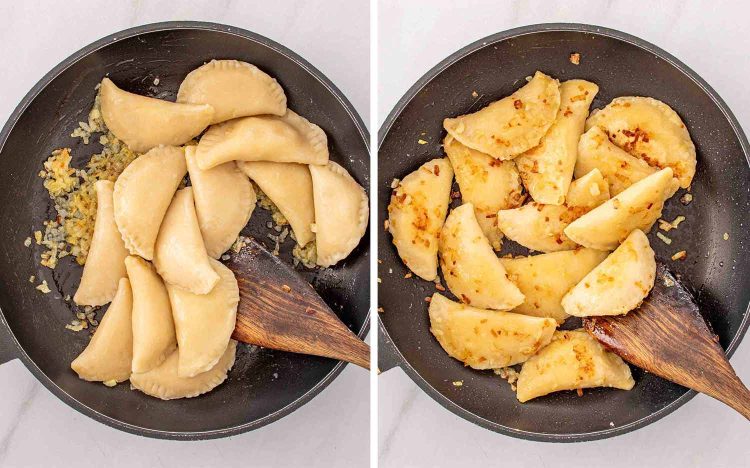
While the pierogi boil, melt butter in a large skillet over medium heat and cook the onion for 5 to 7 minutes until golden. Add the boiled pierogi and pan fry for 3 to 4 minutes per side until lightly browned and crispy.
Serve warm with the onions and sour cream on the side. Always sour cream.
- Let the dough rest. Twenty minutes covered on the counter makes it significantly easier to roll. Do not skip this.
- Roll it thin. About an eighth of an inch. If it is too thick the dough to filling ratio is off and every bite tastes like plain dough.
- Seal firmly. Press the edges well and then crimp with a fork if you want extra insurance. A leaky pierogi is a sad pierogi.
- Do not overcrowd the pot. Cook in batches. They need room to float.
- The float is your cue. When they float to the top they are done. 3 to 4 minutes usually.
- Pan fry after boiling. This is non negotiable. Boiling cooks them, pan frying makes them worth eating. Golden and crispy on the outside, soft inside. That is what we are after.
- Sour cream on the side. Always. This is not a suggestion.

These freeze beautifully. Flash freeze them first by laying them in a single layer on a baking sheet and putting them in the freezer for an hour or two until solid. Then transfer to a freezer bag. This stops them sticking together so you can grab as many as you need. Cook from frozen, just add a couple of minutes to the boiling time.
What To Serve With Pierogi
Pierogi are rich and filling on their own so you do not need much alongside them. A simple side that adds some freshness or cuts through the butter is all you need. Here are some of my favorites that pair really well.
Before You Begin! If you make this, please leave a review and rating letting us know how you liked this recipe! This helps our business thrive & continue providing free recipes.
Homemade Pierogi with a sour cream dough and a classic potato and cheddar filling. Boiled until they float then pan fried in butter and caramelized onions until golden and crispy. Serve with sour cream. Makes about 30 pierogi and freezes beautifully.
For the dough:
- 3 cups all purpose flour
- 1 teaspoon salt
- 1 large egg
- ¾ cup sour cream
- ¼ cup unsalted butter (melted)
For the filling:
- 2 cups mashed potatoes (about 3 medium potatoes)
- 1 cup cheddar cheese (shredded)
- ½ teaspoon salt
- ½ teaspoon black pepper
For cooking:
- 2 tablespoons butter
- 1 small onion (finely chopped)
Before You Begin! If you make this, please leave a review and rating letting us know how you liked this recipe! This helps our business thrive & continue providing free recipes.
-
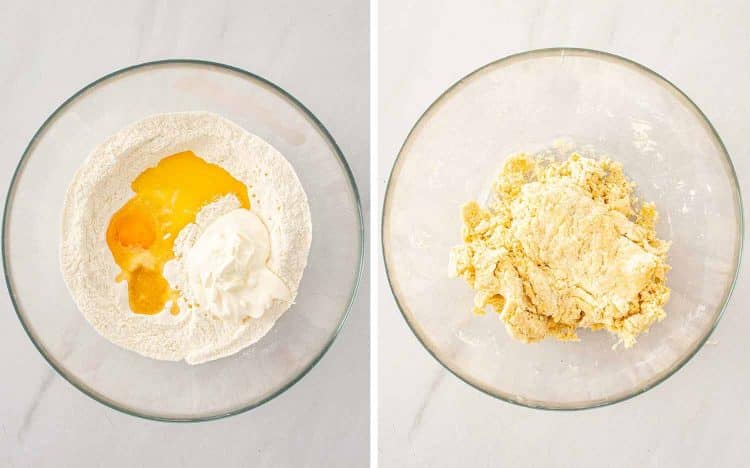
In a large bowl, combine 3 cups all purpose flour and 1 teaspoon salt. Add 1 large egg, ¾ cup sour cream, and ¼ cup melted unsalted butter. Mix until a soft dough forms.
-
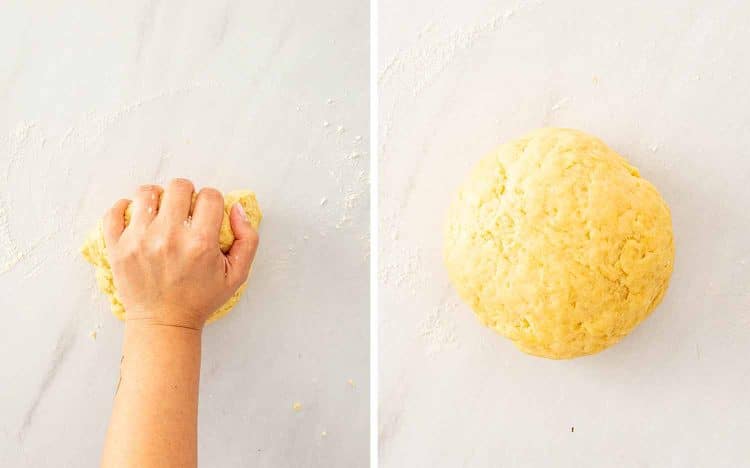
Turn the dough out onto a lightly floured surface and knead for 5 to 7 minutes until smooth. Cover and let it rest for 20 minutes.
-
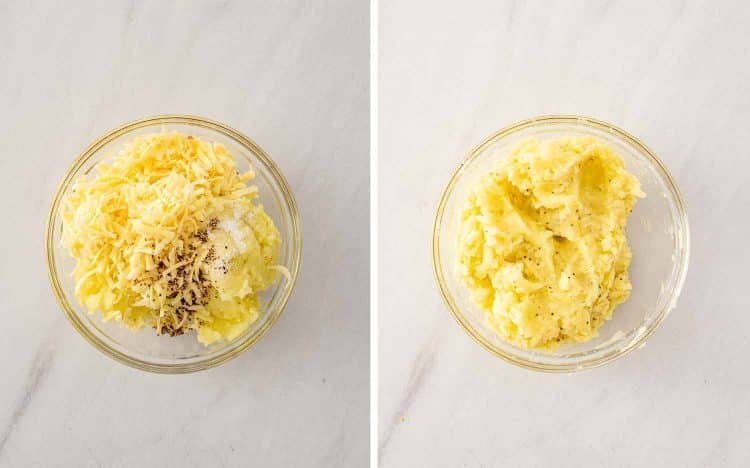
In a bowl, mix together 2 cups mashed potatoes, 1 cup shredded cheddar cheese, ½ teaspoon salt, and ½ teaspoon black pepper until well combined.
-
Roll the dough out on a floured surface to about ⅛ inch thickness. Cut circles using a 3 inch cutter or glass.
-
Place about 1 tablespoon of the potato and cheese filling in the center of each circle. Fold the dough over to form a half moon and pinch the edges firmly to seal.
-
Bring a large pot of salted water to a boil. Add the pierogi in batches and cook for 3 to 4 minutes, until they float to the surface. Remove with a slotted spoon.
-
Heat 2 tablespoons butter in a large skillet over medium heat. Add the chopped onion and cook for 5 to 7 minutes until golden.
-
Add the boiled pierogi to the skillet and cook for 3 to 4 minutes per side until lightly browned.
-
Serve warm with sour cream on the side.
- Make ahead: the dough can be made a day ahead and refrigerated wrapped tightly. Bring it to room temperature before rolling.
- Filling variations: caramelized onion mixed into the potato filling is a great addition. Some people use cottage cheese or sauerkraut and mushroom for a more traditional Polish version. Both are excellent.
- Serving: sour cream is traditional and mandatory in my house. Fried bacon bits on top are also very welcome.
- Yield: this recipe makes about 30 pierogi which sounds like a lot until you are eating them.
Serving: 1servingCalories: 550kcal (28%)Carbohydrates: 61g (20%)Protein: 14g (28%)Fat: 28g (43%)Saturated Fat: 14g (88%)Polyunsaturated Fat: 1gMonounsaturated Fat: 6gTrans Fat: 0.5gCholesterol: 97mg (32%)Sodium: 795mg (35%)Potassium: 152mg (4%)Fiber: 3g (13%)Sugar: 2g (2%)Vitamin A: 767IU (15%)Vitamin C: 1mg (1%)Calcium: 183mg (18%)Iron: 3mg (17%)
Notice: Nutrition is auto-calculated for your convenience. Where relevant, we recommend using your own nutrition calculations.
Frequently Asked Questions
Can you freeze homemade pierogi?
Can you cook pierogi from frozen?
Why is my pierogi dough tough?
Can I make pierogi ahead of time?
What do you serve with pierogi?