The numbers help explain why. More than one-third of American adults are managing diabetes or prediabetes, while millions of others are actively seeking ways to reduce calories and added sugars as part of broader wellness goals. At the same time, beverages remain one of the largest contributors of added sugar in the American diet. From flavored coffees and specialty lattes to sweetened teas, lemonades, smoothies, and seasonal beverages, sugar often appears in places guests may not immediately recognize.
For restaurant operators, that reality has created both a challenge and an opportunity. The challenge is delivering beverages that maintain the taste, indulgence, and satisfaction guests expect. The opportunity lies in creating beverage programs that address growing health concerns while expanding appeal across a wider consumer base.

Industry experts note that many operators underestimate the amount of sugar that exists throughout their beverage menu. While fountain soft drinks are an obvious source, hidden sugars frequently appear in flavored coffee beverages, blended drinks, sweetened iced teas, lemonades, smoothies, and seasonal limited-time offerings. In many cases, a single beverage can contain more sugar than guests realize.
As consumers become more informed about nutrition and ingredient transparency, they increasingly expect restaurants to provide alternatives that allow them to enjoy beverages without excessive sugar content. The demand is not limited to guests managing specific medical conditions. It includes younger consumers focused on wellness, parents making choices for their families, and older adults seeking healthier lifestyle habits.
“Many of the biggest sources of added sugar are hiding in plain sight,” Rhetts added. “Flavored coffee beverages made with traditional syrups and sauces, sweetened iced teas and lemonades, smoothies with sweetened bases, and seasonal beverages can quickly add up.”
The good news for operators is that reduced-sugar beverage programs no longer require compromise. Advances in sweetening technologies and ingredient development have made it possible to create beverages that deliver the taste consumers want while significantly reducing sugar content.
Today’s guests do not necessarily want beverages marketed as “diet” products. Instead, they want flavorful, customizable options that allow them to make choices aligned with their personal preferences and wellness goals. “The key is to lead with flavor, not restriction,” Rhetts noted. “Today’s consumers expect indulgence and better-for-you options. When operators focus on delivering great taste and customization, reduced-sugar beverages become a premium experience rather than a compromise.”
That shift in mindset has become increasingly important as operators rethink how they structure beverage programs. Successful operators are moving away from treating reduced-sugar offerings as specialty items and instead integrating them throughout the beverage menu. This approach allows guests to customize sweetness levels while ensuring that healthier options are available across multiple beverage categories.

Creating an intentional beverage strategy begins with understanding where sugar enters beverage recipes. Operators should evaluate current offerings and identify opportunities to reduce sugar without negatively impacting guest satisfaction. Coffee programs often provide some of the easiest opportunities through the use of alternative sweeteners, sugar-free syrups, and customizable beverage builds.
Tea programs can similarly benefit from defaulting to unsweetened recipes while providing guests with multiple sweetening options. Lemonades can be developed using unsweetened bases that allow guests to customize sweetness levels according to their preferences. Smoothies can emphasize whole fruit while minimizing added sugars. “Operators can embed reduced-sugar solutions across their entire menu,” Rhetts continued. “Coffee, tea, lemonade, smoothies, and specialty beverages all offer opportunities to reduce added sugar while maintaining flavor and guest satisfaction.”
Equally important is the language operators use when presenting these options. Today’s consumers respond more positively to terminology focused on choice and customization rather than clinical descriptions. Rather than emphasizing dietary restrictions, operators can promote benefits such as “zero sugar,” “no sugar added,” or “customize your sweetness.” This subtle shift helps ensure that beverage choices remain inclusive and appealing to all guests rather than targeting only those managing specific health concerns.
Menu development is only one part of the equation. Execution matters just as much. Beverage stations, coffee bars, and tabletop condiment areas all play a role in helping guests personalize their experience.
Leading operators across restaurant, healthcare, hospitality, and campus dining segments have increasingly embraced this philosophy. Many are expanding low- and no-sugar offerings while incorporating trusted sweetener brands into their beverage strategies. Others are integrating sugar-free syrups into core beverage recipes and enhancing self-service stations with multiple sweetening choices.
Healthcare and senior dining operators, in particular, have recognized the importance of providing beverage solutions that support dietary requirements while maintaining resident and guest satisfaction. Colleges and universities are also responding to student demand for more wellness-oriented beverage options. “Leading operators are defaulting to unsweetened beverage builds, expanding low- and no-sugar offerings, and creating more customization opportunities throughout their beverage programs,” Rhetts outlined. “The goal is to support both nutrition objectives and a positive guest experience.”
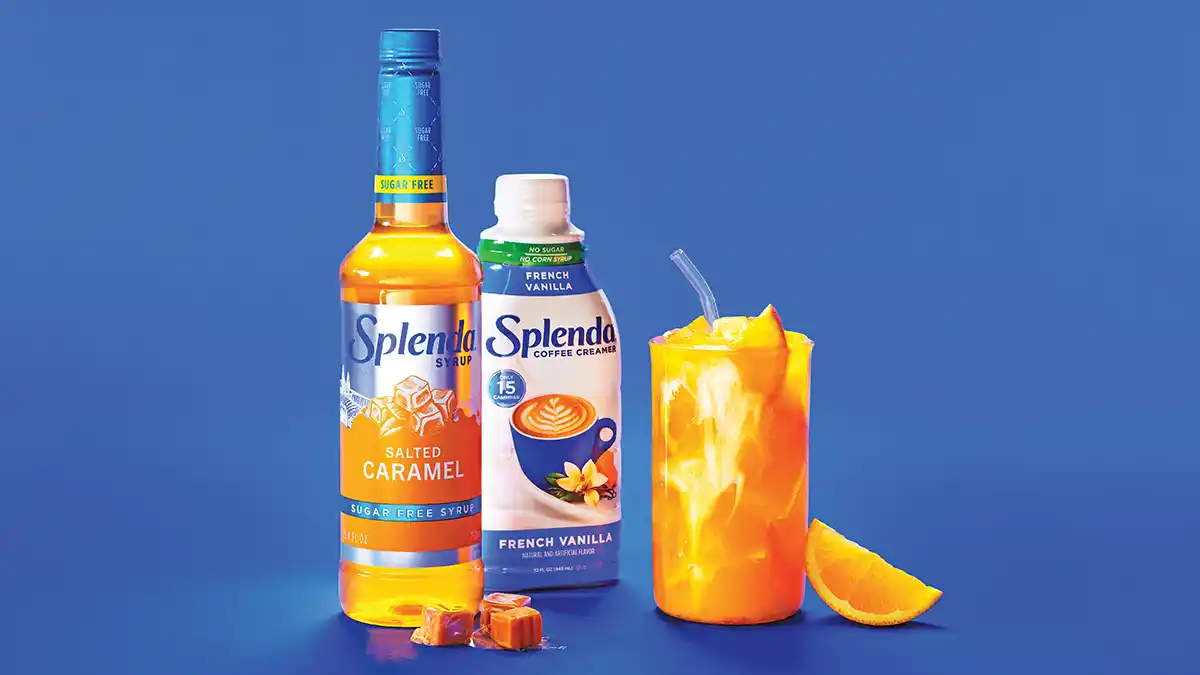
For decades, Splenda® has been a trusted name among consumers seeking sugar alternatives. Today, the company’s expanded portfolio allows operators to build comprehensive reduced-sugar beverage programs across multiple applications. Splenda® offers operators access to a complete platform that includes tabletop packets, sticks, granulated sweeteners, Stevia sweeteners, sugar-free coffee syrups, and creamers. Together, these products allow operators to provide consistency, customization, and recognizable branding throughout their beverage offerings.
Beyond guest-facing benefits, Splenda® solutions can also simplify operations. Rather than managing multiple suppliers and unrelated products, operators can leverage a unified beverage platform that supports inventory management, staff training, and execution consistency. “From an operational standpoint, Splenda® helps simplify inventory, training, consistency, and guest satisfaction,” Rhetts concluded. “Operators gain access to trusted products that support reduced-sugar beverage strategies while maintaining the flavor and quality guests expect.”
As consumer preferences continue to evolve, beverage programs will increasingly serve as a key differentiator for restaurant and foodservice operators. The ability to provide flavorful, customizable, reduced-sugar options is no longer limited to healthcare settings or specialty concepts. It has become an expectation across virtually every segment of foodservice.
Operators that proactively address this demand can strengthen guest satisfaction, improve menu relevance, and position themselves for long-term success. By evaluating current beverage offerings, expanding customization opportunities, and incorporating trusted solutions such as Splenda®, foodservice operators can upgrade beverage programs to meet the needs of today’s guests while preparing for tomorrow’s marketplace.
Restaurant operators, foodservice directors, distributors, and dealer partners interested in learning more about Splenda® foodservice products, recipes, menu development support, and reduced-sugar beverage solutions can visit https://heartlandawayfromhome.com to connect with their local Splenda® sales representative, or work through their distribution partners to explore solutions for building a successful low- or no-sugar beverage program.