Yellow vegetables cover a surprisingly wide range of produce, from crisp peppers and sweet corn to hearty roots and heirloom varieties. Some are naturally sweet, others earthy or peppery, but together they create one of the most visually cheerful groups in the produce aisle.
Their bright shades usually come from carotenoids and xanthophyll pigments, the same compounds responsible for many golden and yellow foods found throughout nature. From quick weeknight cooking to slower comfort dishes, yellow vegetables bring color, texture, and plenty of nutrients to the table.
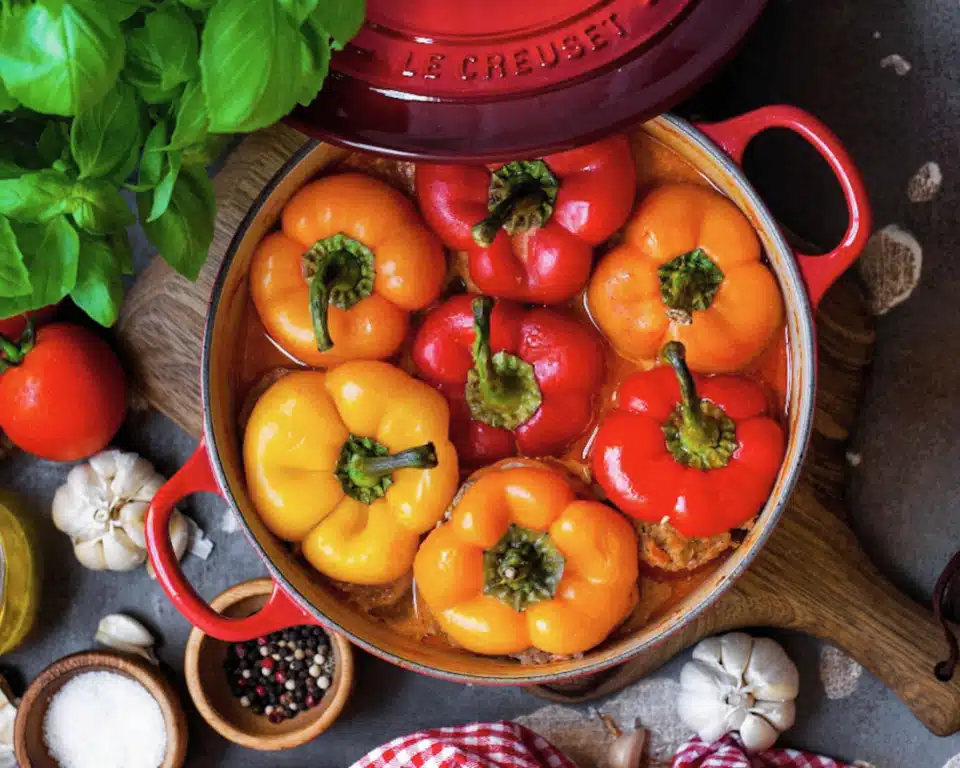
Yellow bell peppers have thick, crunchy walls and a mild, naturally sweet flavor. Like other sweet peppers, they are particularly rich in vitamin C, while their bright color comes from carotenoids. They lack much of the herbaceous bite found in green peppers, making them especially good raw in salads or snack platters.
They are key ingredients in a variety of delicious dishes, from stuffed peppers in tomato sauce and sautéed peppers with cheese to chicken stir fry noodles and bell peppers.
Yellow potatoes are medium-starchy potatoes known for their buttery flavor and smooth golden flesh. Their texture sits comfortably between waxy and fluffy varieties, making them versatile enough for roasting, mashing, boiling, or baking. Roasted at high heat, they develop especially crisp skins. Like other potatoes, they provide potassium, vitamin B6, and complex carbohydrates that make them especially satisfying.

Yellow tomato varieties are often lower in acidity than many red tomatoes, giving them a sweeter, gentler flavor profile. Their softer acidity makes them popular for fresh eating and lighter sauces. While they contain less lycopene than many red tomatoes, they still provide vitamin C and a variety of carotenoid pigments. Sliced raw, they bring beautiful contrast to salads and caprese platters.
A summer staple, yellow squash has tender flesh and a mild, buttery flavor that adapts easily to different cooking methods. Its yellow color comes largely from carotenoids, including lutein and zeaxanthin. Because both the skin and seeds remain soft, very little prep is needed before cooking. It works especially well grilled, sautéed, roasted, or shredded into fritters.

One of the world’s most important food crops, sweet corn is prized for its juicy kernels and natural sweetness. In addition to fiber and several B vitamins, yellow corn contains lutein and zeaxanthin, carotenoids that contribute to its golden color. It can be cooked on the cob, stirred into salads, or simmered into chowders and soups. Dried corn also forms the basis for foods like polenta, grits, and cornbread.
Yellow-fleshed sweet potatoes tend to have a firmer, drier texture than orange varieties. Their sweetness is gentler and starchier, making them easy to use in both savory dishes and desserts. Like other sweet potatoes, they contain carotenoids that the body can convert into vitamin A. They hold their shape especially well in curries, roasted dishes, and stews.

A true kitchen staple, yellow onions provide the aromatic base for countless dishes around the world. Raw, they have a sharp bite thanks to their sulfur compounds, but slow cooking transforms them into something much sweeter. Their versatility makes them one of the most commonly used vegetables globally. If you want to showcase this vegetable as the main ingredient, you won’t go wrong with a delicious French onion soup, or a homemade onion focaccia.
Varieties such as banana peppers and Hungarian wax peppers bring bright color along with flavors ranging from mild to moderately spicy. Their crisp texture and slight tang work particularly well with rich meats and cheeses. Like other chili peppers, they provide vitamin C and capsaicin, the compound responsible for their heat. They are commonly pickled, sliced over pizzas, or added to sandwiches and wraps.
Golden beets bring the same earthy sweetness as red beets while greatly reducing the staining that comes with darker varieties. Their lighter color makes them easier to pair with delicate ingredients and lighter-colored dishes. They provide folate, fiber, and potassium, which are all great additions to your diet. Roasting enhances their sweetness particularly well.
Botanically similar to green beans, yellow wax beans simply develop pale yellow pods instead of green ones. Their flavor is mild, slightly nutty, and a little sweeter than many green varieties. Quick blanching or simple sautéing helps preserve their texture best. They also contribute fiber, vitamin C, and small amounts of plant protein.
Yellow cassava develops a deeper golden color and slightly nuttier flavor than white varieties. The color comes from carotenoids, including beta-carotene, which are largely absent from many white cassava varieties. Like all cassava, it must be peeled and fully cooked before eating. It works well boiled, fried, mashed, or turned into crispy chips.

Yellow carrots have been cultivated for centuries and tend to have a milder, sweeter flavor than orange varieties. Their bright color comes from pigments called xanthophylls rather than the beta-carotene that dominates orange carrots. They roast beautifully, hold their color well during cooking, and add contrast to salads, soups, and roasted vegetable dishes.
Heirloom yellow eggplants have smooth skins and firm flesh with relatively mild flavor. They tend to contain fewer seeds and slightly less bitterness than many purple varieties. Like other eggplants, they provide fiber and antioxidant compounds concentrated largely in the skin. Their dense texture makes them particularly good for grilling and roasting.
Made by splitting dried field peas, yellow split peas cook down into creamy, thick textures without needing pre-soaking. Their mild flavor makes them ideal for soups, purées, and stews. Rich in plant protein, fiber, and folate, they are among the most nutritious pantry staples available.
Some yellow-fleshed turnip varieties, including rutabagas, develop dense interiors with mild sweetness and subtle peppery notes. Cooking softens their sharper flavors considerably. As members of the brassica family, they provide fiber, vitamin C, and beneficial plant compounds. They work especially well mashed, roasted, or simmered into hearty dishes.

This knobby rhizome is valued worldwide for its sharp, warming flavor and fresh citrusy aroma. It acts as a flavor base in countless savory dishes, drinks, desserts, and baked goods. Beyond its culinary appeal, ginger contains aromatic compounds such as gingerol that contribute to its distinctive flavor and long-standing reputation in traditional cooking.

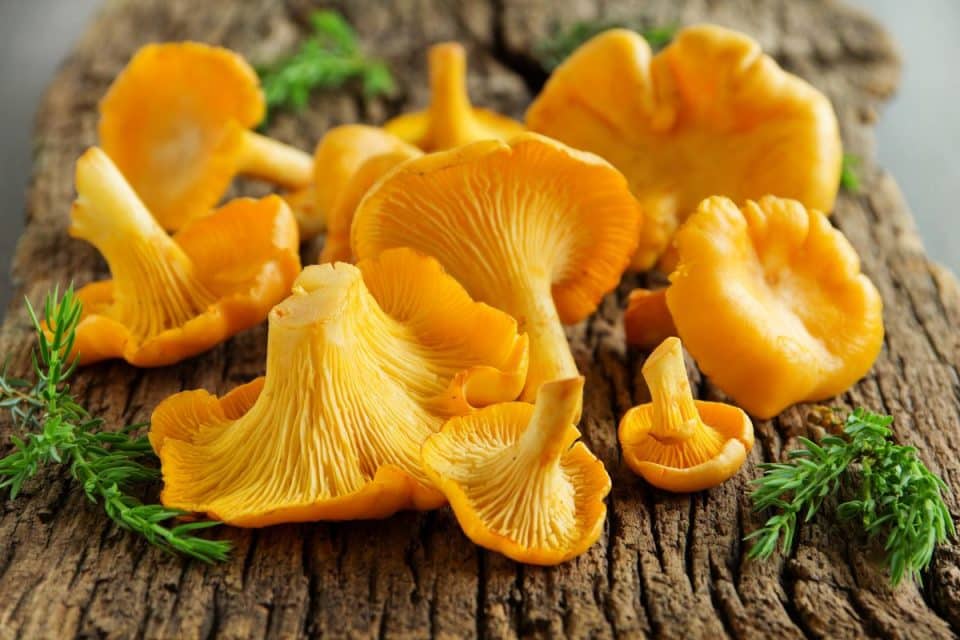
Mushrooms aren’t technically vegetables from a botanical perspective, but they’re generally treated as vegetables in the kitchen. That’s why we’ve included a yellow mushroom variety on this list. These trumpet-shaped mushrooms range from pale yellow to rich golden tones and are prized for their firm texture and distinctive aroma. Many people describe their flavor as earthy with subtle fruity notes. They are usually cooked simply to preserve their delicate flavor, making a great addition to dishes like seabass with cauliflower purée. Like many mushrooms, they provide fiber, B vitamins, and a variety of minerals.
Please let us know in the comments section below (or by email) if we missed any of your favorite yellow vegetables.
Related: 35 Green Vegetables for Salads, Soups and Sides
Related: 13 Pink Vegetables to Brighten Your Plate
Related: Discover These 20 Tasty Yellow Fruits
Related: 21 Red Vegetables Packed with Flavor
Related: 15 Brown Vegetables You Should Know