Some squash turn silky when puréed, others become fluffy and almost potato-like, and one separates into spaghetti-like strands. Pumpkins belong to this wider squash family, too, with cooking varieties offering much more than a seasonal decoration. Understanding those differences makes it easier to choose the right one for a soup, a tray of roasted vegetables, or a homemade pie.
This guide covers 15 useful types and groups, from familiar butternut and zucchini to Japanese kabocha and Australian Jarrahdale. Alongside their flavor and texture, you’ll find practical cooking ideas, suggested pairings, and a few recipes to put them to work.

Best for: Soups, roasted wedges, curries, and stews.
Pairs well with: Sage, brown butter, warming spices, and aged cheeses.
Butternut is a useful all-rounder when you want one squash that can handle several different dishes. Its flesh is smooth, sweet, and lightly nutty, becoming more caramelized when roasted. It blends readily into soup but can also be cut into pieces for curries and stews.
Its versatility is the main attraction: roast it for a salad, simmer it with lentils, or purée it into a warming soup. Sage and brown butter bring out its savory side, while cinnamon, ginger, and nutmeg complement its sweetness.
Recipes to try: Butternut Squash Soup with Star Anise, Spinach & Butternut Squash Salad w/ Crispy Prosciutto, Red Lentil Dahl w/ Butternut Squash & Cinnamon

Best for: Stuffed roasted halves.
Pairs well with: Wild rice, mushrooms, apples, pecans, thyme, and maple syrup.
Acorn squash earns its place in the kitchen as a ready-made bowl for stuffing. Its ridged, acorn-like shape and generous seed cavity suit roasted halves filled with wild rice, mushrooms, sausage, or apples.
The flesh is relatively mild and a little more fibrous than butternut, making it a good companion to a flavorful filling rather than something that needs to dominate the dish. Take it in a savory direction with rosemary and mushrooms, or emphasize its gentle sweetness with maple syrup, pecans, and dried cranberries.
Best for: Roasted rings, grain bowls, and autumn salads.
Pairs well with: Goat cheese, pomegranate, sage, brown butter, and bitter greens.
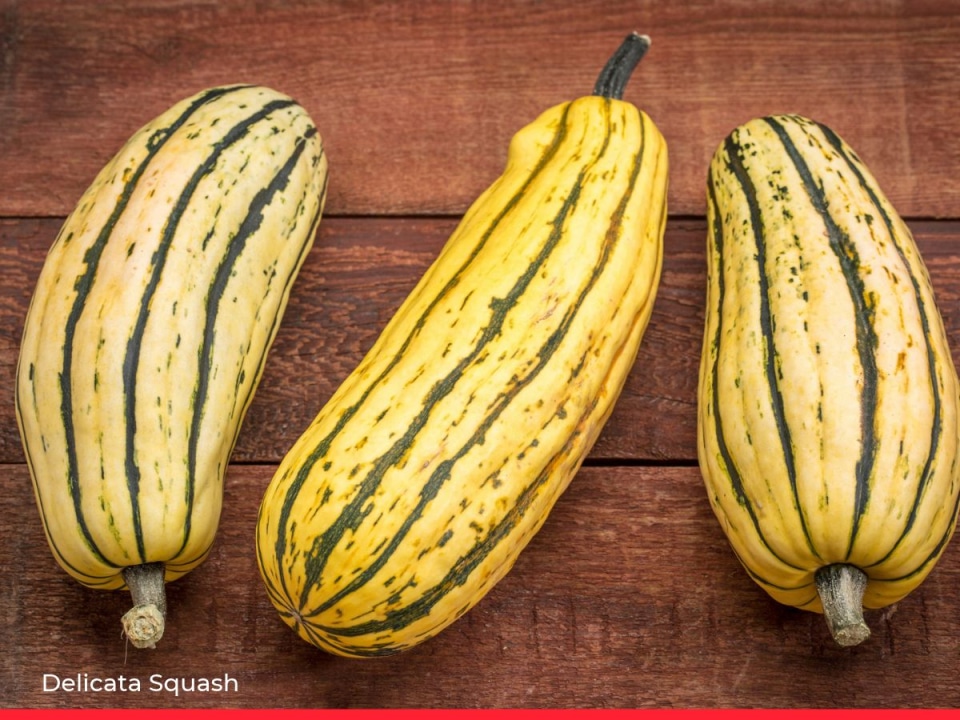
Delicata’s biggest advantage is simple: there’s no need to peel it. Its thin skin softens during cooking, making it an appealing choice when you want roasted squash without much preparation.
Cut it into rings or half-moons and roast until the edges color and the flesh becomes creamy. Its sweetness, reminiscent of sweet potato, works particularly well against something sharp or bitter. Try it with goat cheese and pomegranate, or add roasted slices to a grain bowl with arugula.
Recipes to try:
Best for: Tempura, simmered dishes, and thick soups.
Pairs well with: Miso, dashi, sesame, soy sauce, and warming spices.
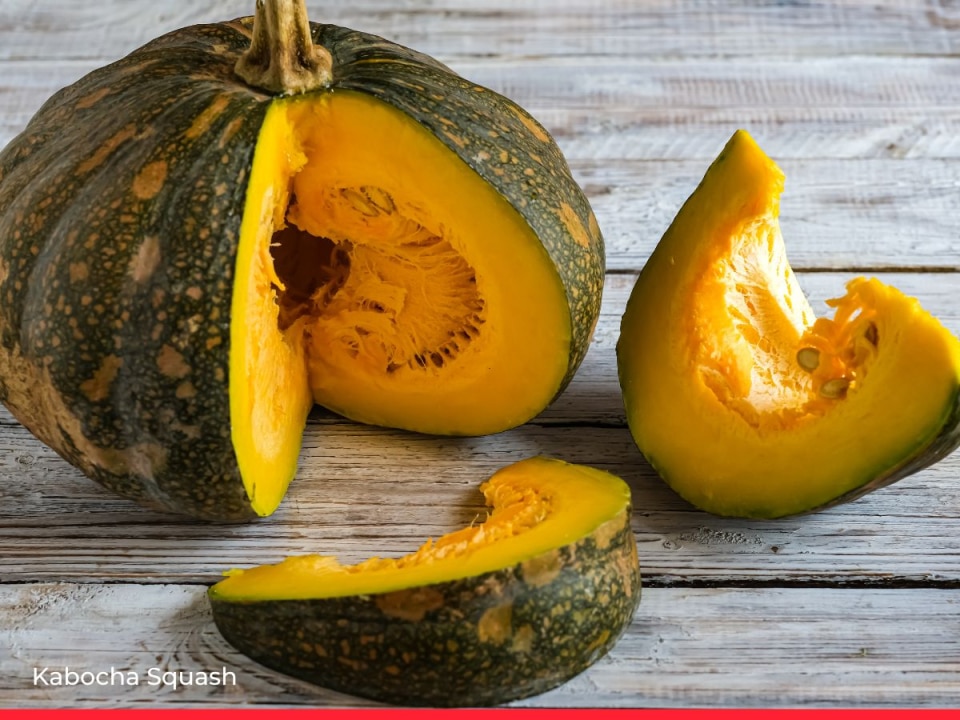
Kabocha stands out for its dense, dry, starchy texture, rather than simply its sweetness. This Japanese pumpkin is often compared with sweet potato and chestnut, and it behaves differently from a moister squash such as butternut.
That texture makes it especially useful for tempura and Japanese simmered dishes, where pieces of squash are as important as the surrounding sauce or broth. It also produces a thick soup without necessarily needing cream. The skin is often left on in Japanese preparations.
Recipes to try:
Best for: Vegetable strands with flavorful toppings.
Pairs well with: Tomato sauce, pesto, brown butter, sage, and meat sauces.
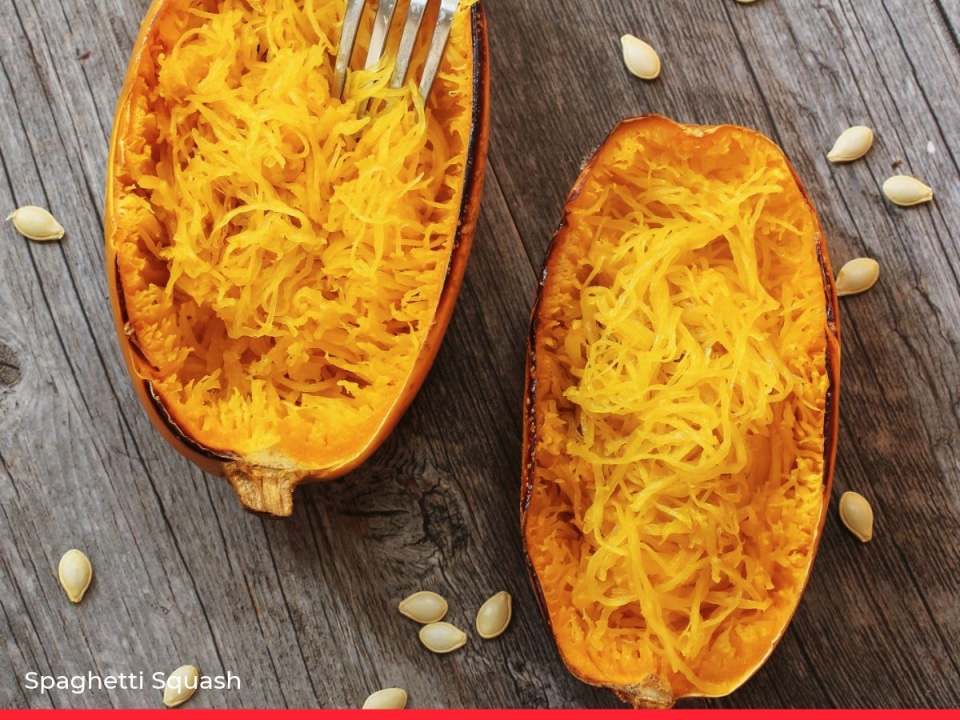
Spaghetti squash is the choice when you want strands, not chunks or purée. Once cooked, its flesh can be scraped with a fork into pale, noodle-like threads with a mild flavor and a little bite.
Think of it as a vegetable base for a sauce rather than a direct replacement for every pasta dish. Marinara, pesto, and meat sauces give its subtle flavor some direction. Because the cooked strands can hold quite a lot of moisture, let excess liquid drain away before adding a sauce.
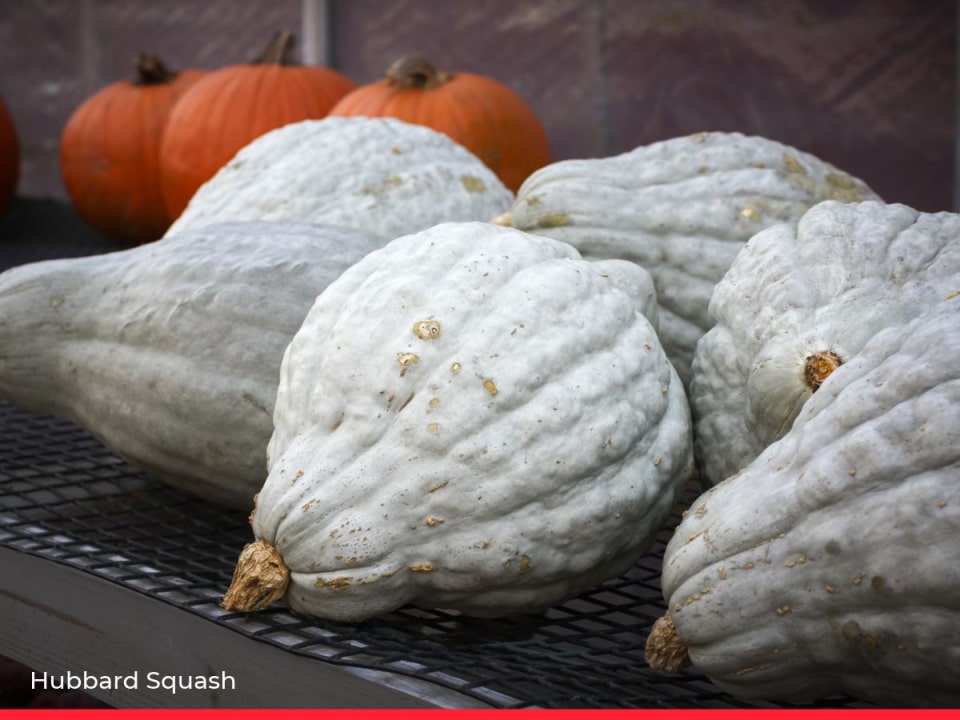
Best for: Batch cooking, soups, purées, and pies.
Pairs well with: Brown butter, maple syrup, warming spices, and sharp cheese.
Hubbard is worth considering when you need plenty of squash for a large batch of soup or purée. Larger types, including Blue Hubbard, have a substantial, hard shell that makes preparation more demanding than it is with smaller squash. Size and texture vary between varieties, so not every Hubbard is an enormous specimen.
The flesh works well in soups, pies, and roasted preparations. For home cooks, buying a cut section is often the more manageable approach: you get the cooking potential without having to tackle the whole squash.
Best for: Gratins, smooth soups, and roasted wedges.
Pairs well with: Chestnuts, thyme, cream, Gruyère, and nutmeg.
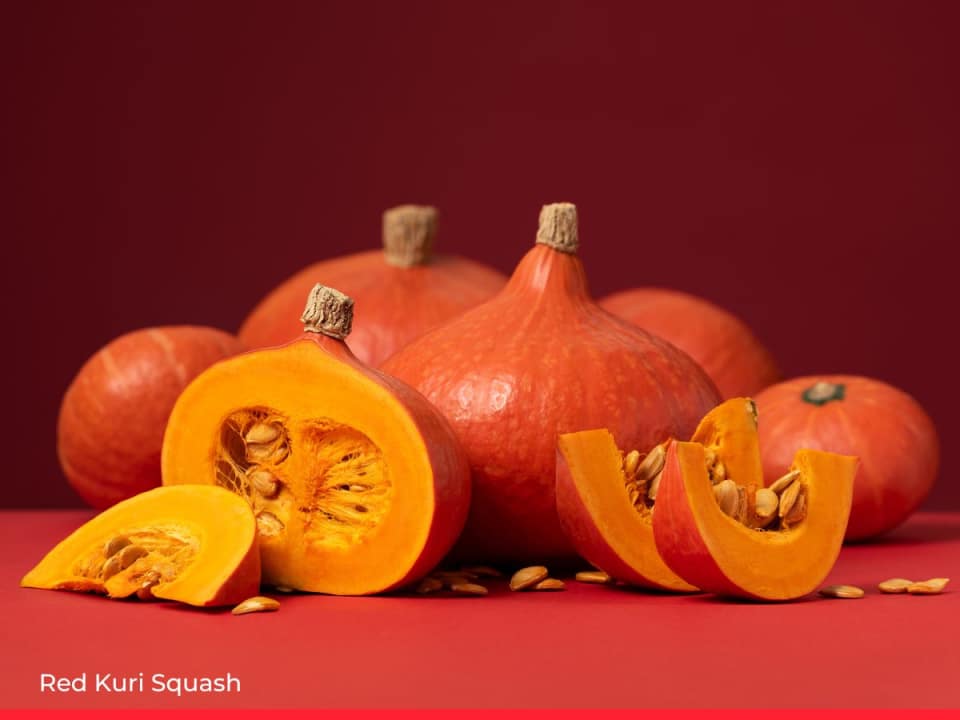
Red Kuri is recognizable by its red-orange skin and rounded, teardrop-like shape. Inside, the flesh is smooth and sweet, with a gently chestnut-like flavor that works particularly well in savory dishes.
It is a good choice for a squash gratin or a soup where you want the squash itself to provide most of the body. Its skin can be eaten once cooked, which also makes roasted wedges a practical option. Pair it with thyme and Gruyère for a gratin, or chestnuts and cream for a richer preparation.
Recipes to Try: Pumpkin Walnut Bread
Best for: Roasted halves and individual side dishes.
Pairs well with: Brown butter, miso, tahini, thyme, and rosemary.
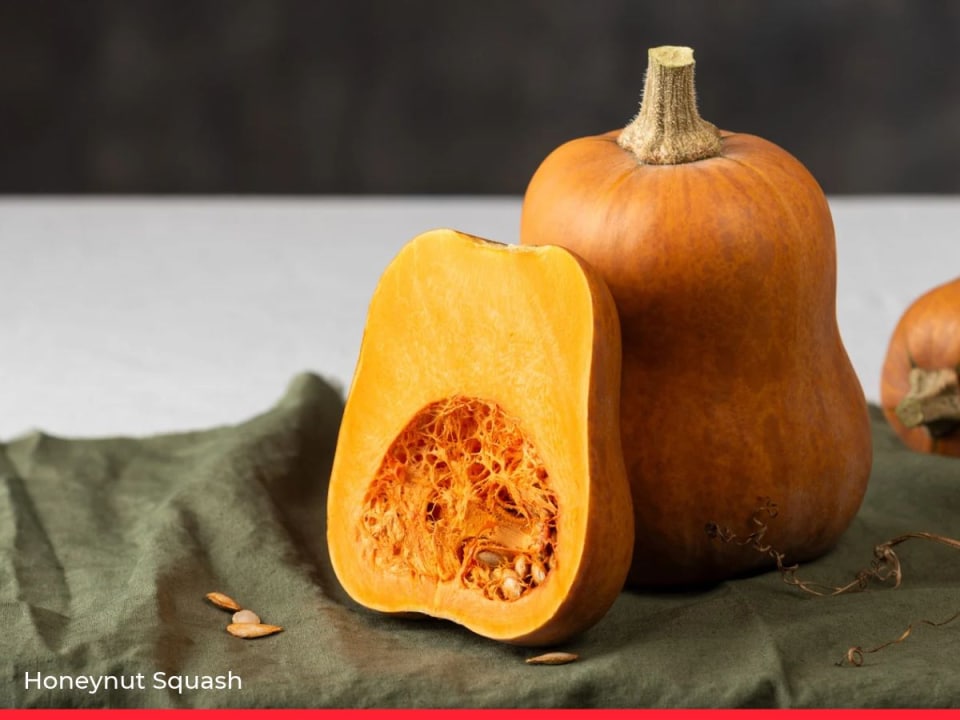
Honeynut offers a small-scale alternative to butternut, with a particularly sweet flavor and a size that lends itself to individual portions. Its appeal is not just that it is small: a roasted half can become the centerpiece of a side dish rather than another tray of squash cubes.
Roast it with the thin skin on and keep the finishing ingredients simple. Brown butter emphasizes its richness, while miso or tahini offers a savory contrast. Fresh thyme or rosemary helps keep the result from leaning too sweet.
Best for: Pumpkin purée, pies, breads, and soups.
Pairs well with: Cinnamon, ginger, nutmeg, cloves, maple syrup, and cream.
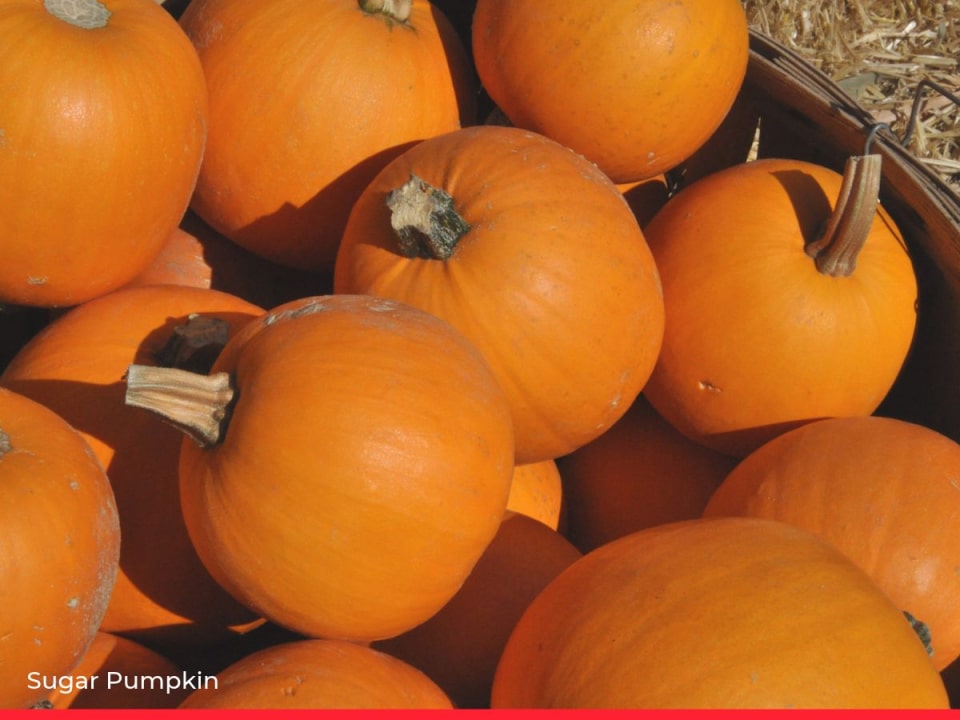
For homemade pumpkin purée, look for a small cooking pumpkin rather than choosing mainly for carving size or appearance. Sugar pumpkins, often sold as pie pumpkins, generally have sweeter, smoother, less watery flesh than large pumpkins grown primarily for decoration.
Their main advantage is in baking: the cooked flesh makes a useful base for pies and pumpkin bread. They are not limited to desserts, though. The same purée can become a soup, while pieces of pumpkin work in curries.
Recipe to try: Pumpkin Pie, which starts with roasting and puréeing a small pumpkin, this creamy Baked Pumpkin Risotto or Chocolate Pumpkin Mousse Cake.
irs well with butter, brown sugar, warming spices, and cream. Its revival in recent years alongside broader interest in heirloom vegetables has made it more findable at farmers markets and specialty grocers in autumn.
Best for: Gratins, soups, and slow-cooked dishes.
Pairs well with: Olive oil, garlic, thyme, cream, and aged cheeses.
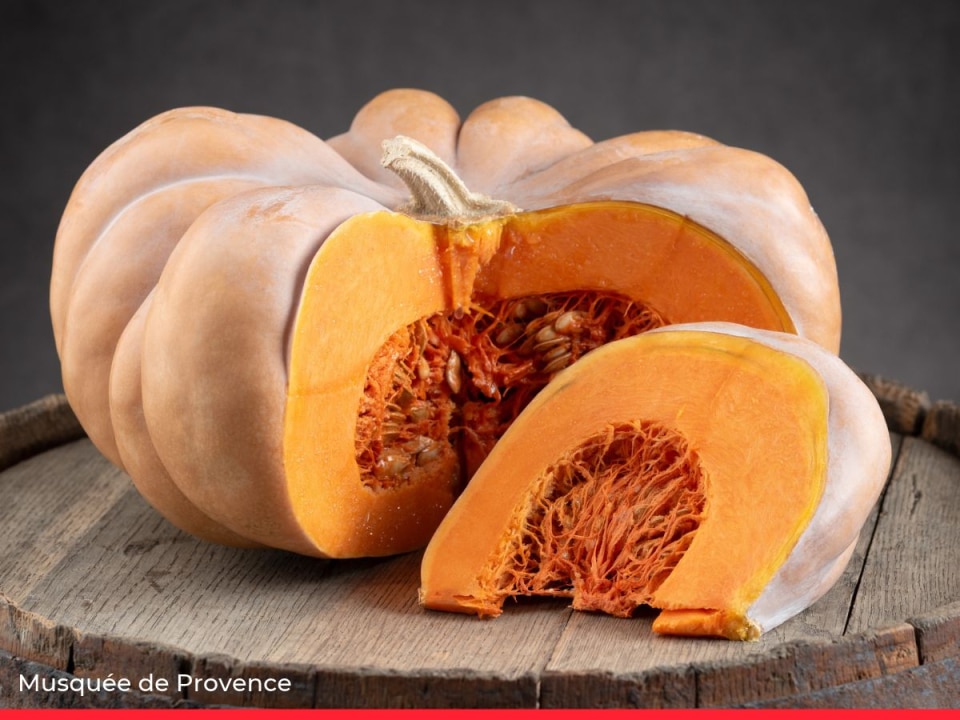
Musquée de Provence brings a different kind of pumpkin to the table: large, flattened, and deeply ribbed, with tan-to-terracotta skin and vivid orange flesh. This French heirloom has a dense texture and a rich sweetness that suits savory cooking as well as puréeing.
Because of its size, a wedge may be a more practical purchase than a whole pumpkin. Use it in a gratin with aged cheese, simmer it into soup, or cook it slowly with olive oil, garlic, and thyme. Its flavor gives these straightforward preparations plenty of character.
Recipe to try: Pumpkin Cream Soup with Saffron & Melting Chestnuts by French Michelin-starred Chef Anne-Sophie Pic.
Best for: Roasted wedges, concentrated purées, soups, and pies.
Pairs well with: Brown butter, sage, cream, warming spices, and robust cheeses.
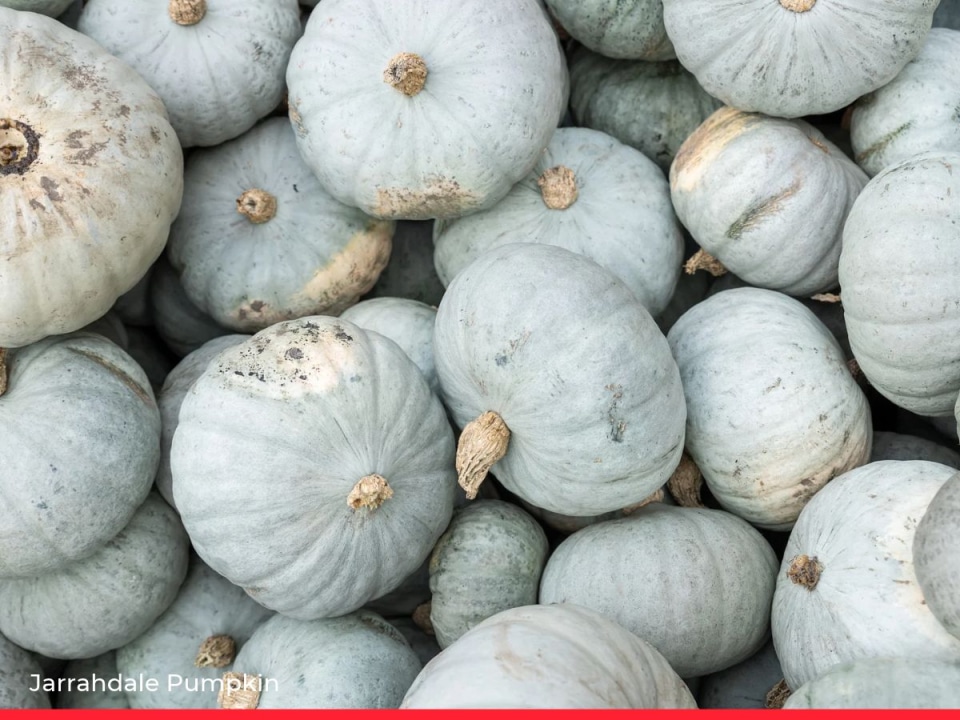
Jarrahdale’s blue-grey skin is striking, but its culinary appeal lies in the relatively dry, dense orange flesh underneath. This Australian pumpkin has a sweet, earthy flavor and holds its shape well when roasted in wedges.
It is also useful when you want a rich purée without an overly watery texture. Roast it as a substantial side dish or use the cooked flesh in soup and pies. Brown butter and sage are natural partners, while stronger cheeses provide a savory counterpoint.
Best for: Grilling, sautéing, pasta, frittatas, and baking.
Pairs well with: Lemon, garlic, basil, Parmesan, and tomatoes.

Zucchini is the flexible everyday option: mild enough to work with many ingredients and tender enough for relatively quick cooking. Grill it in slices, sauté it for a side dish, or incorporate it into pasta, frittatas, and baked goods.
Its high water content is the main thing to consider. In dishes where excess moisture would be a problem, follow the recipe’s instructions for salting or draining rather than treating that step as optional. For simple preparations, garlic, lemon, basil, and Parmesan give its gentle flavor a lift.
Recipe to try: Homemade Zucchini Gnocchi in Rustic Tomato Sauce, made with zucchini and ricotta, these Creamy Zucchini Orecchiette, Zucchini Bread with Garlic Labneh, Deep Fried Zucchini with Greek Yogurt Sauce.
Best for: Quick vegetable sides, grilling, and summer vegetable mixes.
Pairs well with: Corn, tomatoes, basil, butter, feta, and lemon.
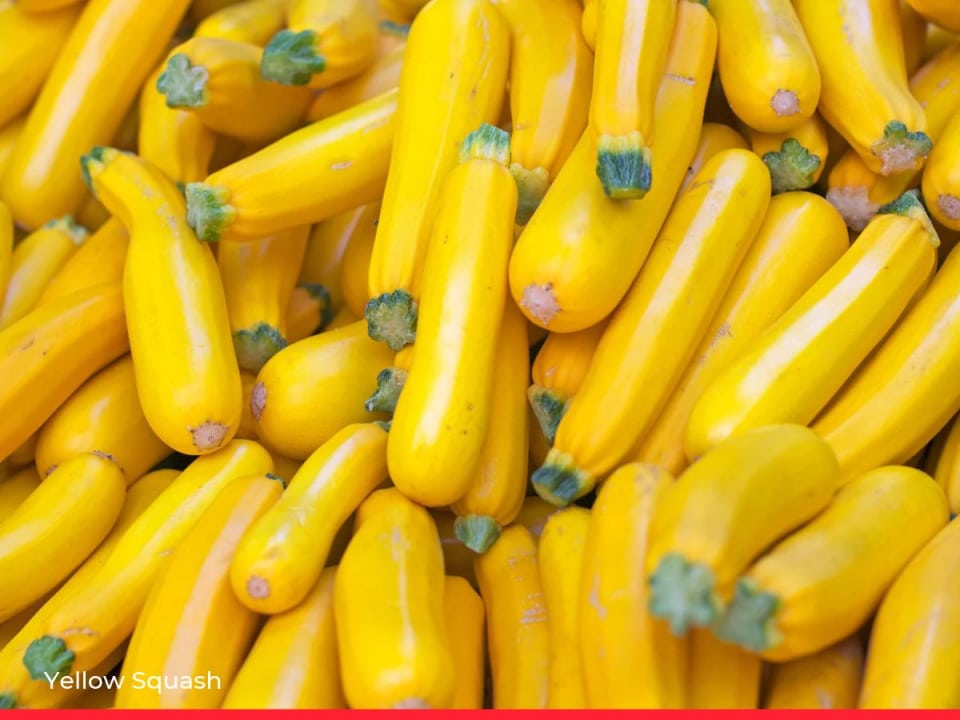
Yellow summer squash includes both straightneck and crookneck types. The names describe the difference in shape; crookneck has the characteristic curved neck and may also have a bumpy surface. For a cooking guide, they make sense together because their uses overlap considerably.
Both suit simple preparations that make the most of their mild, gently sweet flavor. Sauté sliced squash with butter and herbs, grill it alongside zucchini, or combine it with corn and tomatoes. Younger specimens are the better choice when you want tender skin and flesh.
Best for: Stuffing, roasting, and grilling.
Pairs well with: Goat cheese, fresh herbs, lemon, breadcrumbs, and light cream sauces.
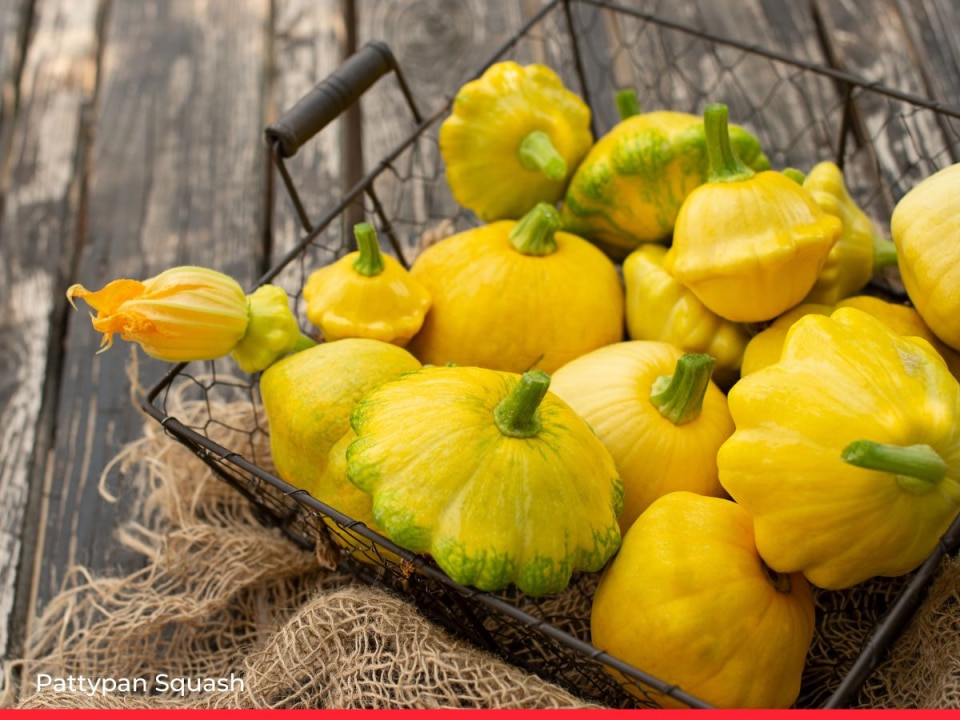
Pattypan’s scalloped, flying-saucer shape makes it easy to recognize. It comes in yellow, white, and green forms, with a delicate flavor and a texture that lends itself to roasting and stuffing.
Its shape gives it a different role from a long zucchini: use individual squash as small vessels for cheese, herbs, and breadcrumbs, or halve them for grilling. Smaller, younger pattypans are more tender than large, mature ones, so choose according to the preparation rather than simply buying the biggest.
Best for: Stuffed squash and gently simmered preparations.
Pairs well with: Rice, lamb, tomatoes, allspice, cinnamon, pine nuts, and mint.
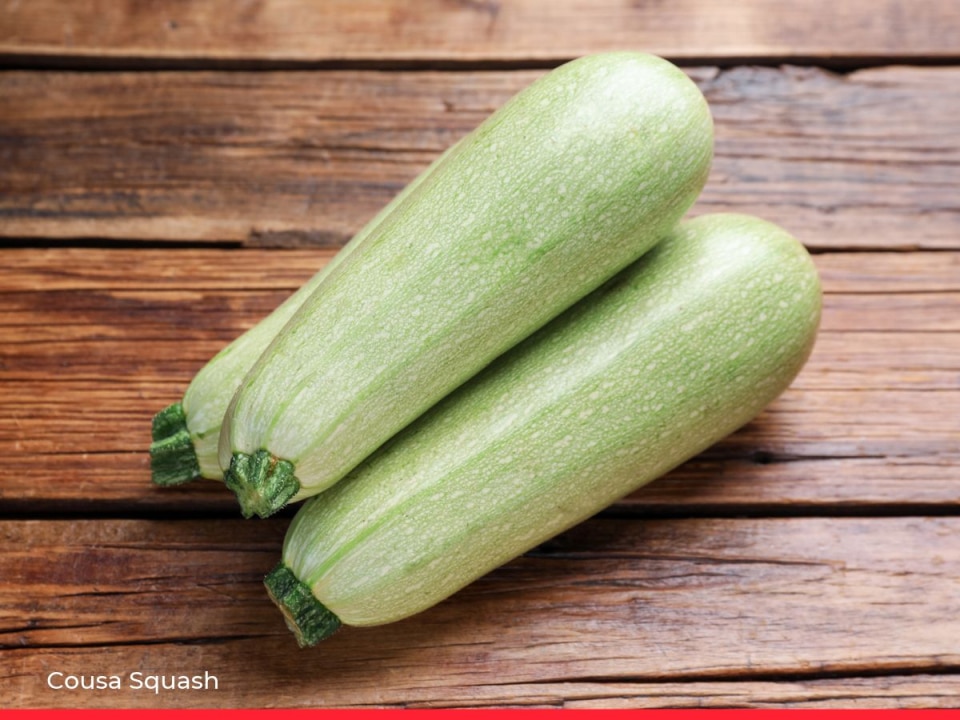
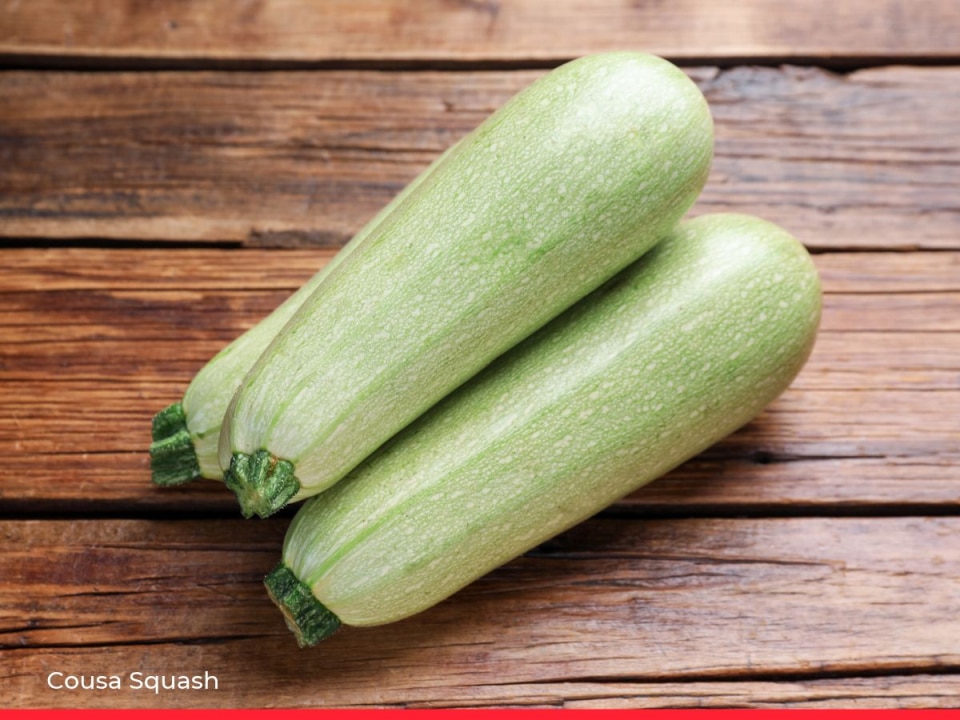
Short, pale-green cousa-type squash are associated with Middle Eastern cooking and are particularly useful for stuffing. Rather than referring to one specific heirloom cultivar, “cousa” describes a type that includes different varieties.
A signature preparation is kousa mahshi, in which hollowed-out squash are filled with spiced rice and meat, then simmered until tender. Their shape and relatively dense flesh make them suited to this kind of cooking, where the squash needs to hold its filling while absorbing the surrounding flavors.
Related: 35 Types of Honey: Flavors, Origins & How to Use Them
Related: 11 Types of Millet: Flavors, Textures, and How to Use Them
Related: 23 Types of Rice and When to Use Them
Related: Types of Steak Cuts Explained by a Chef
Related: 15 Types of Edible Mushrooms