This Chattanooga restaurant sells mezcal distilled with chicken

3 Min Read
Little CoyoteLittle Coyote
There’s a rather obscure corner of the world of agave spirits where meat is part of the distillation process.
For pechuga mezcal, a whole chicken, or sometimes other meat, is hung in the still during the third distillation, cooking the meat and allowing the juices to drip into the alcohol.
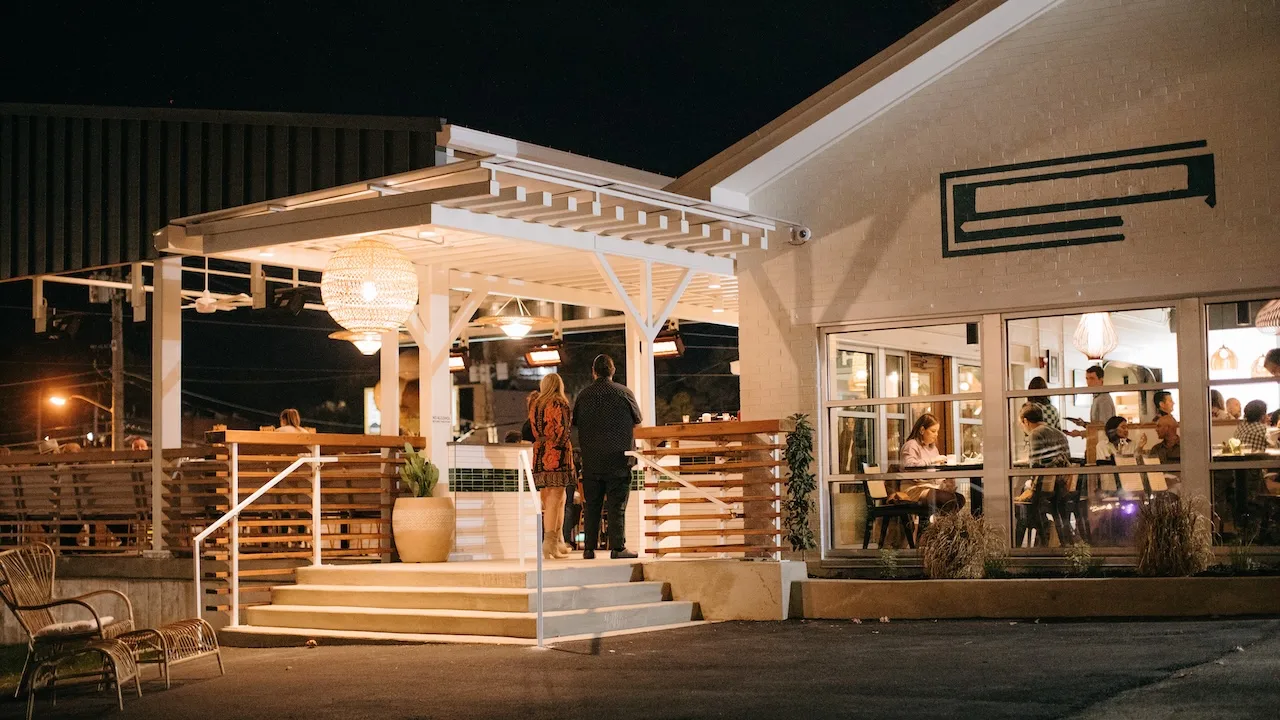
“I don’t know of any other distillate that involves protein,” said Erik Niel, chef and co-owner of Little Coyote in Chattanooga, Tenn., where pechuga mezcals are a cornerstone of the beverage program.
The restaurant itself, which opened in late 2023, offers Texas-style barbecue and house-made tortillas, both of which go nicely with agave spirits. Niel and his wife, Amanda, also operate Easy Bistro & Bar and Main Street Meats, where the bar programs are focused on brown spirits. But visits to Oaxaca, Mexico, turned him on to agave spirits in general and mezcal in particular.
As he delved into pechuga thanks to some sharp liquor salespeople, he saw a way to win over customers and encourage Chattanooga’s many bourbon fans to try something new.
“Fascination with the process led me to taste it, which led me to buy it, which led me to put it on the bar,” he said.
It turns out that pechuga mezcal is now made with a variety of hanging proteins, from rattlesnake to jamón Ibérico, along with fruits, nuts, and spices in the liquid itself, similar to how botanicals are used in gin.
Niel’s even had mezcal made with mole-spiced chicken.
Does it taste like chicken?
“I think if you’re tasting a pechuga and in your mind you want it to taste like that thing, you’re going to make that leap,” Niel said.
But it doesn’t really; it’s more a question of mouthfeel.
“The texture might have a little more glycerol kind of fattiness to it,” he said. “There’s no fat in it, because it’s distilled, but there’s a component that varies from sanguine to fatty to rich.”
Niel sells them at a premium, but not a super-premium: Anywhere from $8 to $20 per ounce, depending on what he pays for them.
“The great thing is, unlike whiskey, it’s not going to be $100 an ounce. There’s amazing mezcal for $140 in the store, but that’s kind of where it tops out; there’s no $1,000 bottles of mezcal that I know of.”
He doesn’t have a lot of pechuga on-hand for logistical reasons.
“I wouldn’t say we have a large pechuga program by any means, because there’s not a ton of them out there,” he said. “The beautiful thing, and hard thing, about mezcals is that they’re only in small batches when they’re made like this. So there’s not one that’s just constantly on the back bar. At any given time we may have two or three of them, but they don’t last long.”
That scarcity, and their point of differentiation, make them a great sales tool, Niel said.
“Servers and bartenders can make pitches to guests all the time, and sometimes it just comes off like Charlie Brown’s teacher — just sort of background noise. But generally when you get a pechuga conversation going and somebody bites, or they at least tune in, you’ve at least got them for four or five seconds.”
And then putting the drink in front of them does the rest of the work.
“We’re not buying bad pechugas, so when we put it down on the table, it tastes good,” Niel said.
“At that point, we’ve built a modicum of trust, and then with the next step we can build a little bit more … and the next thing, we’ve got a customer who believes we know what we’re talking about, and that we’ll take care of them, and we’re practicing hospitality.”
Contact Bret Thorn at [email protected]
Follow him on TikTok and Instagram: @foodwriterdiary