Sweetgreen’s same-store sales and traffic turned positive in October, marking a turning point that indicates turnaround efforts are taking hold.
Same-store sales in the September 27-ended third quarter were down 6.4%, including a 4.9% decline in traffic and a 2.1% decrease in product mix that was partially offset by a 0.6% benefit from menu price increases.
But that comparable sales decline largely reflected the 500-basis-point hit to traffic from the cyclospora outbreak earlier this year. Sweetgreen was not implicated in the outbreak, but consumers shied away from salad and fresh produce for several weeks.
Once that issue left the headlines, Sweetgreen’s momentum began to build, resulting in same-store sales growth of 5% in October, including traffic up 4%, said CEO Jonathan Neman.
For the fourth quarter, the chain expects transaction growth of about 4%. Same-store sales are expected to increase 4%, including about 3% in price increases. Because the chain took prices down on some items this year, the full-year contribution from menu prices is expected to be about 1%.
“There’s a lot more work to do, but this quarter offers meaningful encouragement that our strategic priorities are starting to translate into better performance,” Neman said during the earnings call on Thursday.
As a result, Sweetgreen upped its guidance for the year, saying the chain now expects same-store sales to be down 5.5%, compared with the 8% to 7% decline projected earlier this year.
The fast-casual chain is continuing its Sweet Growth Transformation Plan, announced last year, with gusto.
Next week, Sweetgreen is planning to roll out a new line of plates featuring rotisserie chicken, which are designed to build dinner traffic and attract new guests.
It has worked before. Sweetgreen launched a new protein-centric plates platform in 2023, which helped build dinner sales and drew in more male consumers. Neman said the existing plates represent about 17% of the menu mix, but the chain saw an opportunity to expand that with a new “knife-and-fork” chicken that’s about 50% bigger than the current option.
It requires more infrastructure around ovens, tools, and kitchen leadership, he said, but the brand is confident about consumer adoption. The launch will also be supported with a marketing campaign.
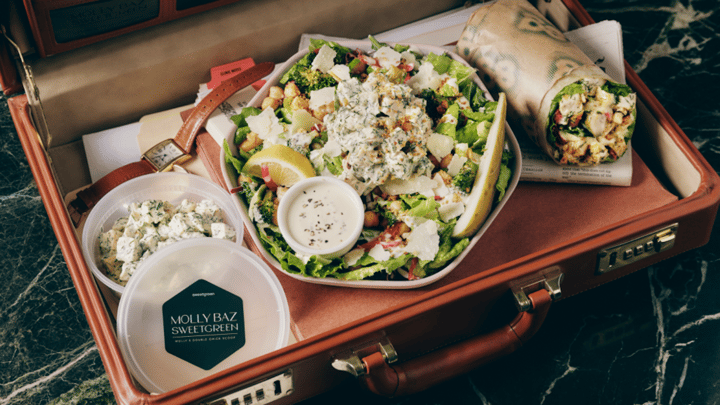
Sweetgreen’s launch of wraps this year has also helped increase frequency, particularly with existing and lapsed guests, Neman said, and more wrap innovation is coming.
A collaboration with influencer Molly Baz was a particular hit. With wrap prices starting around $10, Neman said Sweetgreen’s price-value perception is the best it has been in years.
The chain is still testing a new price architecture around customizable bowls in about 70 units. Neman said the results so far are encouraging, with guests loving the transparency. But the chain wants to study it a bit longer.
During the quarter, Sweetgreen saw three net new openings. Next year, the company is planning to slow growth a bit, with 10 net new restaurants planned — half of the rate in 2026 — though that reflects some closures expected as leases expire, Neman said. Nine restaurants closed permanently this year.
Revenues for the quarter were up 2.1% to $176 million, largely based on 30 units opened last year. The company narrowed its net loss to $30.7 million during the quarter, compared with a net loss of $36.1 million a year ago.