Starbucks sales grew last quarter, and so did profits

3 Min Read
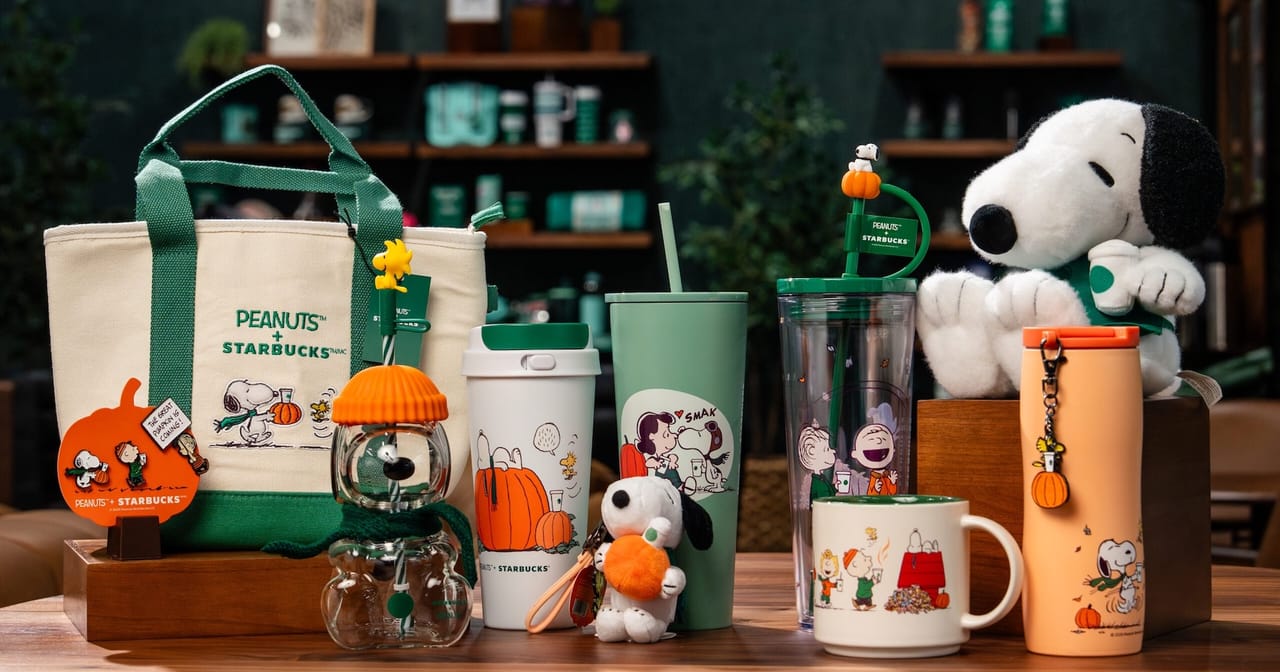
Starbucks wants to sell more merch, such as the Peanuts items it sold last quarter.Photo courtesy of Starbucks
Starbucks U.S. same-store sales rose 7.7% in the company’s fiscal fourth quarter, the company said Thursday, as customers kept visiting the chain’s coffee shops for Matcha drinks and merchandise.
Service improvements implemented over the past year, including new coffeehouse coach roles established to provide more leadership in the company’s shops, also boosted service.
Average check increased 5.2% in the quarter, while transaction count increased 2.4%.
The result also helped attracted more loyalty members. The number of 90-day active members of Starbucks Rewards reached a record 36 million in the period.
“We’re hitting on all cylinders,” CEO Brian Niccol told analysts on Thursday. “Back to Starbucks as a strategy has switched gears from a turnaround plan to a growth plan. I couldn’t be more optimistic about where we’re headed.”
Systemwide, including international markets, same-store sales rose 7.2%, the fifth straight quarter of growth.
Revenue in the quarter declined 4% to $9.1 billion, due largely to the recent sale of Starbucks China.
Earnings per share adjusted to factor out one-time events rose 54% to 80 cents. The company has long said that profitability would follow once it fixed top-line sales.
“More of our sales growth is translating into earnings,” Niccol said. “It comes down to the fundamentals. When we execute them with excellence, we grow.”
Niccol took over as CEO of Starbucks more than two years ago, vowing to rebuild the company’s reputation as a “third place” between home and work where customers can hang out.
His argument: Rebuilding the attraction of the company’s coffee shops would ultimately attract customers of all types, even if they grab their drink and leave. The results thus far, including three straight quarters of same-store sales at 7% or above in the U.S., appear to back that contention.
“Our coffeehouses are coffeehouses again,” he said. “Our partners are creating more moments of connection. Our brand is more visible, relevant, and loved.”
The company sold a lot of Matcha beverages, particularly in the afternoons, when customers were also more likely to add more food to their order. About half of the increase in average check came from customers ordering more items.
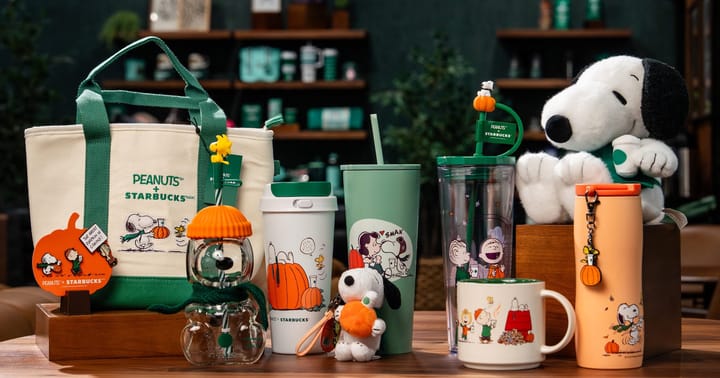
Among the items they bought: merchandise. Starbucks has recently discovered consumer love for themed merchandise. The company sold merch through a Pink Drink Vibes collection, such as a belt bag or hair clips. It also sold Peanuts-themed drinkwear and novelties to highlight its fall menu, including a glass Snoopy cup.
It’s a small part of the company’s business, Niccol said, “But Q4 showed its potential. Both our Pink and Peanuts launches contributed to ticket growth in the quarter.” He suggested the company has more such merchandise planned for the current fiscal year, including merchandise associated with the chain’s upcoming holiday menu launch next week.
Starbucks did close 247 locations in the U.S. in the quarter as the company shuttered underperforming locations. It also expects to open a more muted 100 locations this fiscal year. But executives suggested a lot more openings eventually will come.
Niccol said the company had to rebuild its pipeline and has “good visibility” into another 5,000 locations domestically. “We’ve done the market planning, we feel really good about saying we see line of sight on the 5,000 additional units,” he said.
The company also has big plans for the coming year on the technology front. That includes AI to help input orders in the drive-thru and free baristas to interact with consumers. It also includes new staffing, scheduling, and a point-of sale system.
“If you can improve throughput, a lot of good things happen from there, both from the topline and the bottom line,” Niccol said. “The whole rationale is to give a better customer experience and also a better partner experience.”
Read more about: