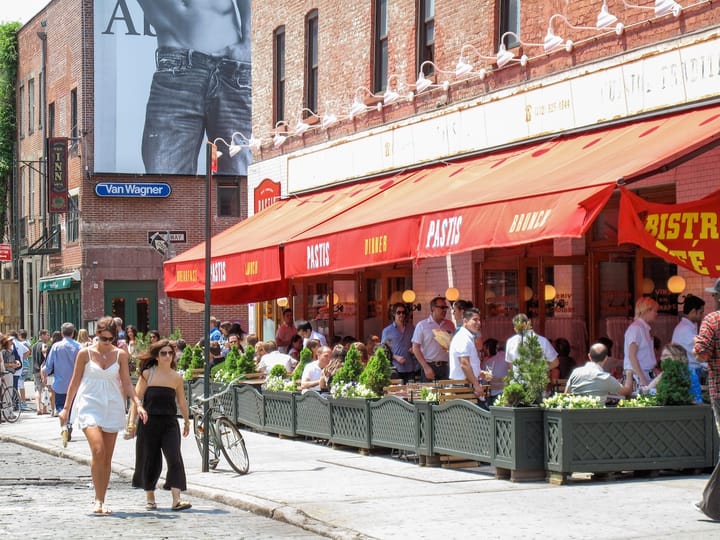
Busy restaurants have a positive effect on neighboring businesses

2 Min Read
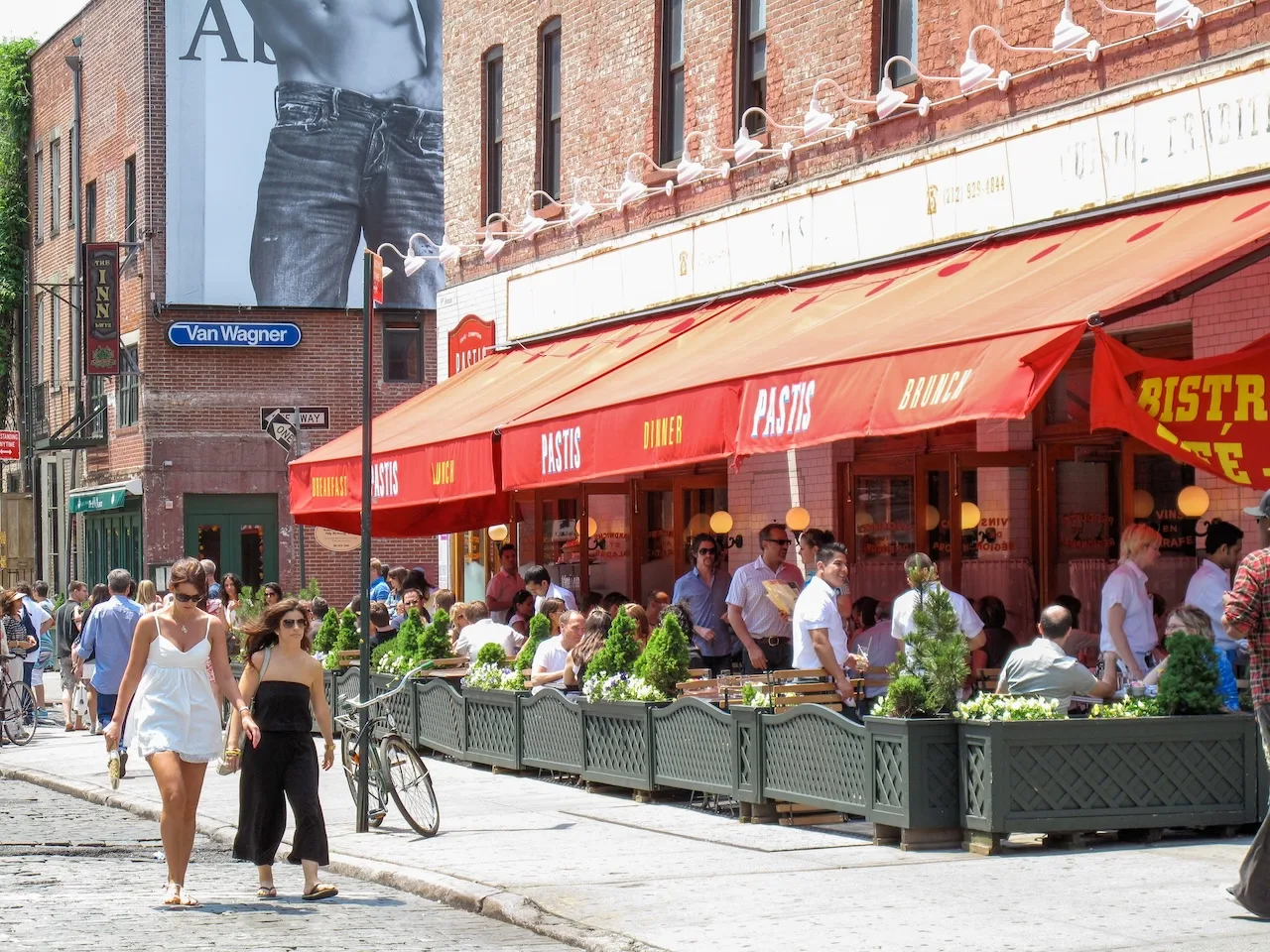
Diners tend to spend at neighboring businesses before and after a restaurant meal.Photo: Shutterstock
Opening a business near a restaurant can be a profitable move, according to OpenTable’s 2026 Restaurant Impact Report. The new report from the restaurant booking platform finds that 60% of diners spend money at neighboring businesses before or after a meal, dropping $138 on average. That rises to $171 for Gen Z diners and $158 for Millennials.
Eighty-eight percent of consumers also believe that restaurants are important to building a sense of community, with 84% saying dining locally enhances their personal and social wellbeing.
“Sharing a meal at a restaurant is one of the oldest ways of bringing people together, because sitting around a table lets us focus on each other,” Dr. Martha Newson, associate professor of psychology at University of Greenwich in London, said in the report. “Our research with over 10,000 people worldwide found face-to-face contact remains a strong predictor of wellbeing …”
OpenTable’s research reveals that 23% of U.S. diners consider a local restaurant their “third place” — a bridge between home and work that provides the human connection that ties a community together. That feeling increases to 39% for Gen Z.
Restaurants are all in when it comes to building human connection and community ties, but they need the commitment from locals to thrive. In a concurrent survey of operators, respondents said a no-show table for two costs a restaurant $80 on average. Despite 67% of U.S. diners agreeing that not turning up for a reservation can seriously harm a restaurant’s business, no-shows remain a problem — although it is lessening. Overall no-show rates are down 4% year-over-year, OpenTable reports.
“A no-show isn’t just an empty table, it’s a sunk opportunity cost,” said Aaron Bludorn, chef-partner in Houston’s Bludorn Hospitality Group, in a statement. “We’ve already set aside the table, organized our books, planned food prep and scheduled staff, and at the last minute, it’s almost impossible to recover that loss. Restaurants are beacons of connection and comfort for diners, but we can only keep serving that role when diners show up for us, too.”
Understanding the financial impact of a no-show would make 47% of diners more likely to honor or properly cancel a reservation, according to the report.
OpenTable’s findings paint a broader picture of restaurants as economic drivers, employers, and community gathering places, while highlighting how individual diner behavior can directly affect their ability to succeed.
The data was collected through an online survey conducted by Ripple Research among 1,501 U.S. consumers who dine out at restaurants and 355 U.S. restaurant workers from July 28-Aug. 4, 2026.