From independent ramen shops and regional restaurant chains to universities, hospitals, catering operators and institutional dining programs, operators are discovering that ramen’s adaptability, consumer appeal and operational flexibility are creating new opportunities for menu innovation and profitability.
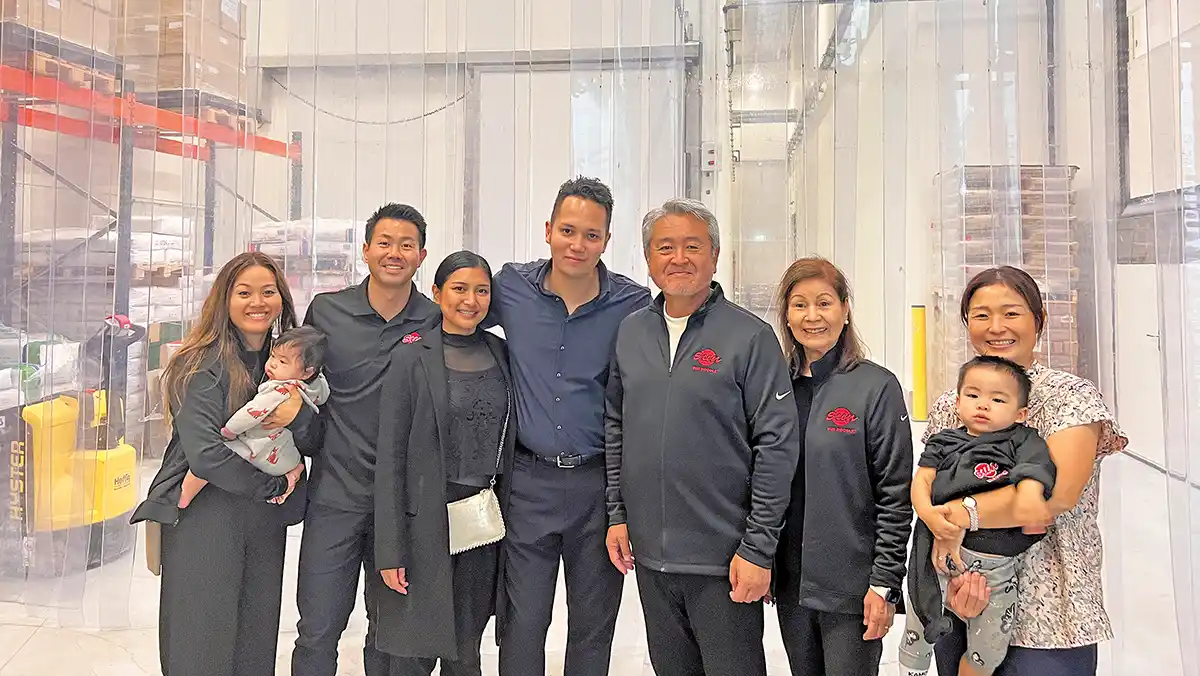
At the center of much of that growth is Sun Noodle, a company rooted in Japanese noodle-making traditions that has spent decades helping chefs and operators understand how ramen can fit into modern American dining. Sun Noodle’s story began in Hawaii in 1981, when the company’s Founder arrived from Japan as a 19-year-old who spoke little English but understood noodle craftsmanship. Backed by generations of family noodle-making experience in Japan, the company built credibility one restaurant at a time through quality, consistency and close partnerships with chefs.
Kenshiro Uki, President of Sun Noodle, noted that the company’s roots started with his grandfather’s noodle-making business in Japan. His dad then brought that knowledge to Hawaii to launch Sun Noodle with a secondhand machine and a commitment to craftsmanship.
“Our initial focus was almost entirely on foodservice, especially independent ramen shops and neighborhood operators seeking premium fresh noodles. Over time, as ramen culture expanded across the United States, the company’s customer base evolved significantly. It started with those mom-and-pop ramen shops because we believed if the best ramen shops were using our noodles, chefs would speak for the quality better than we could,” Uki explained.
That strategy helped establish credibility as ramen evolved from a niche ethnic offering into a mainstream culinary category. Today, Sun Noodle’s products appear in a wide range of applications, including traditional soup bowls, stir-fry dishes, chilled noodle salads, catering concepts and grab-and-go formats. Operators increasingly see ramen as a menu platform rather than a single dish. The flexibility allows chefs to incorporate regional flavors, seasonal ingredients and local influences while maintaining familiarity for consumers already comfortable with noodle-based meals.
Operational flexibility is another key driver behind ramen’s growing role. While authentic ramen preparation can be labor intensive, suppliers such as Sun Noodle have developed products and systems that simplify execution without sacrificing quality. Uki noted that many operators wanted ramen on the menu but did not always have the specialized equipment or labor to execute traditional preparation methods, leading the company to innovate around fully cooked frozen noodles and easier-to-execute solutions.

The company’s portfolio now includes a broad assortment of noodle formats and supporting ingredients designed for varying applications. Thin straight noodles, thick wavy noodles, udon, yakisoba and high-fiber noodles allow chefs to customize dishes based on broth style, toppings, preparation methods and operational requirements. Sun Noodle also supplies soup bases including shio, shoyu, miso, tonkotsu and vegetarian ramen varieties, along with specialty ingredients such as kansui blends, chili paste and dried fish powder.
Texture, hydration, chewiness and thickness all influence how noodles interact with broth, proteins and toppings, and Sun Noodle’s approach centers on matching those characteristics to menu concepts. “Our goal is to simplify the noodle selection process for operators unfamiliar with ramen development,” Uki continued. “We may have hundreds of noodle formulations, but most operators benefit from starting with a curated group of core noodle styles that work across multiple applications. From there, if a chef wants something more customized, we can collaborate further.”
That collaborative model has become increasingly important as ramen expands into broader culinary territory, including fusion dishes, protein-forward bowls, spicy offerings and upscale presentations designed for catering and social media engagement.
Presentation itself has become another growth factor. Chilled noodle concepts, handheld noodle applications and visually distinctive plating styles are helping ramen resonate with younger consumers seeking experiential dining options. At the same time, operators appreciate ramen’s ability to support both premium and value-oriented menu positioning, as a well-constructed ramen dish can carry strong perceived value while still allowing operators to manage food costs through broth development, vegetable utilization and flexible protein pairings.
Pork-based ramen remains especially popular in the U.S. market, although chicken, vegetarian and spicy ramen applications continue gaining traction. Uki noted that consumer preferences continue evolving alongside broader culinary trends. Rich broths, spicy flavors and bold toppings have performed particularly well, but there is growing interest in lighter styles, plant-based applications and regional interpretations. Plant-based ramen has become an especially notable area of innovation, with vegan noodle products and plant-based soup bases helping operators meet demand for alternative protein and vegetarian options without abandoning authenticity or flavor complexity.
International culinary influence is also shaping the ramen category in new ways. Techniques and flavor combinations developed in the United States are increasingly influencing ramen culture overseas. Brisket ramen inspired by Texas barbecue, for example, shows how American regional flavors are being incorporated into traditional ramen frameworks—where smoke, spice and premium proteins help broaden ramen’s appeal beyond conventional Japanese flavor profiles.
For operators considering ramen additions, Uki and his team suggest beginning with a focused strategy rather than trying to build an extensive ramen menu immediately. A practical starting point may involve introducing ramen through LTOs, stir-fry applications, catering menus or customizable bowl programs, allowing operators to gauge customer demand while minimizing operational complexity. “Our goal is to make the addition of our noodles simple for our restaurant and foodservice customers,” Uki said. “We are there to support the launch with thoughts on using existing kitchen equipment, broth preparation capabilities, takeout packaging needs and simple staff training. We help operators look at their target customer base and determine how the addition of our noodles can check off key boxes including authenticity, fusion innovation, speed of service or health-oriented positioning.” Sun Noodle has simplified the addition of soup ramen, stir-fry noodles and chilled noodles to a la carte, takeout/delivery and catering menus.
Uki expects ramen’s future in U.S. foodservice to keep expanding as operators embrace both authenticity and creativity. “The beauty of ramen is that it respects tradition while also giving chefs the freedom to make it their own,” he said. “That flexibility is why ramen continues finding new opportunities across foodservice.”
Restaurant operators, distributors and menu developers interested in exploring ramen programs, product sampling or menu ideation can learn more and connect with Sun Noodle Foodservice at https://sunnoodle.com/ for product information, operational support and menu development ideas.