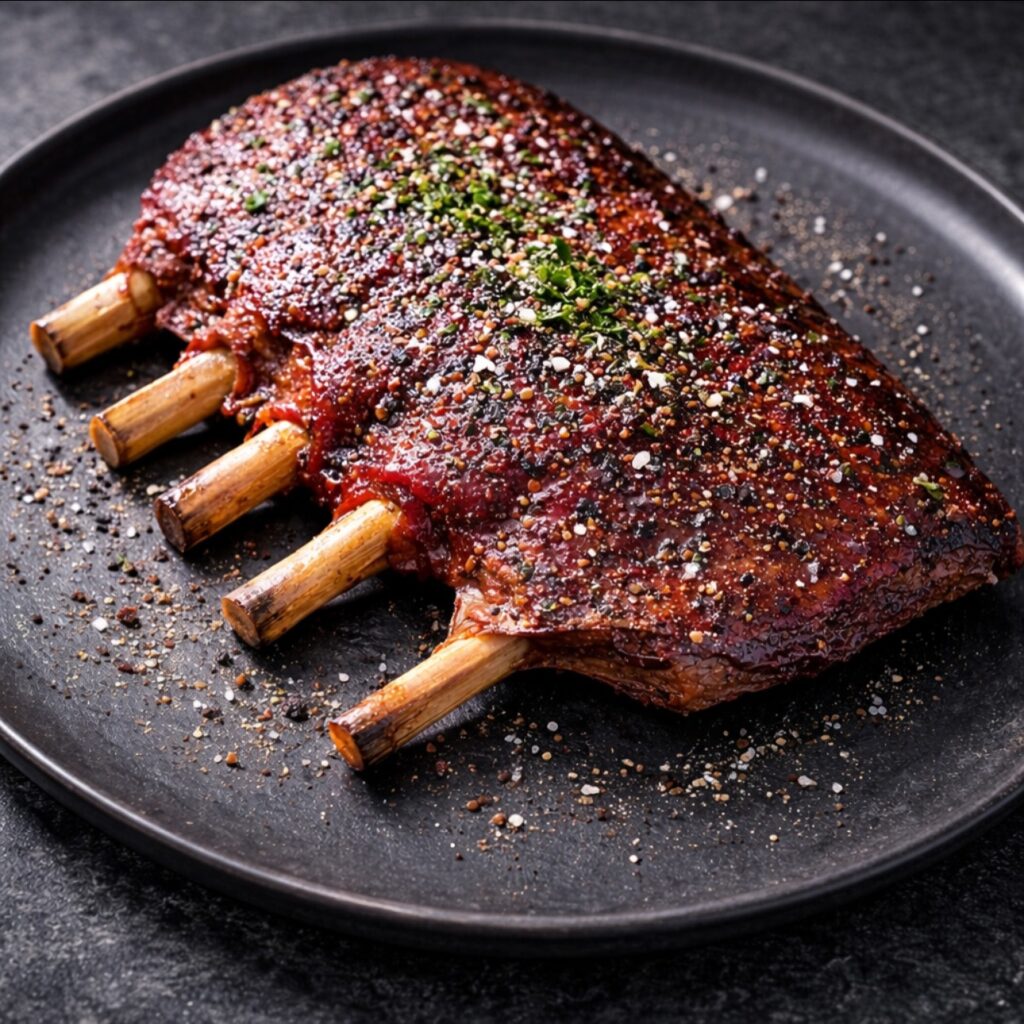
Food technology company Offbeast has developed a whole-cut beef product made from a 50:50 blend of beef and plant ingredients, and is seeking partnerships with meat producers to bring it to market. The company describes the beef tips as the first blended meat to hold a continuous, muscle-like fiber structure in a whole-cut format, rather than the ground and emulsified products where meat extenders have long been used.
The product uses a process Offbeast calls Whole Cut Engineering, which converts unstructured meat such as ground beef or beef fat into aligned fibers held together by a plant-based binder that also acts as an extender. The company says the method runs on conventional meat-processing equipment and has been implemented at production scale, with capacity of up to three metric tons per shift. In confidential tastings, according to the company, 16 of 20 testers rated the blended beef tips as indistinguishable from conventional meat.
Offbeast says the technology can increase typical beef margins by roughly 200% to 400% while allowing a lower retail price, and that the process can be adapted to other formats and to pork, with protein content unchanged.
Offbeast began as Mooji Meats, which piloted a plant-based ribeye at East Coast steakhouses and described its business as bridging deep tech and consumer packaged goods. The company later moved to a proprietary Cross-Fiber Assembly method and rebranded as Offbeast, and it continues to supply plant-based steaks to foodservice clients and direct to consumers.
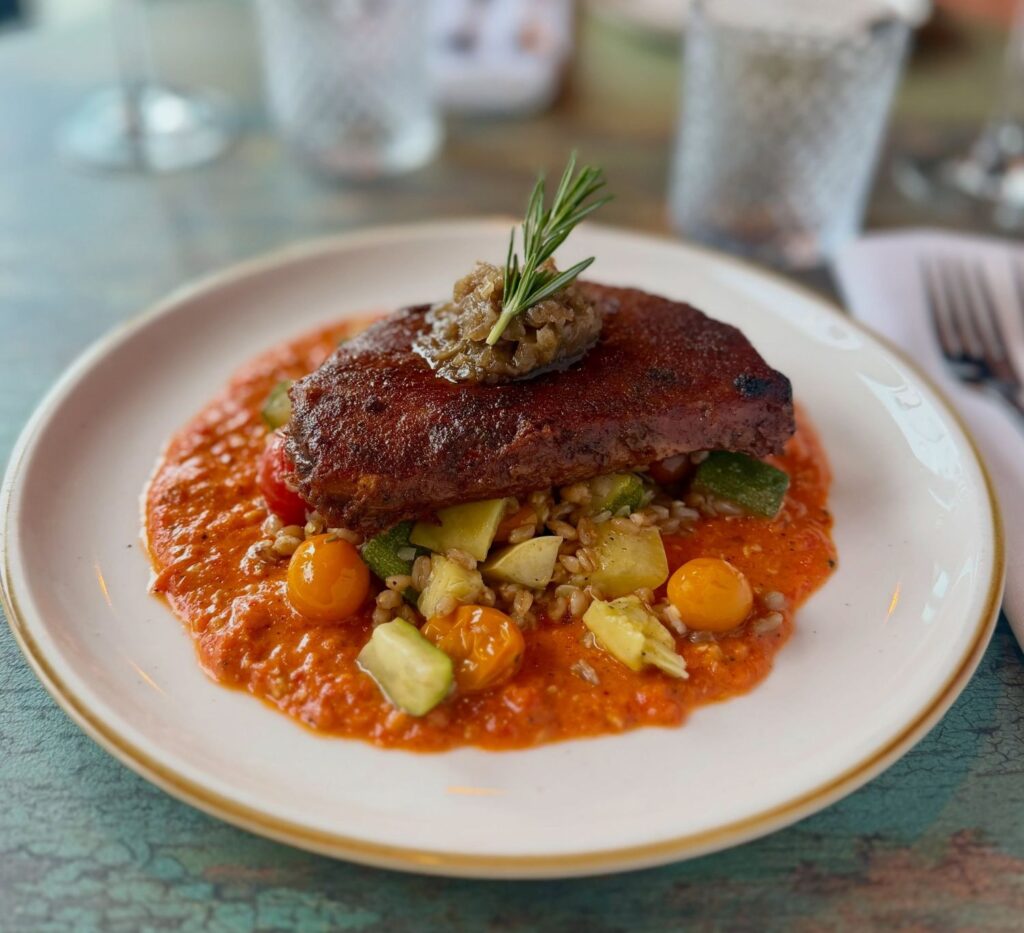
Several European retailers, including Lidl, Colruyt and Albert Heijn, are trialing blended products, and companies such as JOYN Foods and Black Sheep Foods are supplying ingredients aimed at higher plant inclusion levels in meat.
In comments to AgFunderNews, Mohr framed the trend as partly a question of language. “It’s interesting because meat companies have been mixing extenders into sausages since the 70s, but suddenly we started calling it ‘hybrid’ meat,” she said, noting that a “shiitake-infused” burger sounds more appealing than adding “meat fillers” to sausages.
She also compared the approach to processed seafood. “It’s like surimi, which has been around since the ’70s, where they use fish paste blended with some other ingredients [to make imitation crab sticks], and that is a multibillion billion market today. So basically, we’re trying to do with beef what surimi did in the seafood market,” she told AgFunderNews.