Oatly has published its second annual Future of Taste Report, in which 72% of the baristas, café owners and drinks professionals interviewed across 21 countries said mouthfeel is becoming as important to a drink as its flavour. Of the baristas and café owners surveyed, 82% brought up drinks that were neither coffee nor tea.
“I think people are becoming much more curious, especially when there’s a story behind the ingredient”
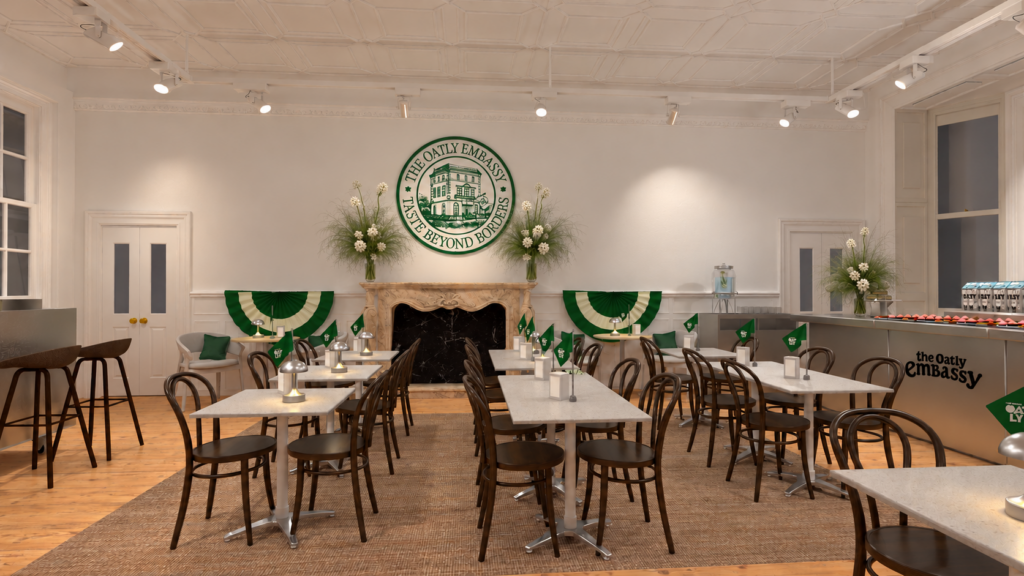
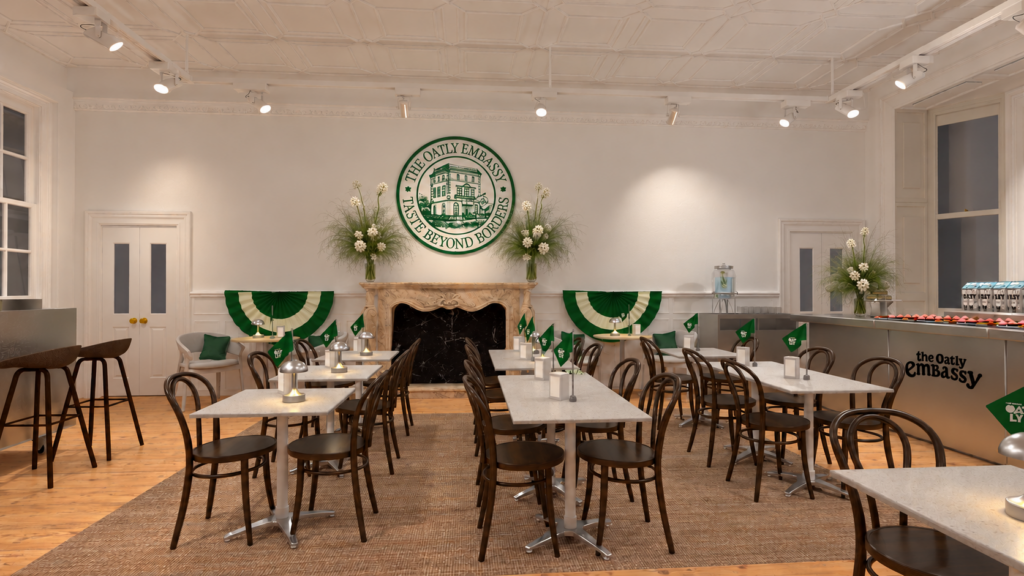
The report launches in London alongside Volume 4 of Oatly’s Look Book recipe series at the Oatly Embassy, a pop-up at The Lavery in South Kensington. After a trade and press day on 22 October, the venue opens to the public free of charge on 23 and 24 October, with drink workshops, talks and complimentary drinks from the new Look Book.
The first edition of the report, released last year, drew on more than 200 experts in 23 countries. Its forecasts on decaf, fibremaxxing and matcha are cited by the editors as predictions that held up.

Foams, jellies, fizz and chewy toppings account for much of the menu development described in the report, with East and Southeast Asian drinks culture named as the main influence. Google searches for coffee jelly were up 90% year on year globally as of August 2026, according to the report. More than a quarter of the experts who discussed texture specifically named foaminess.
The report also finds that customers now choose between dairy and non-dairy options based on which gives the best texture for a particular drink. Dan Frommer, founder and editor of The New Consumer, stated, “Overall, we’ve reached a point where dairy is not the obvious answer for every kind of creaminess exploration in different beverages.”
The findings are relevant to Oatly’s own business, which raised its 2026 revenue outlook in July after reporting second-quarter revenue of $240.1 million, driven by demand for its café-focused Barista range in Europe.
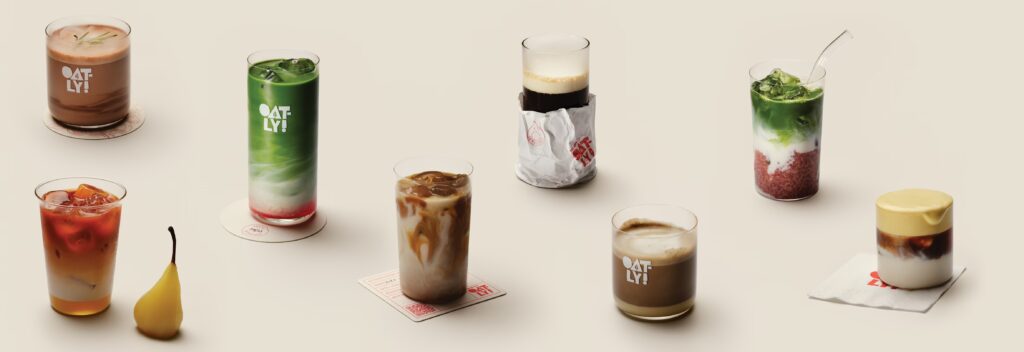
Herbs and botanicals were the top flavour trend, named by 40% of respondents, with ginger, hibiscus and lavender among the most cited ingredients. Fermentation came up unprompted in 56% of interviews. Kombucha still leads that category, while tepache from Mexico, kvass from Eastern Europe and the Turkish fermented purple carrot drink şalgam are also appearing on menus.
“I think people are becoming much more curious, especially when there’s a story behind the ingredient. Flowers, smoke, fermentation or unusual botanical ingredients are becoming more accepted,” noted Lara Sosna of Forkk Studio in Germany.
The top five emerging ingredients named by interviewees all came from East or Southeast Asia, and ube was mentioned twice as often as the flat white or cappuccino. Flo Thomas of Batch Baby in London said, “We sell more hydration drinks than any other drink now.”
Jean Renzen of Papan, a micro-bakery and specialty café in the Netherlands, explained, “This generation of people that go to a café don’t want the usual stuff. They want something out of the ordinary, something they can tell their friends about.”
More than half of respondents (51%) used terms such as “belonging”, “community” and “connection” when discussing the future of cafés. Asked about AI, many said automation could make coffee more consistent but should not replace staff interaction at the counter.
“People want a place where there’s another human to say ‘hello’, and to look into their eyes and ask ‘how are you?’” said María Guerrero Patricio of Brewtalist in Valencia.