How Chick-fil-A is helping one organization address hunger
2 Min Read
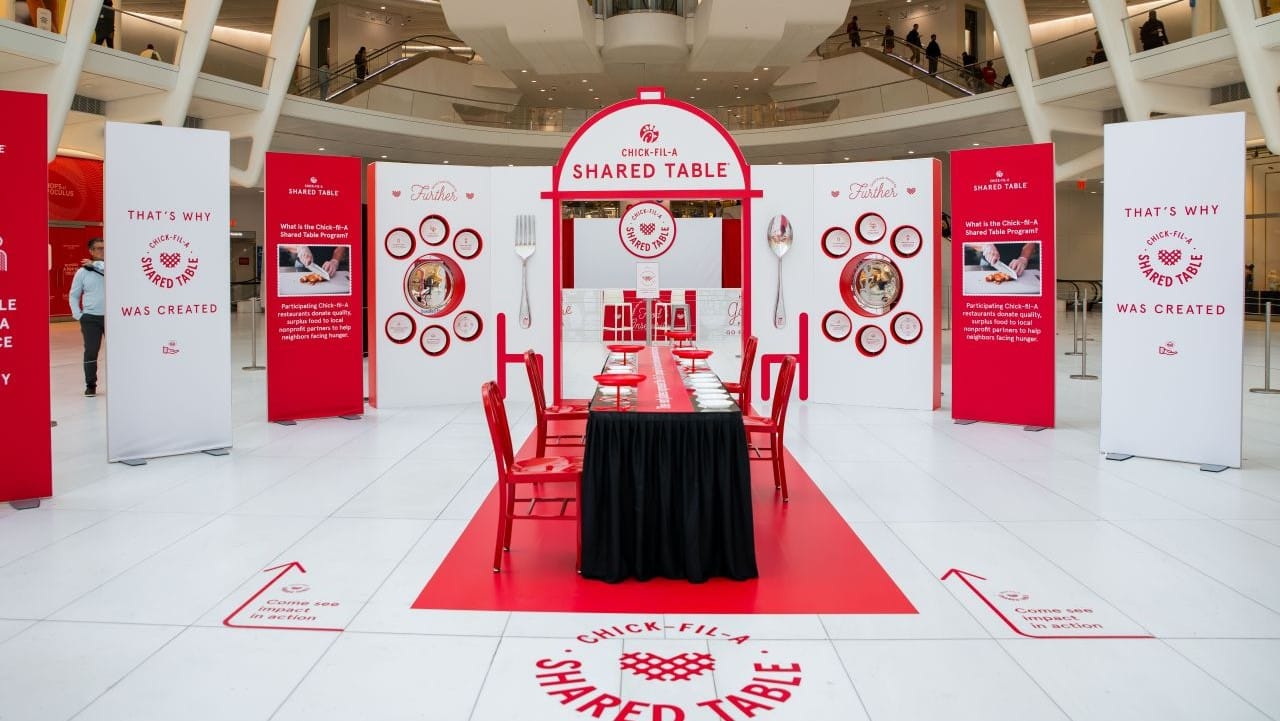
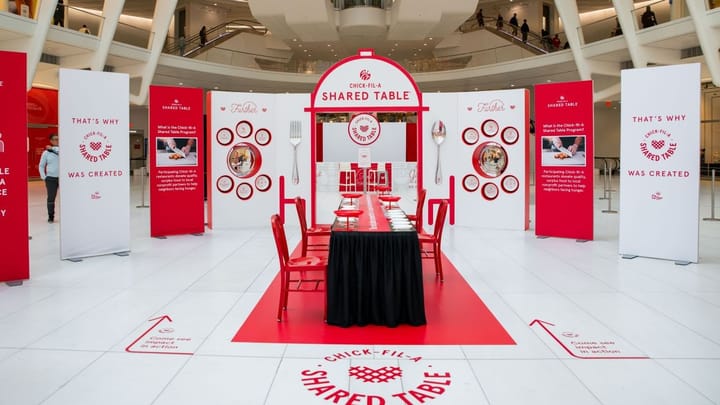
Chick-fil-A recently held a popup event at The Oculus in Manhattan to illustrate how pervasive hunger is in the U.S.Photo courtesy of Chick-fil-A
The Bowery Mission is one of the oldest rescue missions in the United States, founded in 1879 in New York City. It provides hot meals, showers, shelter, clothing, and medical care to homeless and hungry individuals primarily in the New York metropolitan area.
In 2018, it became a partner for Chick-fil-A’s Shared Table program, in which restaurants in the market donate surplus food weekly to nonprofit organizations to help address the hunger crisis in the United States.
Chick-fil-A has since donated more than 58,000 meals to The Bowery Mission.
During a recent interview in New York City, the organization’s Chief Development Officer Karl Chan said the partnership has had a significant impact in addressing food insecurity.
“How can you plan for tomorrow if you don’t know where your next meal is coming from today? You’re in crisis right now,” he said. “Chick-fil-A helps us meet that need.”
One of the benefits of the partnership is that the chain’s operators provide surplus protein like chicken strips and nuggets, whereas most donations to food pantries and other such organizations are dry food items or canned goods. This adds a level of dignity for those in need, Chan said.
“It’s training new pathways of muscle memory of what you believe and have always been told. When you are struggling and can’t make ends meet, you generally take what you’re given, so you have no choice,” he said. “In this instance (with protein), they have a choice in the matter. They’re actively participating in asking for what they want and how. It’s not just a transaction anymore.
“Chick-fil-A allows us to serve meals that don’t discriminate between us and them.”
There are about 10 owner/operators in the New York City market who have volunteered and trained with The Bowery Mission since the chain made its debut there about 10 years ago, and Chan expects the partnership to continue to grow as the chain’s footprint in the city continues to grow. He also hopes it “catalyzes” other organizations to think about what they could do with their surplus food.
“Sometimes we feel that we don’t have opportunities to address situations because we’re stretched so tight and we don’t have margins,” Chan said. “If we realize that within our (constraints) we could be a still be a resource to others, we can shift the narrative.”
Contact Alicia Kelso at [email protected]
Follow her on TikTok: @aliciakelso
Read more about: