El Pollo Loco, Jollibee, and McDonald’s archivist


El Pollo Loco has its sights on the Big Apple, signing its first lease in Queens, New York, with a mid-2027 opening targeted, and three development agreements for 15 New York-area restaurants throughout the next five years. The expansion marks an important milestone in El Pollo Loco’s goal to become a national brand. California-based El Pollo Loco has made several unsuccessful attempts at going national in the past, including in the 1980s and mid-2000s. In 2014, the chain entered a development deal to open 15 restaurants in the New York-Newark, New Jersey, markets, but those restaurants never opened. Earlier this year, CEO Liz Williams said she is optimistic the national push will stick this time around because there is more clarity on standards, systems, and training, while unit economics have also improved significantly in the past several years.
Philippines-based Jollibee, which didn’t enter the U.S. until 1998, is now the 129th largest chain by sales in the U.S., buoyed by a 17% year-over-year increase to finish 2025, far outpacing the chicken category as a whole, which grew by 5.3%. David Beal, global chief marketing officer of parent company Jollibee Group, said the chain’s performance in the U.S. has been encouraging because of its appeal among mainstream local consumers, including in markets where customers had no prior familiarity with the brand. He said though the category is extremely competitive, Jollibee will avoid copying other brands, and instead focus on what makes it distinctive, including its unique menu and focus on joyful hospitality. Jollibee’s goal is to reach 500 U.S. stores by 2030. The company launched franchising in the market last year to help facilitate that goal and plans to file for a U.S. IPO next year.
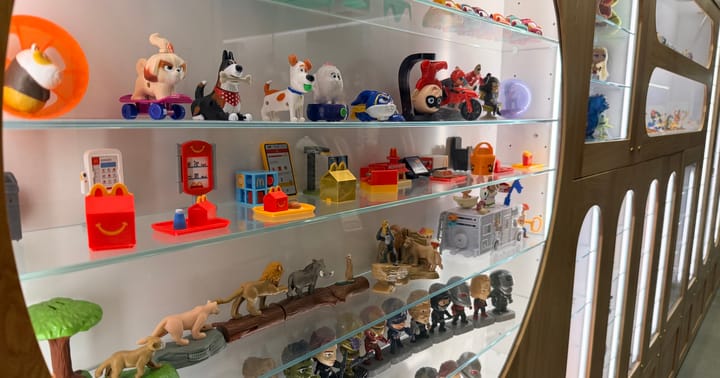
Do you have a preserved 9-piece chicken McNuggets box from 1983? Mike Bullington may want to talk with you. Bullington is McDonald’s senior archive manager. We got a look into the McDonald’s archive, which the public is not invited to see, and which keeps five semitruck loads of the fast-food giant’s history, including everything from decades-old letters from founder Ray Kroc to Happy Meal toys to documents to every uniform the company has used. The archive provides a resource for the company as it makes decisions and keeps alive a crucial connection to the brand’s storied history.
Get all the headlines in today’s Restaurant Daily podcast.