Pumpkin Pie Spice is a warm baking blend built on cinnamon, ginger, nutmeg, allspice, mace, and cloves. It contains no pumpkin at all, which surprises most people the first time they hear it, and it goes far beyond pie.
Here we’ll go behind the seasoning: what is in it, what it tastes like, how it differs from plain pumpkin spice, what to use when you run out, and the sweet and savory places it belongs all season long (and sometimes, even year-round!)
What is pumpkin spice?
The trend feels recent, but the blend is not.
Its ancestry traces to the Dutch East India Company in the 1600s, when Dutch colonization of the Spice Islands dramatically expanded the European spice cabinet. With more to work with, cooks started combining, and one result was “speculaaskruiden,” a mix close to modern pumpkin spice with cardamom and pepper added.
That blend went on to inspire pie spice, Baking Spice, and a whole family of sweet and savory mixes.
By 1796 the combination appeared in the first known American cookbook, where Amelia Simmons called for mace, nutmeg, and ginger in a pumpkin pie.
What is in pumpkin pie spice?
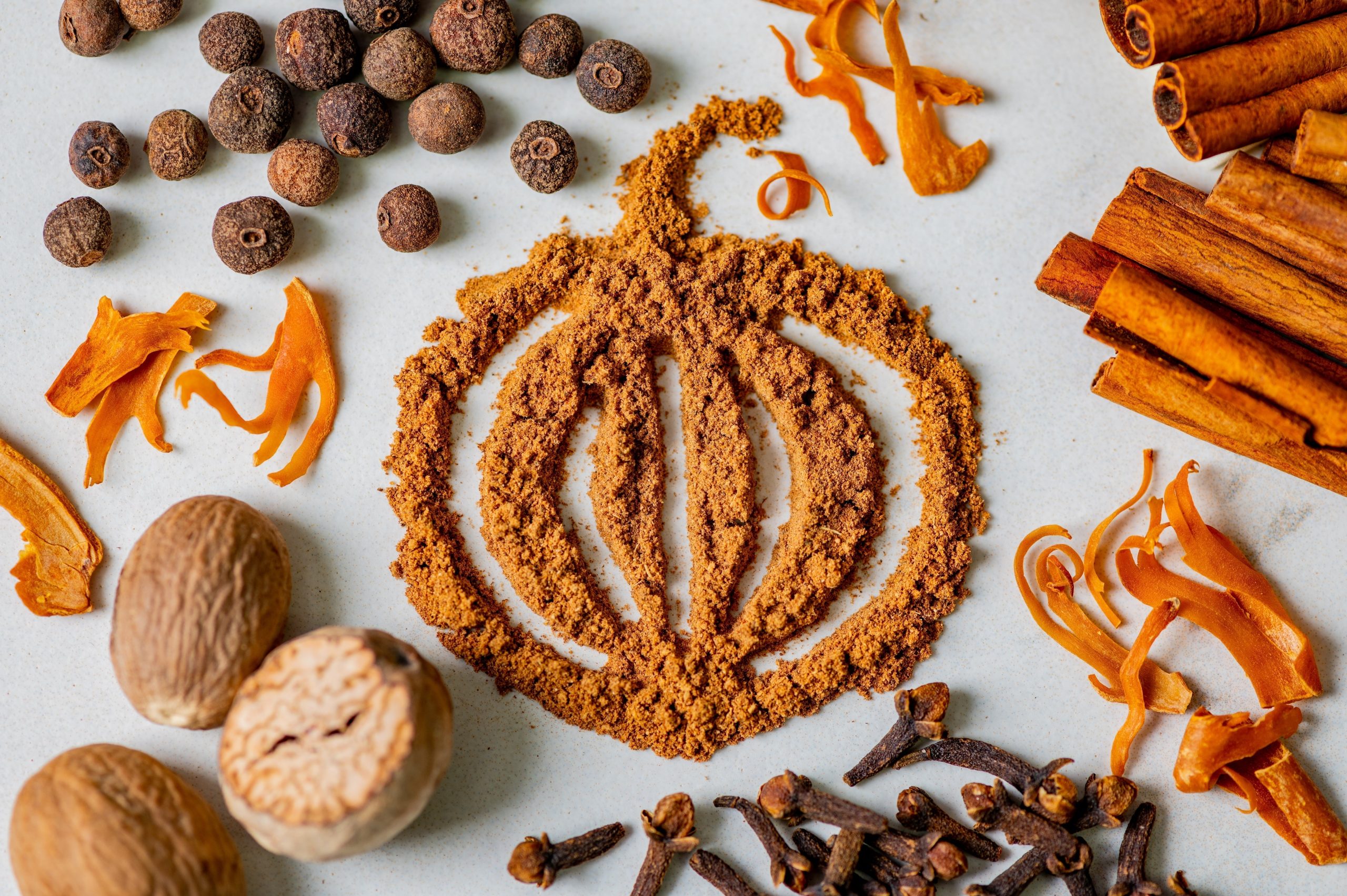
Our blend of pumpkin spice combines Cinnamon, Ginger, Nutmeg, Allspice, mace, and Cloves. Proportions vary between brands and some add smaller amounts of other spices, but that group is the core of nearly every version you will find.
Is there pumpkin in pumpkin spice?
No, there is no pumpkin in pumpkin spice, and there never was.
The name comes from where the blend is used rather than what is in it. These warm, aromatic spices pair so naturally with creamy, earthy pumpkin that the two became inseparable, and the association stuck to the label. Plus pumpkin itself kind of serves as a blank canvas without these flavors. So believe it or not, pumpkin spice tastes like pumpkin spice, not necessarily pumpkin!
What is the difference between pumpkin spice and pumpkin pie spice?
Functionally, nothing. The two names describe the same blend and are used interchangeably. The one real variable is Allspice.
Because allspice carries enough warm complexity to season a pumpkin dish on its own, some blends leave it out and let it stand alone as a pumpkin seasoning instead. Ours includes it, for more depth alongside the cinnamon, ginger, nutmeg, mace, and cloves.
What about apple pie spice?
Closer than you would guess, and they overlap heavily.
Both are built on cinnamon with nutmeg and allspice behind it. The difference is emphasis: apple pie spice leans harder on cinnamon and often skips cloves and ginger entirely, while pumpkin pie spice carries more ginger for that peppery lift and more cloves for depth.
In practice they substitute for each other in a pinch. Use apple pie spice in a pumpkin recipe and it will taste milder and sweeter. Use pumpkin pie spice in an apple recipe and it will taste warmer and spicier, which plenty of people prefer. Our Baking Spice sits in the middle and works for both recipes.
Is pumpkin pie spice vegan, gluten-free, or sugar-free?
Ours is vegan, sugar-free, and salt-free. While the majority of all spices are naturally gluten-free, this product has not been certified as officially gluten-free.
That said, it is nothing but ground spices, with no sugar, no anti-caking agents, and nothing else to read about. Worth knowing because a lot of pumpkin-flavored products are none of those things, and the confusion usually traces back to the sweetened syrups rather than the spice itself.
What does pumpkin pie spice taste like?
Cinnamon is the base, so the first impression is sweet and warm even though the blend contains no sugar. Nutmeg and Ginger bring a faint peppery heat behind it. Allspice and mace round everything out, which is why the whole thing reads as balanced rather than as any single spice.
What separates it from a general-purpose Baking Spice is the Cloves. Cloves are bold, astringent, warm, and faintly eucalyptus-like, and they are the note that makes pumpkin pie spice taste specifically like pumpkin pie rather than like oatmeal cookies.
Pumpkin Spice Fact: Pumpkin pie spice contains no sugar. If the flavor you are chasing is the sweet coffee shop one, what you are actually remembering is Coffee Shop Pumpkin Spice Syrup, which is sweetened and often has real pumpkin puree in its mixture. The spice is the aromatic half of that flavor, not the whole thing, which is also why you control the sweetness entirely when you make it at home.
What is a substitute for pumpkin pie spice?
Two options, depending on what is already in your cabinet. If you haveBaking Spice, you are most of the way there, since it shares most of the same spices. Add a pinch of Cloves and you have a working, solid substitute.
If you have the individual spices, mix your own. This ratio gets you close:
Homemade Pumpkin Spice Blend Recipe
- 4 parts Ground Cinnamon
- 2 parts Ground Ginger
- 1 partGround Nutmeg
- 1 part Ground Allspice
- ½ part Ground Cloves
Whisk together and store in a small jar. Start with teaspoons as your “part” for a batch that fits a spice jar. Add a pinch of mace if you have it, which is what gives the commercial versions their rounded finish.
What goes well with pumpkin pie spice?
Because it is already a blend, it plays well with anything in the same warm family. Cardamom and Chai blends both extend it naturally, and Honey Powder is an easy way to add sweetness and body without adding liquid.
The fall pairing worth trying this year is Salted Caramel Spice. Salted caramel and pumpkin belong together for the same reason salt belongs on anything sweet: the salt sharpens the spice and keeps the sweetness from flattening out. Use them together in a sheet cake, a latte, or on top of a pie.
If you already keep Palisade Peach Spice on hand, you are closer to this flavor family than you might think. It shares cinnamon, cloves, and allspice with pumpkin pie spice, built on a vanilla bean sugar base, which makes it a natural companion rather than a competitor. Use it where you want the same warm spice with fruit and vanilla in front of it: in a crumble topping, on roasted squash, stirred into whipped cream, or in the same latte.
On the savory side, chiles are the surprise. Chili Powder, Chipotle, and Cayenne all balance pumpkin’s sweetness, which is why the blend works in chili and soup. Herbs work too: Poultry Seasoning in a pumpkin soup, or Sage in a savory pumpkin bread.
How do you use pumpkin spice?
Baking pumpkin desserts and treats is the obvious home: cookies, cakes, pies, quick breads, muffins, and anything with a crumb. But the blend is more versatile than the name suggests.
In drinks. Lattes, hot chocolate, cocktails, and chai. Our Pumpkin Spice Latte makes a base you can refrigerate and reheat all season, and the Coffee Shop Pumpkin Spice Sauce gets you the syrup without the additives. A tablespoon or two goes into coffee, a French press, or black tea.
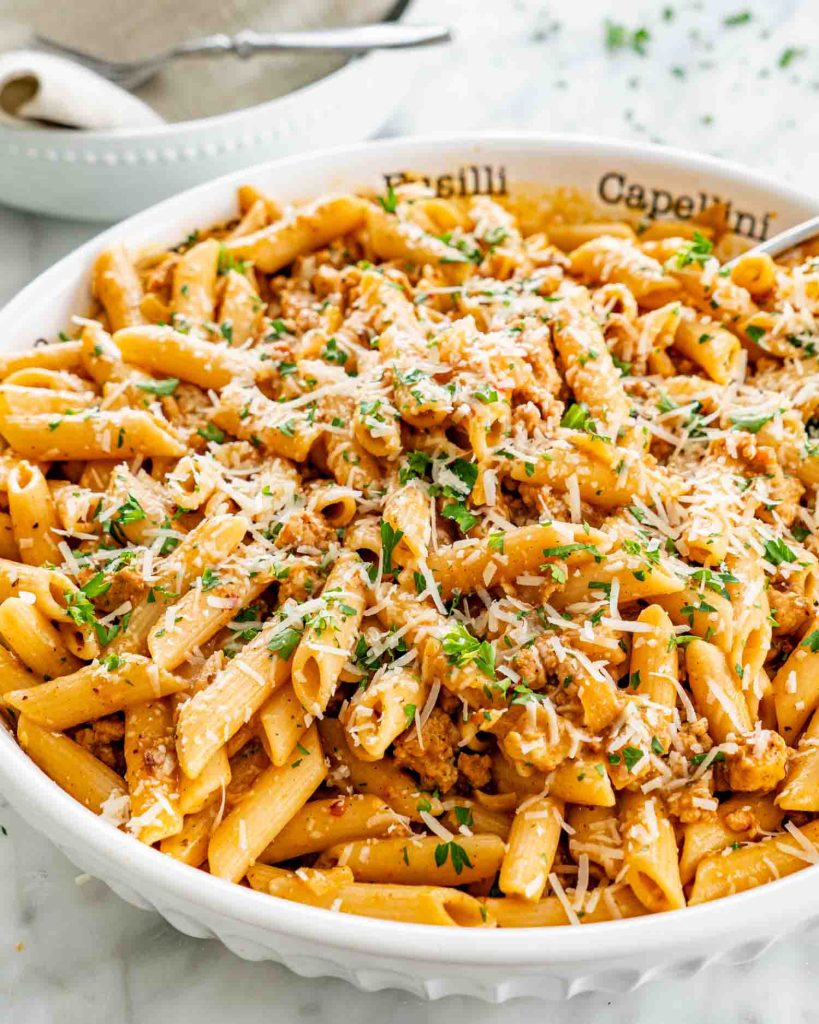
In savory cooking. Soups, chilis, curries, and pork. Pumpkin Turkey Chili and Chipotle Pumpkin Soup are two that convince people, because the warm spice against chile heat is genuinely better than either alone. But if you’re looking for a more classic pumpkin chili, then our Pumpkin Pie Spice Chili recipe is the way to go.
On roasted vegetables. Our recipe forPumpkin Spice Roasted Squash is the easiest proof that this belongs outside the dessert category. After all, pumpkin shares a vegetable family with butternut squash, acorn squash, spaghetti squash, as well as sweet potatoes and carrots.
Plus, we have thirty-odd pumpkin recipes, far more than fits here, so we gathered the best of them by type in our full guide to what to make with Pumpkin Pie Spice: pies and baked goods, drinks, snacks and treats, and all the other pumpkin-flavored savory dishes worth trying for the season.
How do you make pumpkin spice coffee at home?
Almost everyone tries the same thing first: stir a spoonful of pumpkin pie spice into a finished cup of coffee. It does not work. The spice floats, clumps on the surface, and settles into grit at the bottom, and the coffee barely tastes different.
The reason is that the flavor in these spices lives in volatile oils, and oil does not dissolve in water. Dropped into a brewed cup there is no fat to carry it and no agitation to emulsify it, so the particles just sit there. You need to give the spice either heat and time with the grounds, or something fatty to dissolve into. Three ways to do that, in order of how well they work.
1. Add it to the grounds before brewing
This is the right answer and almost nobody does it. Whisk the spice directly into your dry coffee grounds before brewing, roughly ¼ tsp. per cup, or ¾ to 1 tsp. for a full pot. Then brew as usual. Hot water passing through the bed extracts the spice oils at the same time as the coffee oils, so the flavor ends up dissolved in the brew instead of floating on top of it. Works in drip, pour over, and a reusable filter alike.
Two notes. In a French press, some fine spice will pass through the mesh screen, so expect a little sediment and pour gently. And do not put spice in an espresso portafilter, since the fine grind and high pressure mean you risk clogging the basket or the group screen.
2. Whisk it into warm or hot dairy
If the coffee is already made, put the spice in the milk or cream rather than the cup. Whisk a pinch to ¼ tsp. into a splash of warm milk, half and half, or cream until it is smooth, then pour that into the coffee. The fat dissolves the oils the water could not, which is the whole trick. If you steam or froth milk, add the spice before frothing and the agitation does the work for you.
3. Make a syrup or sauce
The most consistent option if you drink it often, because you make it once and use it all week. Our Coffee Shop Pumpkin Spice Sauce gets you the coffee shop flavor without the additives, and a tablespoon or two stirs into anything. The Pumpkin Spice Latte recipe makes a base you can refrigerate and reheat all season.
Pumpkin Coffee Tip: Whichever method you use, add a small pinch of salt to the grounds along with the spice. Salt suppresses bitterness in coffee, which is why it lets the warm spice notes come forward instead of fighting the roast. It is the same reason a pinch of salt belongs in anything sweet.
What about pumpkin beer?
Pumpkin beer is usually brewed with both actual pumpkin and Pumpkin Pie Spice, which is worth clarifying because people confuse it with Oktoberfest beer. Those are different things entirely: the traditional Oktoberfest pour is Marzen, a German lager with no pumpkin or spice in it at all.
We know how pumpkin beer gets made because we supply the spice for a number of them. Here are 3 worth seeking out once the fall, pumpkin spice season hits:
Dry Dock Brewing Co. in Aurora, CO
Their Pumpkin Spice Bligh’s Barleywine Ale uses our blend every year.
“[It’s] one of our most anticipated seasonal offerings, spiced pumpkin ale is autumn in a glass. Real pumpkin added into the mash brings a rich, smooth base. Saigon and Indonesian cinnamon, nutmeg, allspice, mace and cloves spark thoughts of pumpkin pie, holiday meals, and all of the wonderful things that make this such a special time of year.”
– Joe from Dry Dock Brewing Co.
Timberyard Brewing Co. in East Brookfield, MA
Spider Gates is their pumpkin brown ale, built on an English brown ale base with our Pumpkin Pie Spice and a little vanilla to lift the whole thing. They use organic local pumpkins from a farm down the road in Brookfield, which is the kind of sourcing we recognize in our own work.
Launch Pad Brewery in Aurora, CO
Barrel Aged Pumpkin Paddy is an English Old Ale brewed with pumpkin flesh and spice, then aged in whiskey barrels for six months. Pumpkin beer is also the reason the brewery exists: the owner brewed one for a pumpkin-themed party in 2014, guests told him it was too good not to sell, and Launch Pad opened that October.
How much pumpkin pie spice should you use?
More than most recipes tell you, and this is the most common reason a homemade pumpkin dessert tastes flat. These are the amounts we work from:
- Pumpkin pie: 1½ to 2 tsp. for a 9-inch pie with a 15 oz. can of pumpkin
- Cookies, quick breads, muffins: 1 to 2 tsp. per batch
- Coffee or a latte: ¼ to ½ tsp. per cup, whisked in rather than sprinkled on top
- Oatmeal or yogurt: a pinch to ¼ tsp. per bowl
- Whipped cream: ¼ tsp. per cup of cream, with the sugar
- Roasted squash or sweet potatoes: ½ to 1 tsp. per pound, tossed with oil
- Chili or soup: ½ to 1 tsp. for a full pot, added early
Mixing Tip for Distribution: In anything baked, whisk the spice into the dry ingredients so it distributes evenly. In anything cooked on the stove, add it to the fat early and give it thirty seconds before the liquid goes in. Warm fat pulls far more out of these spices than hot liquid does, which is why the same amount can taste twice as strong depending on when you add it.
How long does pumpkin pie spice last?
Ground blends hold their best flavor for about 1-2 years stored in a sealed jar away from heat, light, and moisture, which means the cabinet above the stove is the worst place in the kitchen for it.
It will not spoil after that, it just fades.
The test is your nose. Open the jar and smell it. If the aroma is faint rather than sharp and immediate, the flavor will be too, and no amount of extra scooping fully compensates.
If you are pulling out last year’s jar of pumpkin spice for this year’s first pumpkin pie of the season, please smell it first. If the smell isn’t as fresh and aromatic as you’re used to, it’s time for a new jar.
You’ll go through pumpkin spice faster than you think.
Cinnamon, ginger, nutmeg, allspice, mace, and cloves. No pumpkin, no sugar, and far more range than the name admits. It belongs in your pie, but it also belongs in your chili, your roasted squash, your morning coffee, and on a pork tenderloin.
Which is exactly why one small jar rarely covers a whole fall. Between the baking, the lattes, and the savory experiments, most people who genuinely like this flavor are back for more before Thanksgiving. If that sounds like you, the refill bag and the large bag both exist for a reason.
So do not save it for one dessert in November. Open it in August and use it straight through February. And when the aroma starts to fade rather than jump out of the jar, replace it. Spices are meant to be used up.
Previous Article
The Savory Spice Journal: An American Classic, Reimagined
Next Article
Pumpkin Spice Recipes: 20+ Things to Make This Fall