Purple vegetables have a unique way of bringing color, character, and variety to everyday cooking. From deep violet roots and leafy greens to richly colored corn and glossy eggplants, this vibrant group includes a wide range of ingredients that stand out both on the plate and in the kitchen. Many owe their striking hues to anthocyanins, natural plant pigments also found in blue and red produce that are valued for their antioxidant properties.
This guide explores purple vegetables in all their forms, from familiar staples and heirloom favorites to unusual seasonal varieties. Whether roasted, grilled, mashed, blended, or enjoyed raw, these colorful vegetables prove that adding more visual appeal—and nutritional diversity—to your meals can be surprisingly simple.

Eggplants come in a surprising range of colors, from white and lavender to deep purple and almost black. Perhaps the most iconic vegetable in the purple category, they are celebrated for their glossy skins and remarkable ability to absorb flavor. Their distinctive color comes from anthocyanins concentrated in the skin, while the flesh itself provides fiber with very few calories. Whether stuffed and baked with minced meat, roasted until crispy, or blended into a smooth spread, they add undeniable richness to the table.

This densely layered purple cabbage brings both crunch and a striking splash of purple-magenta color to the plate. It has a mildly peppery bite when shredded raw into slaws or piled onto tacos and sandwiches for extra texture. Nutrition-wise, it provides vitamin C and antioxidant properties thanks to the anthocyanins that give its purple color. When slowly braised with vinegar and a touch of sweetness, its color deepens into rich wine tones, turning it into a classic comfort food side.
A natural head-turner in the produce aisle, purple cauliflower brings instant visual excitement without requiring any changes to your favorite recipes. Its vibrant color comes from anthocyanins, the same natural pigments found in red wine and berries, which also contribute antioxidant benefits. It has a mild, slightly sweet flavor that works beautifully roasted, steamed, or broken into florets for colorful salads and vegetable platters.

Bringing a lovely heirloom feel to the kitchen, purple carrots often feature a bright orange or yellow core that creates beautiful contrast when sliced. Their deep pigmentation comes from anthocyanins, while the inner core still contains many of the carotenoids associated with traditional carrots. They carry an earthy sweetness that feels slightly deeper than standard orange carrots. Roasted whole, glazed lightly, or shaved thin into salads, they bring both color and crunch.
With their dark skins and deep violet flesh, purple potatoes add a dramatic touch to everyday side dishes. They have a pleasantly earthy, slightly nutty flavor and a medium-starchy texture that works well for roasting, boiling, or mashing. Left unpeeled, they make especially striking fries and colorful potato salads while also providing potassium and complex carbohydrates.
Crisp and eye-catching, purple bell peppers bring a mild sweetness and fresh crunch to the kitchen. Their flavor is usually less sugary than fully ripened red or orange peppers, making them especially good in salads, snack boards, and raw dishes. Like other peppers, they provide vitamin C, which helps support collagen production and immune function. Their purple color softens during cooking, so they are often enjoyed fresh when appearance matters most.
From decorative heirloom varieties to deeply colored hot peppers, purple chilis bring plenty of personality to the spice rack. Many shift through shades of violet and near-black before eventually ripening to red, all while carrying a bright, clean heat. Like other chili peppers, they contain capsaicin, the compound responsible for their spiciness. Thin slices add color and bite to fresh salsas, pickles, and spicy garnishes.
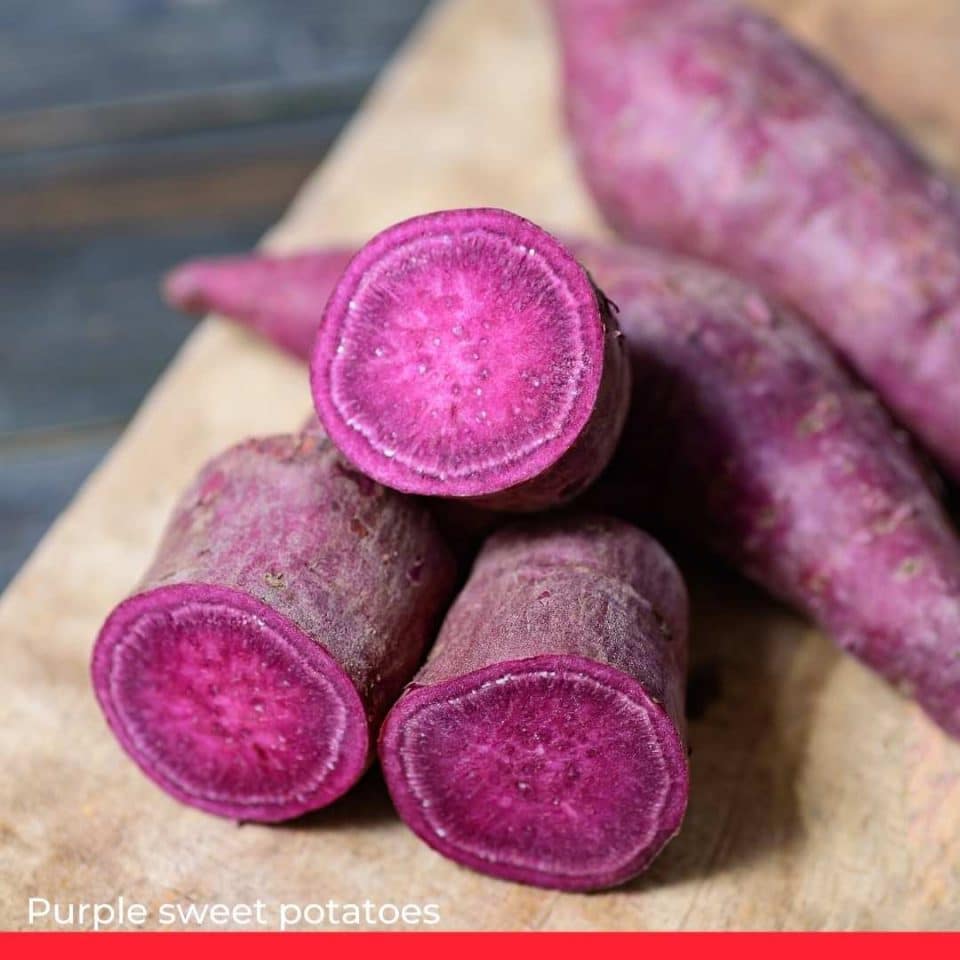
Prized for their dense texture and concentrated sweetness, purple sweet potatoes are a true cold-weather staple. Unlike orange varieties, they tend to be drier and more chestnut-like in flavor and perfect for making snacks. Their vivid purple flesh stays remarkably intense during cooking thanks to high concentrations of anthocyanins. Along with fiber, they provide complex carbohydrates that make them particularly satisfying.
With its violet stems and dusky florets, purple broccoli brings extra color and a slightly sweeter flavor than standard green broccoli. Its tender texture makes it especially good for quick cooking methods like roasting, baking, or sautéing. Like other broccoli varieties, it provides fiber, folate, and vitamin C, while its purple pigments add additional antioxidant compounds. Since prolonged boiling dulls the color, gentler cooking helps preserve its appearance.
A robust, cold-hardy green, purple kale features dark leaves marked by deep violet stems and veins. Like other kales, it becomes sweeter after exposure to frost and holds its texture well during cooking. Rich in vitamins K, A, and C, it is among the most nutrient-dense leafy greens available. Its sturdy leaves make it ideal for hearty salads, crispy baked chips and savory pastry.
These heirloom sprouts feature loosely packed leaves shaded in dusty violet and deep plum. They tend to have a slightly mellower, sweeter flavor than green sprouts, missing some of the bitterness that people often associate with Brussels sprouts. Like other members of the cabbage family, they provide fiber, vitamin C, and glucosinolates. Roasted hot with balsamic or bacon, they crisp beautifully.
With its round bulb and sprouting stems, purple kohlrabi looks unusual but tastes surprisingly familiar. Under its purple skin sits crisp flesh that tastes like a sweet cross between broccoli stems and turnips. It works especially well sliced into batons or shredded into slaws or turned into crispy fritters. It provides vitamin C and fiber while remaining pretty low in calories.

A favorite among chefs and market shoppers, purple asparagus tends to be milder-flavored and less fibrous than green asparagus thanks to its naturally higher sugar content. Its tender texture makes it especially good raw, shaved into salads, or cooked very quickly to preserve its color. Like other asparagus varieties, it provides folate, a B vitamin important for cell growth and development. Light grilling or a quick sear works especially well.
Purple radishes bring crisp texture, refreshing crunch, and a peppery bite to the plate. Many varieties are slightly sweeter and milder than classic red radishes, making them easy to work into salads and sandwiches. As members of the cruciferous vegetable family, they provide vitamin C along with sulfur compounds responsible for their distinctive bite. Their purple edges make especially pretty garnishes when sliced thin.
These stringless pods bring a bit of fun to everyday cooking, starting out deep purple before turning green when heated. They have a sweet flavor and crisp texture that makes them great both raw and cooked. Like green beans, they provide fiber, vitamin C, and small amounts of plant protein. Quick sautéing or steaming preserves their texture best.
Famously tied to Italian cooking traditions, purple artichokes feature tightly packed leaves shaded in rich violet tones. They tend to be more tender and slightly nuttier than standard green globe varieties. Artichokes are particularly notable for their fiber content, especially prebiotic fibers that support beneficial gut bacteria. Braised slowly with olive oil, garlic, and herbs, they become wonderfully soft. Alternatively they make great addition to seafood.
This colorful Asian green keeps the juicy stems of traditional bok choy but replaces green leaves with dark purple ones. It has a mild flavor with gentle sweetness and cooks quickly in stir-fries or simple sautés. Like other leafy brassicas, it provides vitamins A, C, and K along with calcium and folate. Halved and seared with ginger and soy sauce, it makes an easy side dish.
These turnips feature creamy white roots topped with purple. While the interior stays pale, the colorful exterior gives them plenty of visual appeal. Young turnips are sweet enough to eat raw, while roasting and simmering mellow them into soft, comforting winter vegetables. Like other turnips, they provide vitamin C and are full of healthy nutrients.
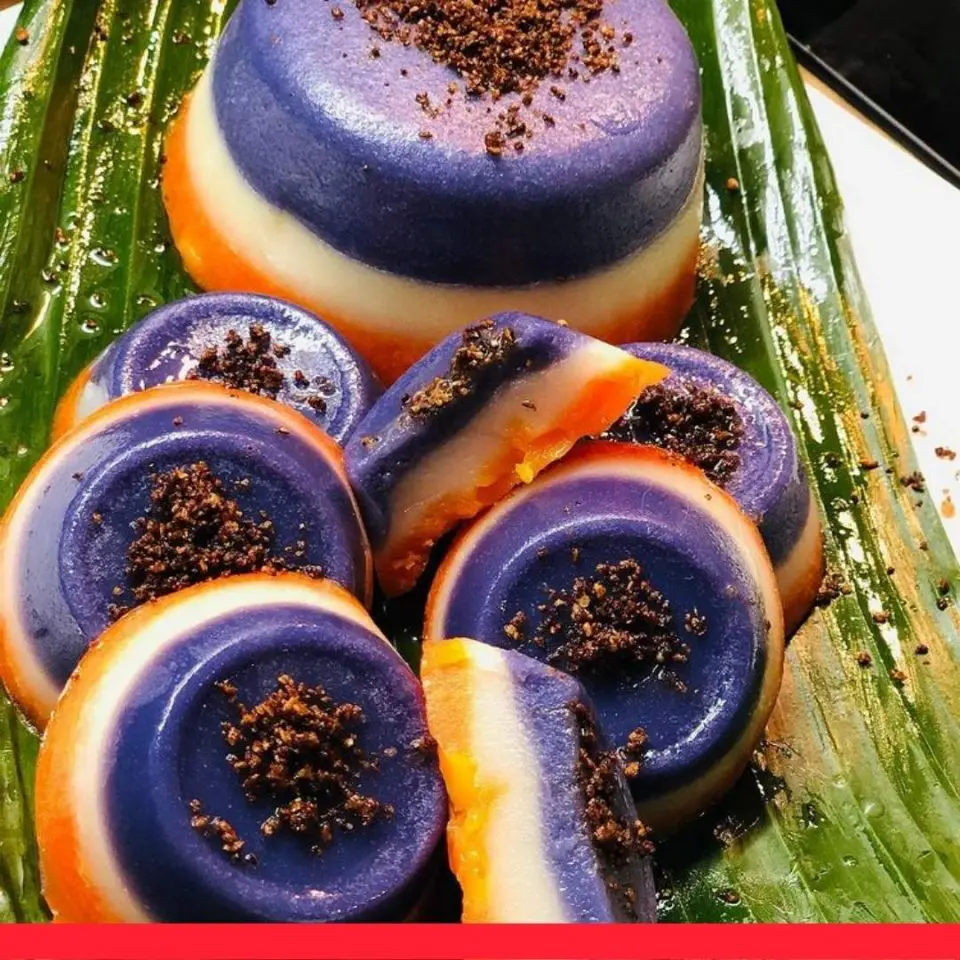
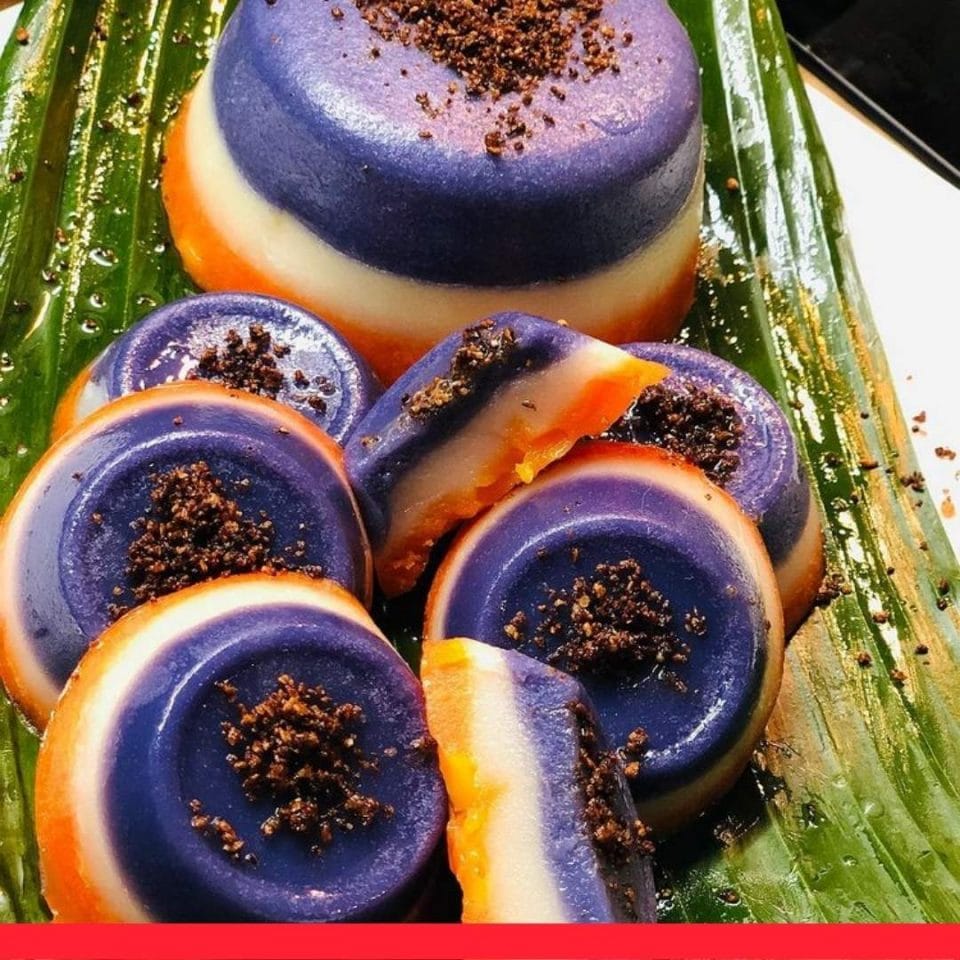
Ube, the famous purple yam used in Filipino cuisine to make sapin-sapin or ube halaya, is often mistaken for purple sweet potatoes. Ube has a naturally sweet flavor with nutty, vanilla-like notes and a creamier texture that makes it especially popular in desserts and baked goods. Its vivid purple color comes from well-known anthocyanins, while the tuber itself provides complex carbohydrates and fiber. Though most recognizable in ice creams, cakes, and sweet spreads, ube’s unique flavor has helped it become one of the world’s most recognizable purple vegetables.
Please let us know in the comments section below if we missed any of your favorite purple veggies.
Related: 17 Yellow Vegetables for More Colorful Cooking
Related: 21 Red Vegetables Packed with Flavor
Related: 35 Green Vegetables for Salads, Soups and Sides
Related: 13 Pink Vegetables to Brighten Your Plate
Related: 25 Naturally Purple Foods (With Pictures!)
Related: 21 Purple Fruits to Add to Your Diet