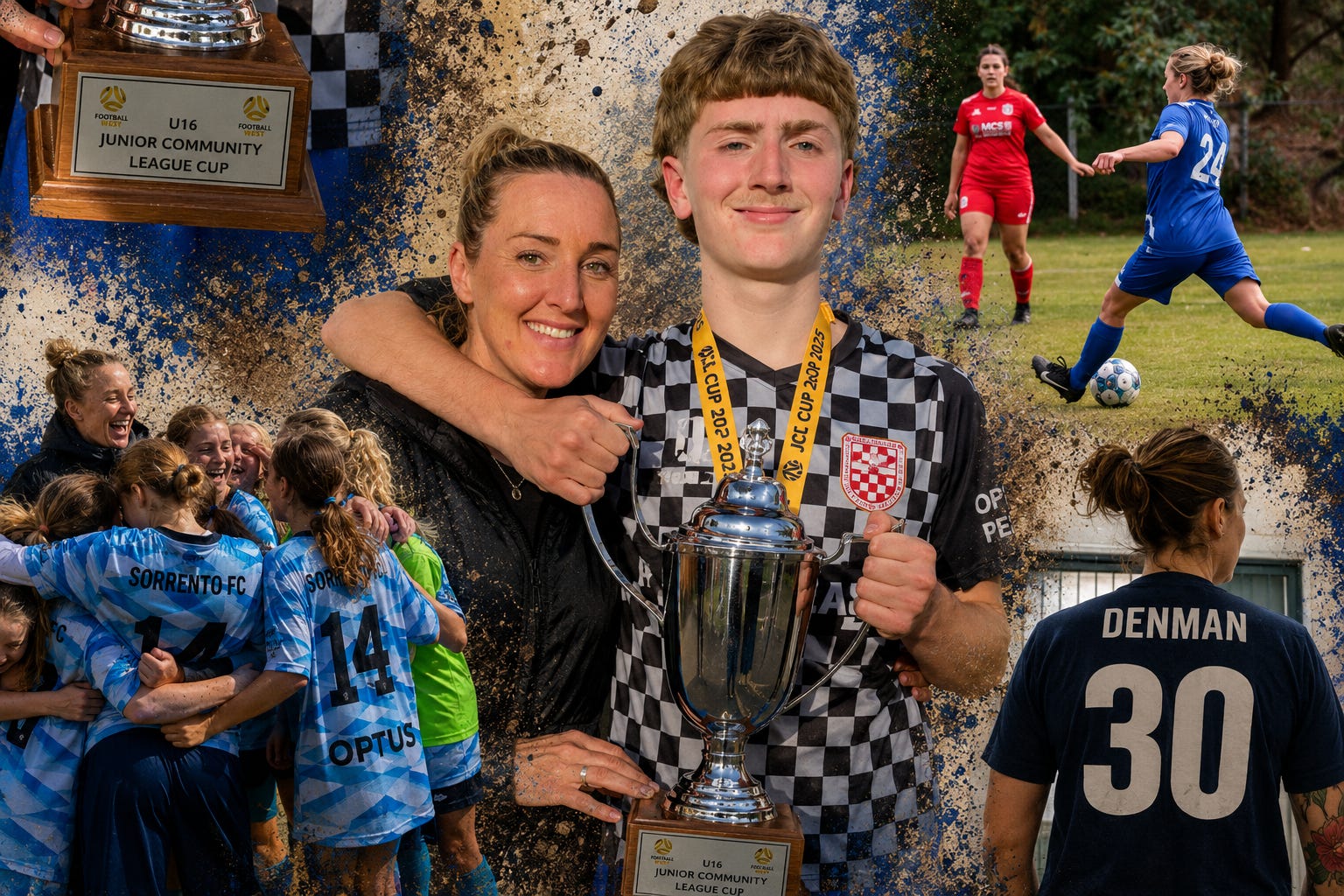
This story is part of our ongoing series From the Ground Up, a collaboration between Narratively and ScottsMiracle-Gro exploring the lives, memories, and connections rooted in the yards, fields, and green spaces we call home.
What separates the ones who rise from those who fall?
The vibration in my pocket startles me out of a daze. Patiently, or at least pretending to be, I’ve waited for the results of my fifteen-year-old son’s soccer trials. Every time I think about them, a tight nervousness curls in my stomach, the same anxious loop playing over and over.
Did he do enough? Did I? Will he get the chance he has worked fiercely for?
I anxiously pull up my messages, my heart thudding louder than it should for something so small as a phone screen.
He didn’t make it.
My chest caves in, heavy and airless. I’m already grieving for him. For the weeks of training, the kilometers run in the rain, the endless sprints in the grass, the way he never missed a session. All of it collapsing into a single line of text.
“I’m sorry, baby, you didn’t get in.”
I add a sad emoji, as if it might carry what I can’t express.
Almost immediately, I begin doubting myself. Maybe I pushed Cooper too far. Maybe I should have kept him safe, on a team where he could shine without risk.
My phone vibrates again.
“Why are you sad? I’m fine. This is just a sign to work harder.”
I stare at the screen.
I had been bracing for heartbreak and shutdown. Instead, my whole body feels his strength, his calm, his resolve.
Something loosens in my chest, not relief, but recognition.
Since becoming a mother, I made a commitment to myself that I’d show Cooper, and my daughter, Charli, what was possible. That no matter how hard it gets, I would never quit.
He is standing where I once had to teach myself so hard to stay.
I am already picturing the grass where it all began.
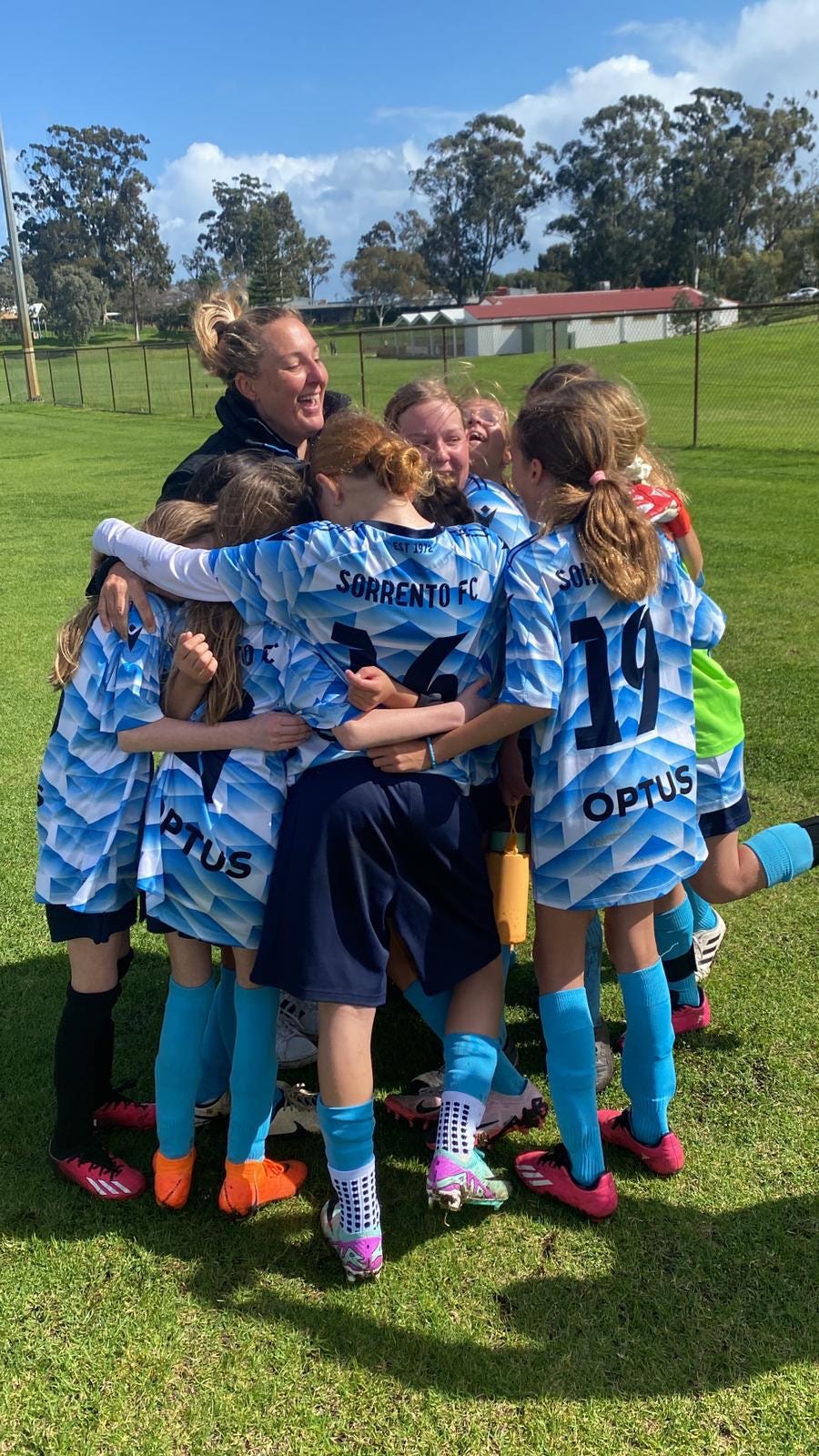
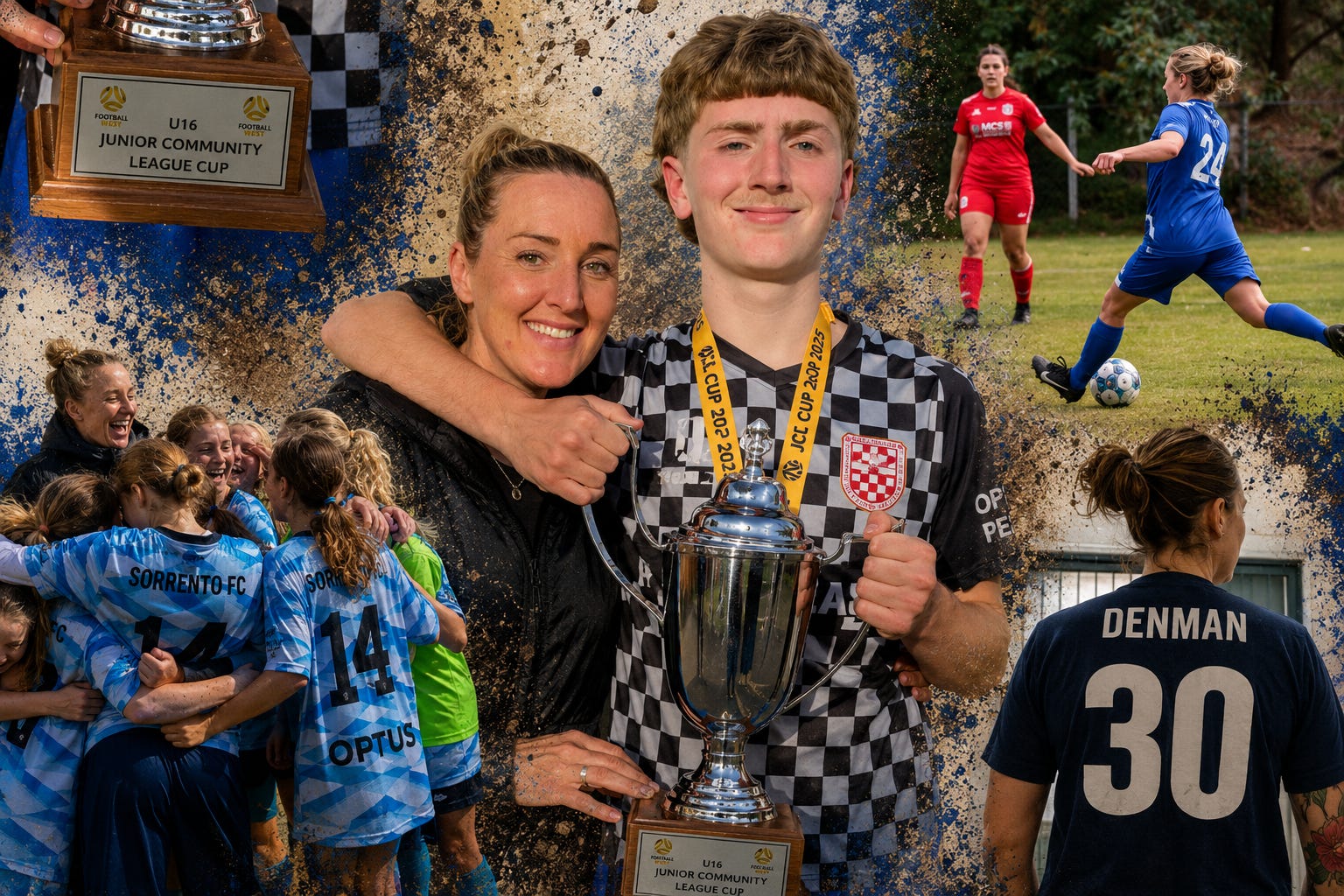
He was clumsy then, at ten. Too tall for his age, glasses sliding down his nose, a body still catching up with ambition. All legs and effort. Often a half-second behind the ball but determined as hell.
Cooper started at the bottom, the lowest division possible. He never idolized a single player like the other kids, he just wanted to reach the top himself.
Rain, hail, or shine, my blue camp chair was parked under the nearest tree. I’d catch my fingers tracing the purple and orange lotus tattooed on my left side, a mark I’d chosen to remind me of my commitment to myself and my children.
Like the lotus, I had learned the hard way that the most beautiful things grow from the mud, you just have to endure the darkness long enough to reach the light.
No mud, no lotus.
I taught Cooper early not to rush his goals. While other boys talked about state teams and superstardom, I’d kneel on the damp grass beside him. “No, Cooper,” I’d say, firm but soft. “Not the Premier League. Just one division better. That’s enough.”
Excellence, I told him, is built one skill at a time. You don’t need to be the best, just better than last week.
I would say it on the walk to training, and again in the car after a loss: “What’s one thing you can be better at next time?” Eventually, I wasn’t the one asking the questions. He would turn to me and say, “Mum, what could I have done differently?”
I’d give him one thing to master. And he would.
I taught him to grow this way because I had to learn it first.
I still carry the echo of my teammates laughing as seven goals slipped past me, their snickers following me as I cried myself off the field. And the sneer of the boy who told me I sucked. My only reply was a shove hard enough to knock him down, his head nearly landing on the goalpost.
I promised myself I’d never feel that humiliation again.
At twenty-one, the desire to try again pulled at me. At first it was just a kick in the park. Then a welcome invitation to join a social team.
I was petrified to fail.
My body had never learned skills easily, a trait I’d passed on to Cooper. Coaches would call instructions, “bend your knees,” “run differently,” and the words would reach my ears without landing. I was awkward, overly conscious. Every movement had to be learned slowly and deliberately. Always a step behind.
Only ever able to take one small step ahead.
Off the ball, it wasn’t much easier. I never quite fit in anywhere. To get by, I learned to read a room faster than I could read a book, to respond the right way, to wear confidence like a costume, louder and more extroverted than I truly felt inside. Something I would later understand as the way my autistic mind moved through the world.
And maybe that’s where it came from. That quiet, relentless determination. I had lit an inner fire to teach my children that nothing about the way I experienced the world would ever stop me — or them. Not the way my mind and body worked. Not the doubt. Not the setbacks.
Never once was I the best, but I was consistent.
And then, without ceremony, I found myself trialing for the state team.
The bathroom floor was cold. My knees burned on the tiles, arms wrapped tight around the toilet bowl as my body heaved.
I was twenty-seven. I had two children. What the hell was I doing believing I could make it? They were going to laugh me off the pitch again.
Wanting to be part of something, and not trusting that I was good enough to stay, cut deep.
I wiped my mouth. Took a breath. Stood up anyway.
Outside, the grass was bright and welcoming. I moved toward the manager with her clipboard. Girls surrounding her to sign in. The lights blared across the pitch.
With every bad pass, I punished myself for being there. Still, I kept going, determined to at least get to the end. Ninety minutes was achievable.
Somehow I made the reserves for the state team. Not the first team, but it was enough.
I’d finally planted roots in the place I wanted to grow.
I began the task of deepening my skills all over again. Nights kicking a ball against the house wall, dribbling in the park, studying the famed E.P.L., top flight of global soccer. The mind I was once devastated about became the very thing that set me apart.
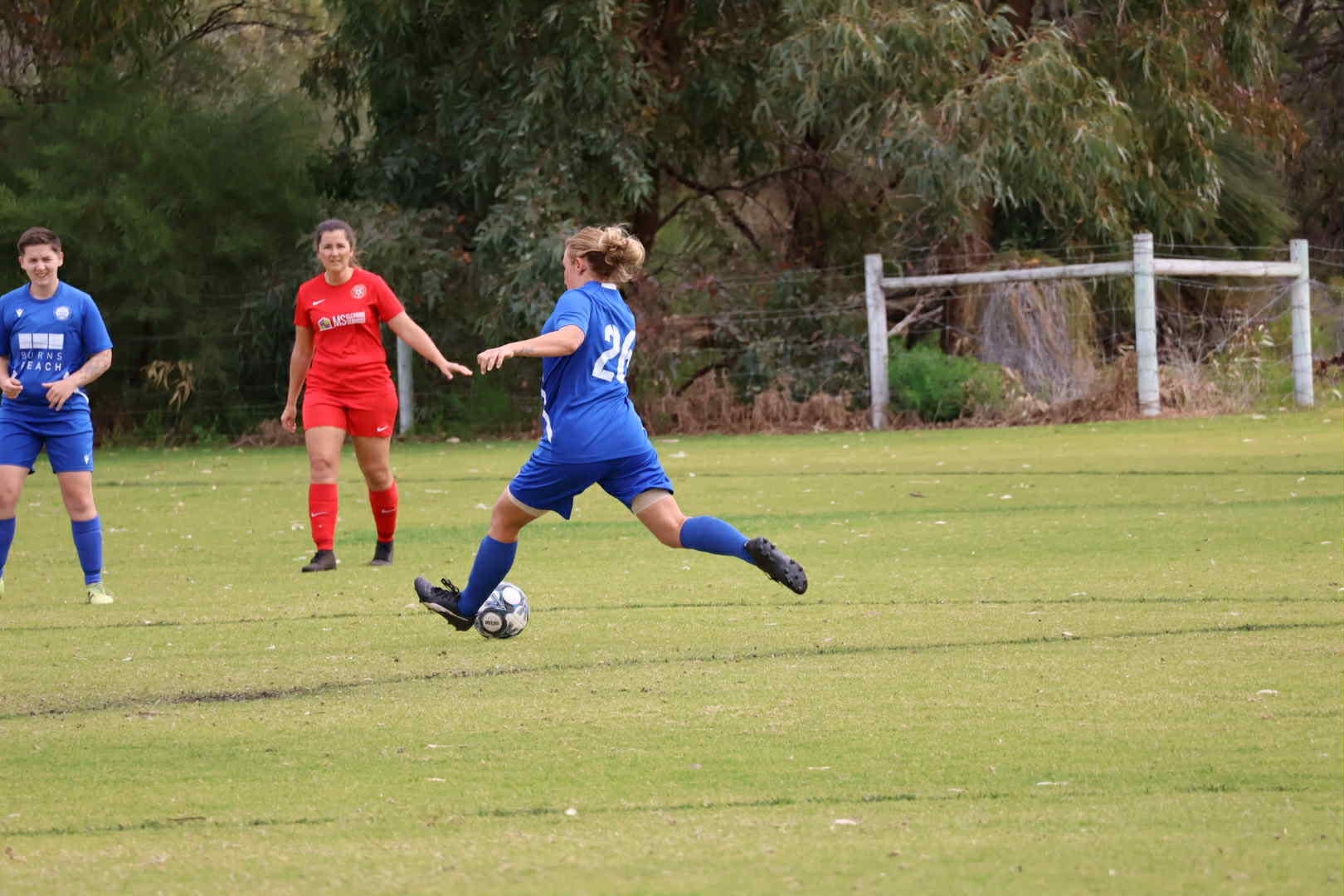
A year later I went straight past the first team and trialed for Perth, Australia’s National Premier League. I made it, playing my first games at the highest level in the state on my thirtieth birthday.
No fanfare, just a quiet inner victory I never thought possible, on the field where I finally belonged — where I suppose I’d belonged all along.
My phone vibrates again.
Correction: your son has been selected.
I sit there for a moment, engine running, my fingers tracing the lotus, thinking of Cooper’s earlier message, “I’ve just got work to do.”
At the tender age of fifteen, I knew he’d learned something far more important than being a star. That fulfillment isn’t from winning, instead it’s from the person you’re becoming along the way. The kind of confidence that settles deep in your bones.
A soft smile spreads across my face.
Cooper has reminded me of something I have fought so hard to claim: the pride in myself. Pride in my own quiet decisions to never stop, to keep going. Pride in knowing that despite every obstacle, my light has never faded.
Whether he was chosen or not was never the point.
He was the lotus all along.