Last Updated: November 21, 2026
Quick Summary
Gourmet spice blends for fish give you a reliable starting point, with each blend matched to a type of fish. Lighter white fish suits citrus and herb profiles, while richer fish like salmon handles smokier seasonings. Build your own spice blends for fish from salt, dried herbs and ground spices, adjusting one element at a time.
- Use 1 to 2 teaspoons of blend per 6-ounce fillet as a starting point.
- Start at the low end of seasoning for delicate white fish like cod and sole.
- A starter citrus-herb blend uses salt, dried dill, lemon peel, garlic powder and black pepper.
- Season fish 10 to 15 minutes before grilling or searing so the blend sticks.
- Store homemade blends in an airtight jar away from heat and light, labeled with the date.
Want a seafood blend that works?Savory Spice blends are handcrafted in small batches for bold, fresh fish flavor.
Table of Contents
- Why Fish Responds So Well to Seasoning
- Choosing a Gourmet Spice Blend for Your Fish
- Spices That Go Well with Fish
- Grilled Fish Spice Blend Ideas and Application
- Building a Homemade Fish Seasoning
- Seasoning Fish Without Overpowering It
- Start Seasoning Your Next Fish Dinner
- Frequently Asked Questions
Fish is one of the most forgiving proteins to season, yet it is also one of the easiest to under-flavor. A good gourmet spice blend for fish recipes gives you a reliable starting point, and a well-chosen set of spice blends for fish means you spend less time guessing and more time cooking. We build our seafood blends around the flavors that consistently work with fish, from bright citrus to gentle smoke. This guide walks you through how to choose a blend, which spices complement different fish, how to build your own, and how to season without drowning the catch.
Why Fish Responds So Well to Seasoning
Fish has a delicate, clean flavor that takes on seasoning quickly. Salt, acid, herbs and a little heat can transform a fillet in minutes, which is why seasoning matters more here than it does with many heartier proteins.
The trade-off is that fish can be overwhelmed. A heavy hand with a strong spice can mask the natural sweetness of the flesh. The goal is balance: enough seasoning to make the fish taste like itself, but more so.
USDA guidance on seafood preparation and cooking
Choosing a Gourmet Spice Blend for Your Fish
Look for a blend that matches the fish you cook most often. Lighter, flakier fish such as cod, halibut and trout suit citrus and herb profiles. Richer, oilier fish such as salmon can handle smokier, more assertive seasonings.
Our Seafood Seasonings Fish Spices are built for exactly this decision, and our Spices Seasonings For Salmon is designed for cooks who want one of our spice blends for fish already matched to that fish.
When you compare blends, check the ingredient list and look at the flavor profile, since a citrusy blend and a smoky blend will taste very different on the same fillet.
Spices That Go Well with Fish
Some pairings are classic for a reason. Lemon peel and dill bring brightness, black pepper adds bite, and garlic deepens savory notes without taking over. For smoke, smoked paprika works well on salmon and shellfish.
For something more global, coriander and cumin add warmth to grilled fish, and a touch of fennel brightens delicate white fish. Experiment gradually. Start with one or two spices and taste as you go.
Grilled Fish Spice Blend Ideas and Application
Grilling concentrates flavor, so a good grilled fish spice blend can carry a whole meal. Pat the fillet dry, coat it lightly with oil, and press the blend onto the flesh side. Let it rest for 10 to 15 minutes before grilling so the seasoning sticks.
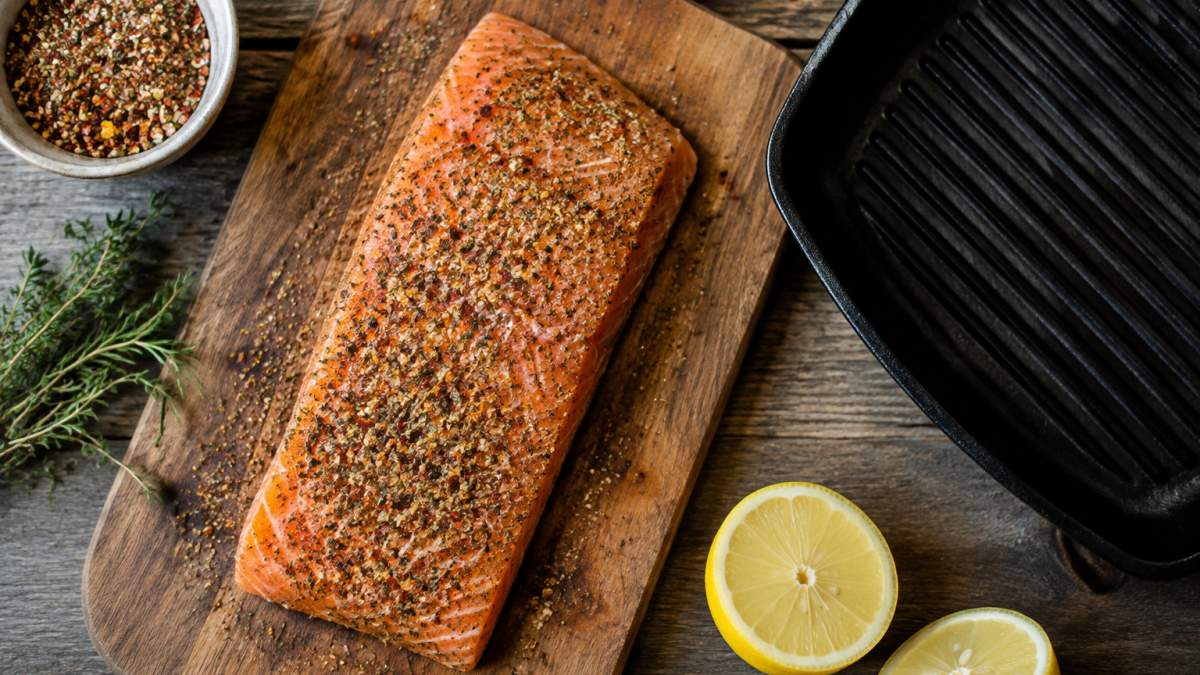
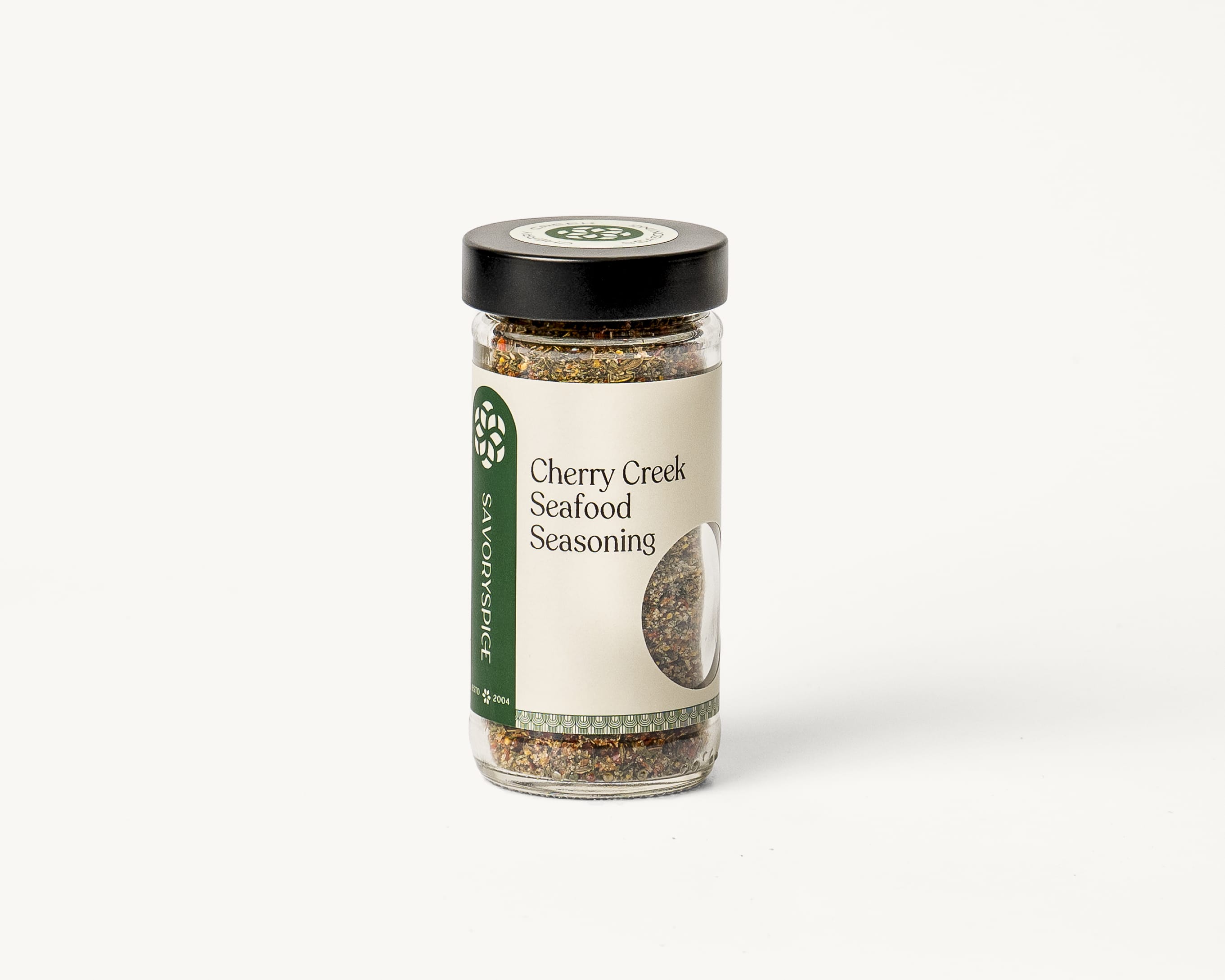
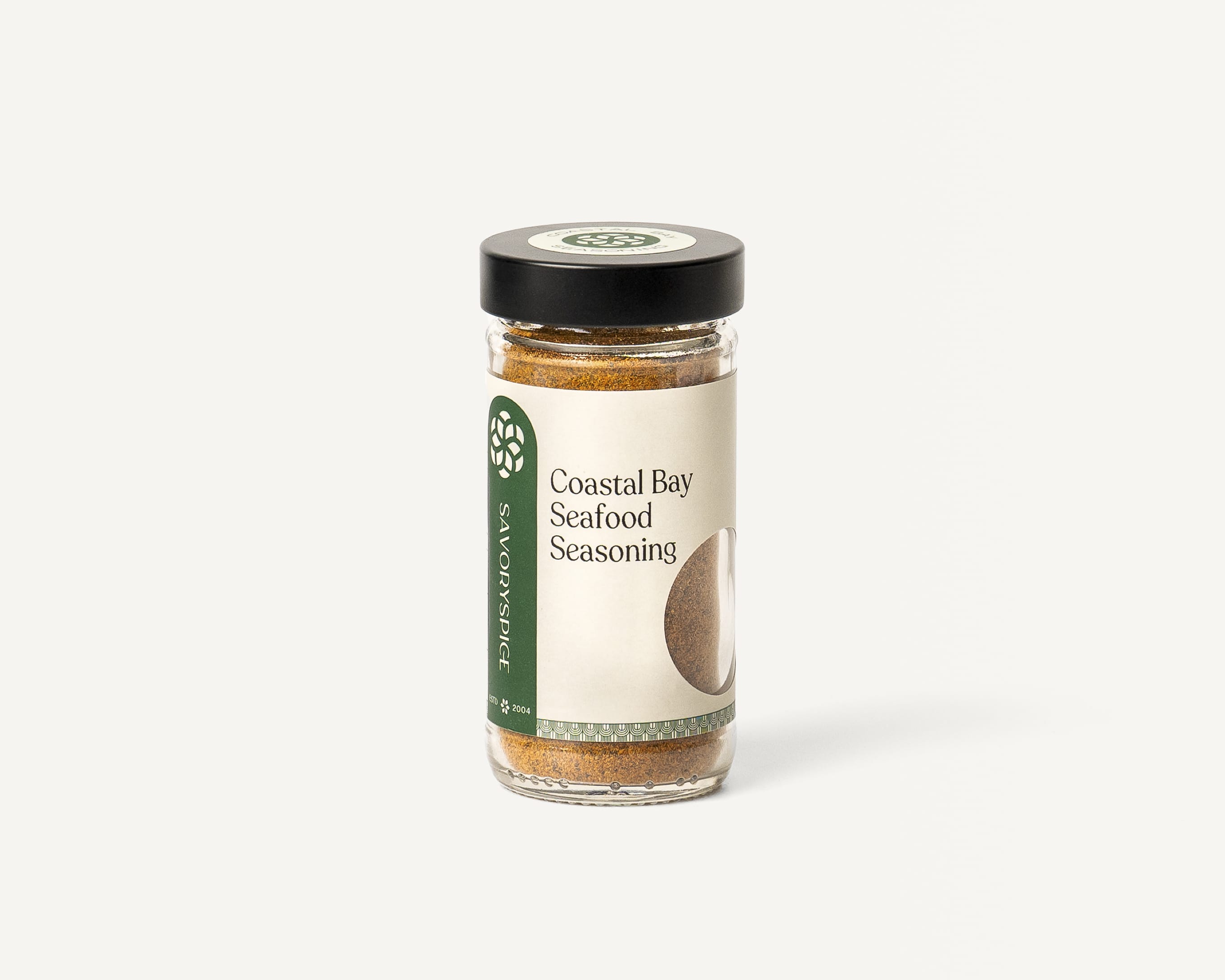
Our Cherry Creek Seafood Seasoning pairs lemon and dill with two peppercorns, making it a natural fit for white fish and salmon. For a warm, savory option, Coastal Bay Seafood Seasoning brings cardamom, clove and mace alongside pepper and paprika.
Building a Homemade Fish Seasoning
A homemade fish seasoning is where you take control of the salt level, the heat, and the exact flavor direction. The goal is a blend that tastes complete on its own but still lets the fish speak. A reliable starting ratio is 3 parts salt to 2 parts dried herbs to 1 part ground spice, then adjusted from there. That base gives you structure without burying the fillet.
Start with a master batch measured in tablespoons so you can taste and adjust before committing to a jar. A good working formula for a citrus-herb blend is 3 tablespoons fine sea salt, 2 tablespoons dried dill, 1 tablespoon dried lemon peel, 1 tablespoon garlic powder, and 1 teaspoon black pepper. For a smoky version, swap the lemon peel for 1 tablespoon smoked paprika and add 1/2 teaspoon ground chipotle. For a warm, aromatic blend suited to grilled fish, use 3 tablespoons salt, 1 tablespoon ground coriander, 1 tablespoon ground cumin, 1 tablespoon dried oregano, and 1 teaspoon fennel seed crushed fine.
Mix in a bowl, then taste a pinch on a piece of cooked fish rather than raw, salt and spice read differently on a hot fillet. Adjust one element at a time: more salt for roundness, more acid (lemon peel or citric acid) for brightness, more heat only if the blend still tastes flat after salt and acid are balanced.
Batch sizing matters. A small jar of about 1/2 cup is enough for roughly 8 to 10 fillets at 1 to 2 teaspoons per portion, so you are not stuck with a stale blend. Store homemade blends in an airtight jar away from heat and light. Label the jar with the date so you know when to remix.
Substitutions keep you cooking when a jar runs out. No dill? Use dried tarragon or chervil for a softer anise note. No lemon peel? A small amount of dried orange peel or a pinch of citric acid works. No smoked paprika? Sweet paprika plus a drop of liquid smoke at the pan, or a little ancho chili powder, gets you close. No fennel? A pinch of ground anise or celery seed carries a similar aromatic lift.
Watch out: adding salt to a blend that already contains salty components like garlic salt or bouillon will push the total sodium higher than you expect, so taste before you season the fish.
FDA food storage guidance for dried spices
Here is a quick side-by-side of the starting formulas covered in this section, so you can see how each blend is built.
| Blend | Core ingredients | Best for |
|---|---|---|
| Citrus-herb | Salt, dried dill, lemon peel, garlic powder, black pepper | Delicate white fish |
| Smoky | Salt, smoked paprika, chipotle, garlic powder | Salmon and oilier fish |
| Warm aromatic | Salt, coriander, cumin, oregano, fennel seed | Grilled fish |
Seasoning Fish Without Overpowering It
Overpowering fish is almost always a salt or heat problem, not an herb problem. A useful rule of thumb is 1 to 2 teaspoons of blend per 6-ounce fillet, or about 1/2 teaspoon per 4 ounces of shellfish. Start at the low end for delicate white fish like cod, sole, and tilapia, and move toward the higher end for oilier fish like salmon, mackerel, and bluefish that can carry more seasoning.
Timing changes the result. For pan-searing and grilling, season 10 to 15 minutes before cooking so the salt has time to draw moisture to the surface and the blend adheres; pat the fillet dry first and oil lightly. For baking, season right before the oven so the herbs do not scorch. For poaching and steaming, season more lightly and finish with a pinch of the blend or a squeeze of lemon after cooking, since water carries away some of the volatile aromatics.
Salt-free and low-sodium adjustments are straightforward. If you are watching sodium, build the blend without salt and season the fish with a measured pinch of salt separately, or use a salt-free blend and finish with lemon juice and zest for lift. A common pattern is to keep a salt-free base blend and a small dish of salt on the counter so each diner controls their own level.
Heat level is the other dial. For a mild blend, cap cayenne or chipotle at 1/4 teaspoon per 1/2 cup of blend. For medium heat, 1/2 to 1 teaspoon. For a real kick, 1 to 2 teaspoons, but only on assertive fish like salmon or tuna. If a blend tastes too hot on the fish, balance it with a little acid (lemon or lime) and a fat (butter or olive oil) rather than adding more salt.
Watch out: seasoning fish and letting it sit longer than about 20 minutes before cooking can draw out moisture and leave the fillet dry, especially with fine salt, so season close to cook time.
USDA guidance on seafood preparation and cooking
Start Seasoning Your Next Fish Dinner
Pick one fish you cook regularly, choose a blend that suits it, and season it this week. Notice how the flavor changes with each adjustment. Our team at Savory Spice is always happy to help you find the right blend for your next meal.
Frequently Asked Questions
What are some good seasoning blends for fish?
Citrus-and-herb blends work well on delicate white fish like cod and halibut, where lemon peel and dill brighten the flesh without masking it. Smoky blends built on smoked paprika suit salmon and trout, especially when grilled, because the char complements the fat. Warmer, savory blends with coriander, cumin or a touch of cardamom pair nicely with shrimp and shellfish. Start with a small amount, taste, and adjust, since most fish seasonings need only a light, even coat to bring out the natural flavor.
What is the best spice for fish?
There is no single best spice for fish, because the right choice depends on the species and cooking method. Smoked paprika is a dependable starting point for salmon on the grill, while lemon pepper and dill suit white fish. Black pepper and garlic are versatile across most types of fish. Savory Spice’s Cherry Creek Seafood Seasoning, priced at $10.95, is a good all-purpose option built on lemon, dill and peppercorns, and it works on salmon, cod, halibut and trout.
How do you season fish without overpowering its flavor?
Use a light hand and season just before cooking, or let the seasoning sit for about 15 minutes so the salt and aromatics can work into the flesh. Pat the fillet dry first so the rub adheres. Choose blends that complement rather than compete with the fish, such as citrus and herbs for mild white fish. Save bold, smoky blends like Pearl St. Salmon Rub, priced at $14.95, for richer fish that can stand up to them.