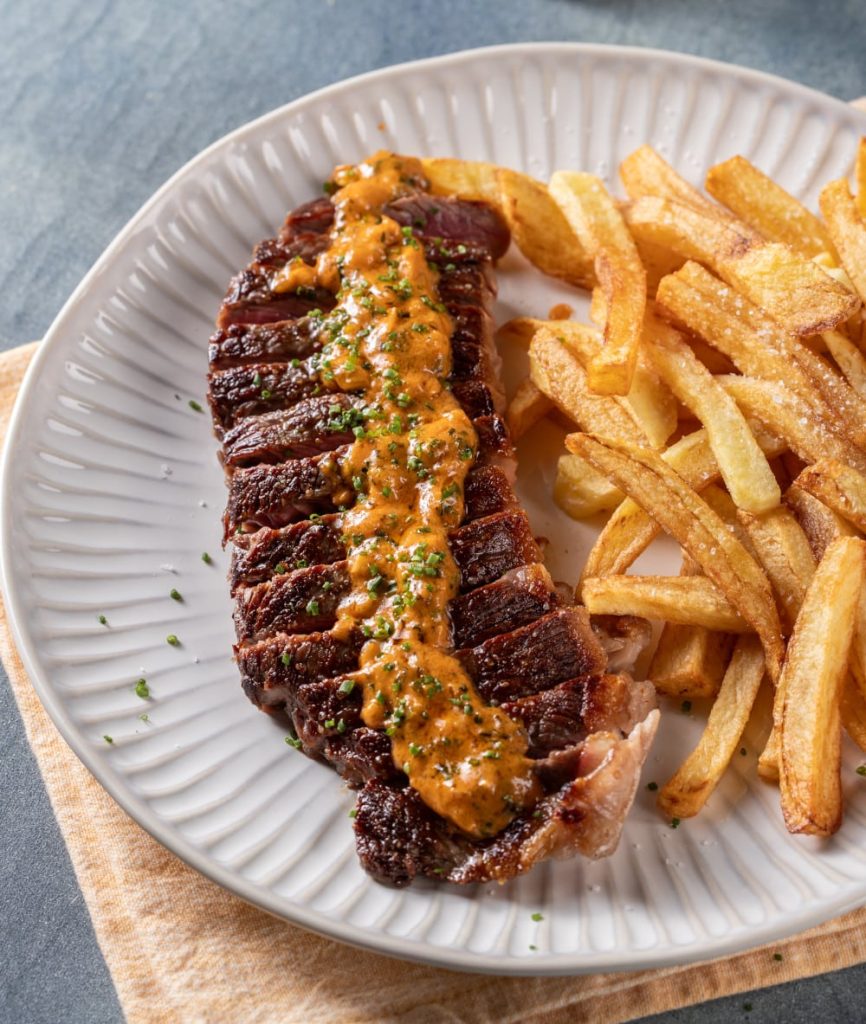

For operators, the pressure is coming from every direction at once. The challenge facing restaurants today is not simply about surviving rising costs. It is about figuring out how to protect margins, maintain menu quality, improve operational efficiency, and still give guests a compelling reason to come back — all without dramatically increasing complexity or investment.
That is where practical solutions matter. According to Chef Chris Gatto and Chef Cian Leahy of Ken’s Foods, the operators finding success right now are not necessarily the ones making sweeping changes. Instead, they are the operators learning how to maximize the ingredients, labor, and systems they already have in place. From smarter ingredient cross-utilization and simplified prep systems to menu differentiation strategies and labor-saving flavor solutions, the Ken’s culinary team works directly with operators to identify realistic ways to improve efficiency and profitability without overhauling the entire operation.
The focus, they explained, is on helping operators do more with less. “That can mean using one sauce or dressing across multiple menu applications to reduce inventory while expanding menu variety,” Chef Chris noted. “It can mean streamlining proteins and relying on marinades, aiolis, and flavor systems to create differentiation without adding SKUs. It can mean helping lean kitchen teams execute more consistently through ready-to-use products that reduce prep time, training demands, and operational variability.”
Just as importantly, it means helping operators create menu excitement and perceived value without significantly increasing food costs or labor pressure.
For Gatto and Leahy, the role of the Ken’s culinary team extends well beyond supplying products. Their approach centers on collaboration, consultation, and understanding the operational realities restaurants are facing every day.
The goal is simple: help operators identify smarter, more profitable ways to compete in an increasingly difficult environment while protecting both kitchen efficiency and guest experience.
Gatto said the Ken’s culinary team spends significant time helping operators identify opportunities for ingredient cross-utilization. “We call it our ‘Plus One’ approach,” Chef Chris continued. “Take something an operator already uses every day and elevate it with one additional flavor component. A ranch becomes a buffalo ranch. A balsamic vinaigrette becomes a roasted tomato herb dressing. A sauce becomes a marinade, a spread, or a finishing drizzle. Suddenly, one ingredient can support multiple menu applications without adding inventory pressure.”
According to Chef Cian Leahy, that kind of flexibility has become critical as operators work to reduce waste and improve purchasing efficiency. “Every operator is looking at inventory more carefully today,” Chef Cian detailed. Nobody wants coolers full of ingredients that only work for one item. The more versatile your ingredients are, the more efficient your kitchen becomes. That’s one of the biggest opportunities operators have right now to improve profitability without compromising quality.”
Labor shortages continue to be another major concern across every segment of foodservice, from quick-service restaurants to hotels and healthcare dining operations. “Labor is one of the biggest pressures operators are facing,” Gatto said. “That’s why consistency and ease of execution matter so much. Everything we make at Ken’s is ready to use. Operators aren’t spending valuable labor hours mixing sauces from scratch or trying to train multiple employees on complicated prep systems. We’re helping simplify execution.”
Chef Cian added that operators are increasingly looking for ways to streamline kitchens while maintaining quality and speed. “Consumers still expect a great experience. They still want flavor, quality, and consistency, but operators are often trying to deliver that with leaner staffs and faster ticket times. Simplified prep systems, organized kitchens, and ready-to-use products help operators protect consistency while reducing labor strain.”
Protein costs also continue to challenge operators, particularly as beef prices remain elevated. “We’re seeing operators simplify proteins instead of carrying multiple variations of the same product,” Chef Cian added. “Instead of having several chicken SKUs, they’ll focus on one grilled chicken platform and create different flavor experiences through sauces, marinades, and aiolis. The guest still gets variety, but the kitchen becomes much easier to manage.”
Chef Chris pointed to sauces and flavor systems are increasingly becoming strategic tools for operators trying to create premium menu experiences without dramatically increasing food costs.
The chefs also pointed to menu differentiation as a growing priority across foodservice. “Everybody wants to stand out right now,” Chef Cian said. “We’re seeing huge demand for Korean flavors, Vietnamese-inspired sandwiches, spicy aiolis, global flavor profiles, and layered sauces. Operators want menu excitement, but they need solutions that work operationally.”
Chef Chris explained that Ken’s often collaborates directly with operators to help develop signature flavor profiles and customized menu strategies. “Sometimes it’s about helping an operator create a signature sauce,” Gatto said. “Other times it’s about refreshing an existing menu with smaller strategic upgrades that create a completely different guest perception. The goal is always to help operators stay current and competitive without overcomplicating the kitchen.”
Speed of execution has also become increasingly important as operators balance dine-in, takeout, delivery, and off-premise dining demands. “We’re seeing operators invest heavily in efficiency,” Chef Cian added. “Whether it’s new cooking technology, high-speed ovens, or streamlined prep systems, speed matters more than ever. But operators still can’t sacrifice quality. That’s where sauces and marinades can help — retaining moisture, improving hold times, and helping products maintain consistency even in faster cooking environments.”
For Chef Chris, some of the best-run kitchens still rely on one timeless operational principle. “Mise en place still matters,” Gatto said. “The kitchens that succeed are the kitchens that stay organized. Everything in its place. Constant state of readiness. Technology helps, but operational discipline is still what drives consistency and profitability.”
Beyond product solutions, both chefs emphasized the importance of collaboration and consultation during difficult economic periods.
“We see ourselves as partners, not just suppliers,” Chef Cian concluded. We work directly with operators to understand their labor challenges, menu goals, profitability targets, and operational realities. Every restaurant is different, and our job is helping them find practical solutions that fit their business.”
“The operators who win right now are the ones making smarter decisions with the resources they already have,” Gatto noted. “It’s not always about spending more money. It’s about maximizing ingredients, simplifying execution, protecting consistency, and staying focused on the guest experience.”
For restaurant operators, chefs, foodservice professionals, and distributors interested in learning more about Ken’s Foods culinary consultation, menu strategies, and value-added solutions, visit https://www.kensfoodservice.com/ for more information.
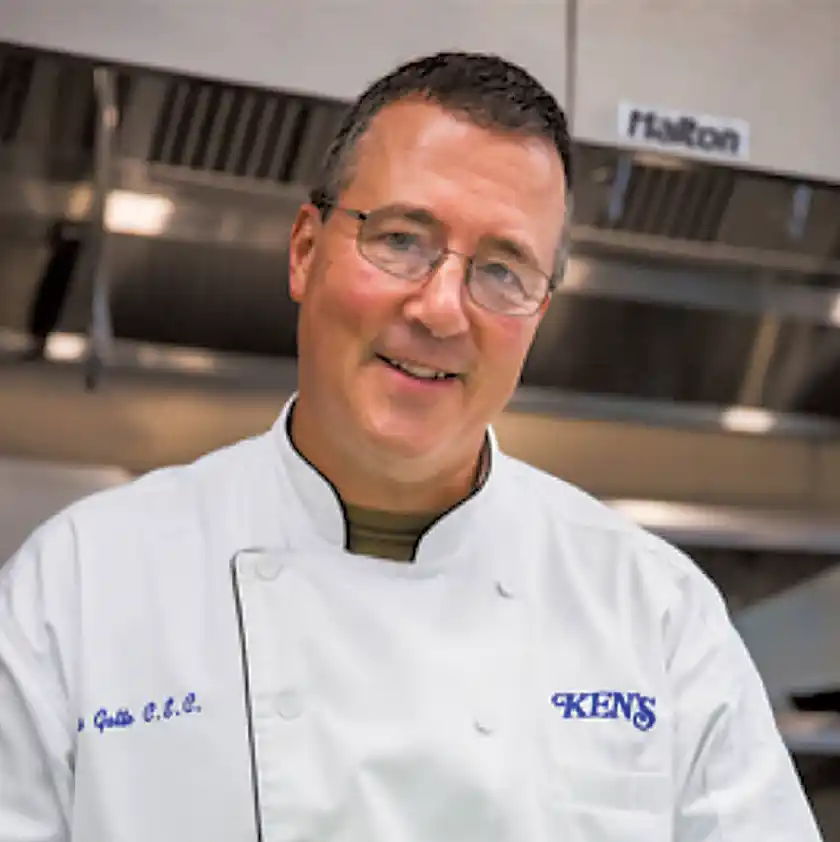
Chris Gatto, Corporate Executive Chef (CEC), brings a unique blend of manufacturing expertise and operational insight to his role as Corporate Executive Chef, enabling him to craft culinary solutions that cater precisely to customers’ needs while ensuring they are practical for execution at the unit level.
With an Associate Degree in Culinary Arts, a Bachelor’s in Food Marketing, and a Master of Arts in Teacher Education, Chris combines a strong academic foundation with real-world experience. As a Certified Executive Chef with the American Culinary Federation and an active member of the Research Chefs Association, he remains at the forefront of industry trends and innovations.
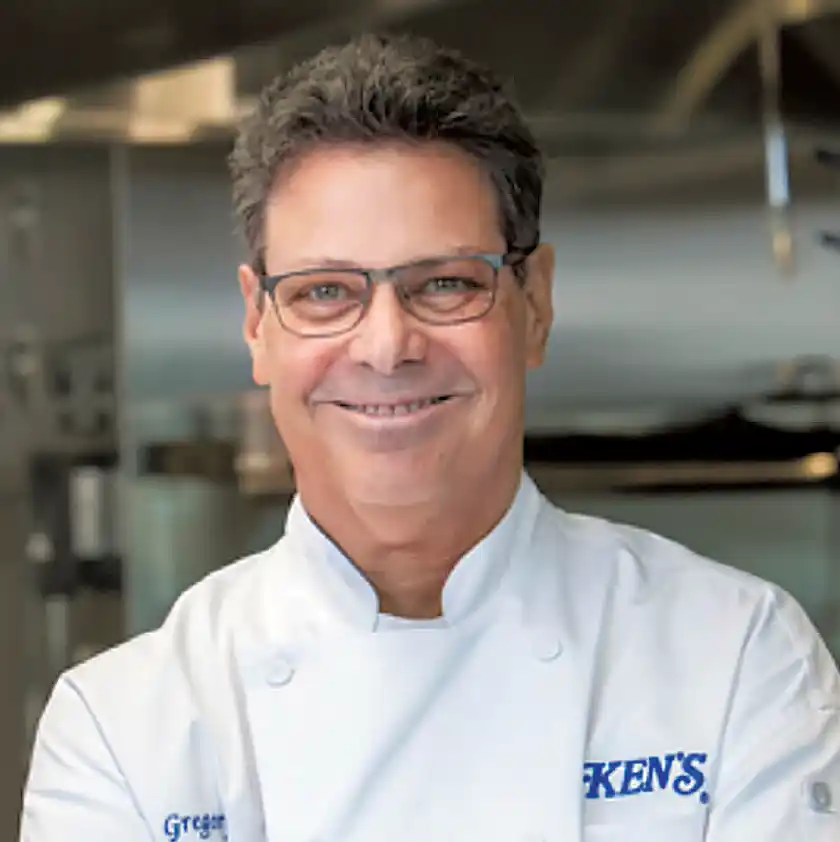
Gregory Schweizer, Corporate Executive Chef, is devoted to delivering high-quality culinary solutions through knowledge, strategy, and innovation.
His extensive training includes studies at the Culinary Institute of America (CIA), Le Istituto Culinario de Toscano, Halliburton Institute of Technology, Eckerd College Management Development Institute, Darden University, and the Applebee’s Leadership Institute.

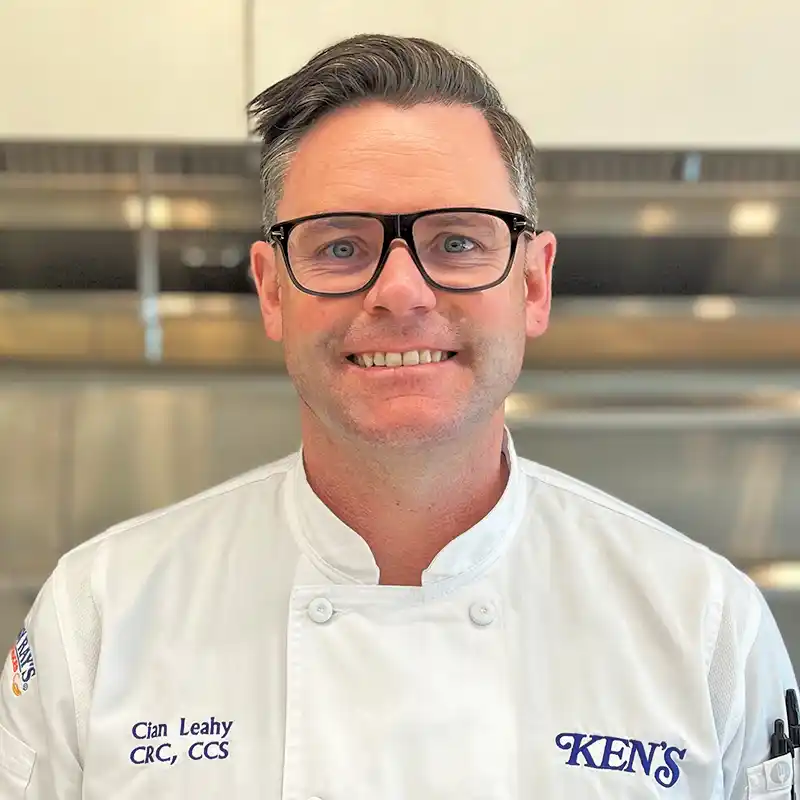
Cian Leahy, Corporate Executive Chef is, a Certified Research Chef (CRC) and Certified Culinary Scientist (CCS), blends fine dining roots with over 20 years in food manufacturing working with brands like Taco Bell, Subway, and Pizza Hut.
He holds degrees in Food Science and Culinary Arts and currently serves as Chair of the Certification Committee for the Research Chefs Association.