That broader definition creates an interesting opportunity for foodservice operators. At a time when many consumers are looking for experiences that feel more intentional, restaurants can potentially deliver wellness without turning the menu into a collection of restrictions.
That philosophy has long been embedded in Japanese dining traditions and particularly in omakase, where guests place their trust in the chef and experience a carefully sequenced meal one course at a time. “Wellness isn’t always about telling the guest what they shouldn’t eat,” said Dan Zelkowitz, VP of Business Development for Sushi by Boū. “There is another side of wellness that comes from being present. With omakase, you aren’t studying a huge menu, making ten decisions and rushing through the meal. You’re allowing the chef to guide you through an experience, one piece at a time.”
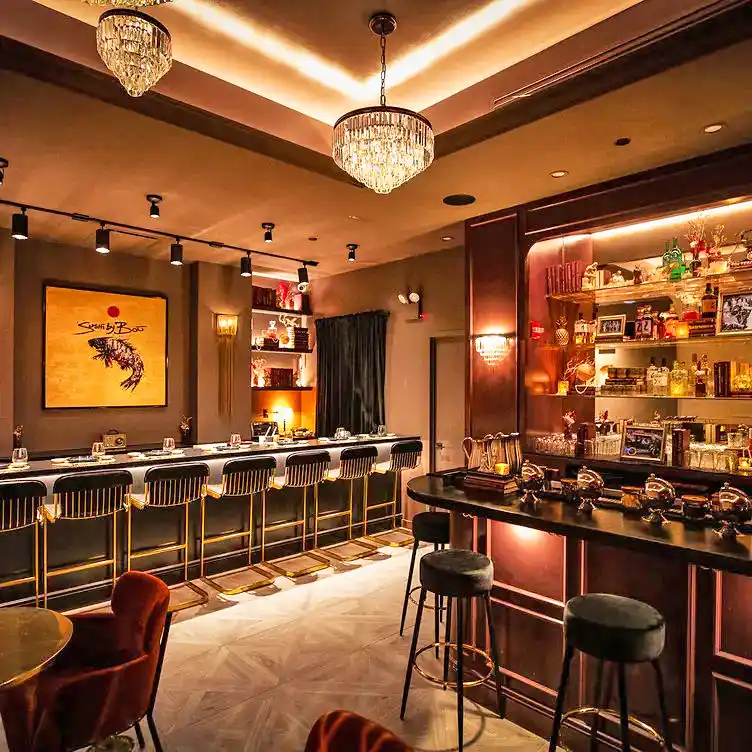
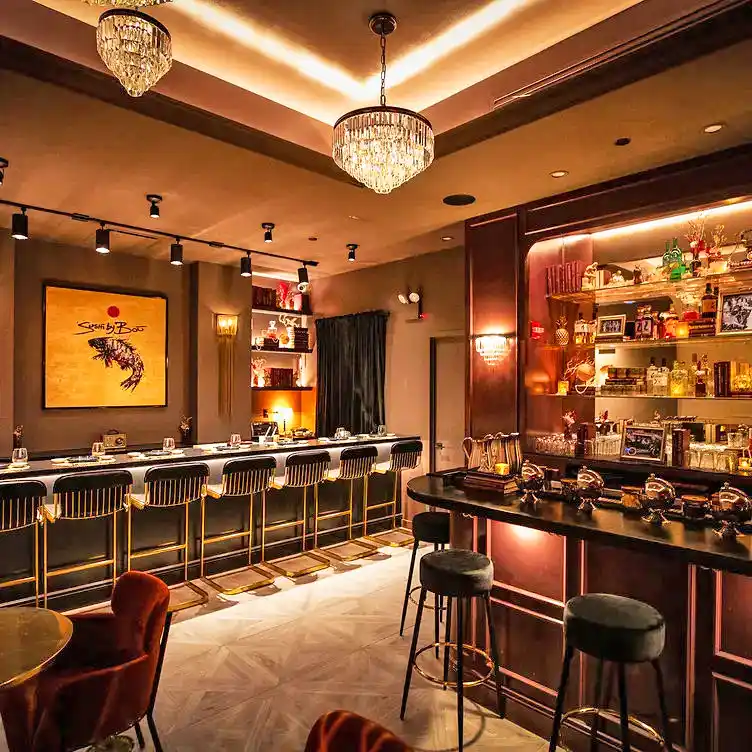
For operators accustomed to large menus and highly customizable dining, that represents a dramatically different approach. Omakase removes much of the traditional ordering process and replaces it with trust, interaction and storytelling between the chef and guest. At Sushi by Boū, that connection is intensified by the physical format. With just 12 seats at the counter, the restaurant is designed to keep guests close to both the chef and the preparation process.
The intimacy also creates an opportunity to control pacing. Rather than relying on oversized entrées to communicate value, omakase can create satisfaction through a progression of smaller portions, ingredient quality, variety and timing. “For years, restaurants were taught that value meant more food on the plate,” Zelkowitz noted. “Experiential dining gives us another way to think about value. A guest can leave completely satisfied because they experienced multiple flavors, textures and interactions without feeling that the restaurant needed to overwhelm them with quantity.”
That approach could have relevance well beyond sushi. Operators confronting high food costs are already looking more carefully at portioning, menu engineering and SKU utilization. A more deliberate course structure can potentially allow a restaurant to focus purchasing on ingredients that have a clear role in the guest experience rather than simply expanding menus.
Ingredient quality, sourcing and seasonality become even more important when there are fewer components on the plate. “When you simplify the presentation, there is nowhere for the ingredient to hide,” Zelkowitz detailed. “Quality has to carry the experience. That forces you to think carefully about sourcing, seasonality, yield and supplier relationships. The challenge from an operating standpoint is finding the intersection between what is exceptional for the guest and what makes financial sense for the restaurant.”
The beverage program adds another dimension to the experience. Rather than treating drinks as an afterthought, Sushi by Boū has developed a robust cocktail program that enables guests to pair the omakase progression with cocktails, sake and other beverages while also providing the operation with an important additional revenue opportunity. “The cocktail program is part of the experience, not something that sits separately from the food,” Zelkowitz outlined. “The right drink can complement the flavors coming across the counter and extend that sense of discovery. From an operator’s standpoint, it also creates an opportunity to build beverage sales around an experience that guests are already engaged in.”
The model presents a distinctive labor equation as well. A small footprint does not necessarily mean a simple staffing model. In an intimate operation, team members need to understand multiple parts of the restaurant rather than remaining confined to narrowly defined positions. “Our people really have to understand the entire operation,” Zelkowitz said. “The staff is involved in everything from prep and setup to interacting with the guest, serving and maintaining the flow of the experience. In a 12-seat environment, everybody has to be accountable because there is nowhere for a breakdown in execution to hide.”
The sushi chefs themselves carry an especially visible role. At the counter, the chef is simultaneously preparing food, controlling timing, communicating with guests and helping create the entertainment and educational value of the meal. “The chef isn’t working behind a wall,” Zelkowitz explained. “The guest is watching every movement. Technical ability is obviously critical, but hospitality is just as important. You need somebody who can prepare the food at a very high level while also reading the room, talking to guests and understanding when to educate and when to simply let them enjoy the moment.”
That cross-functional approach can create staffing efficiencies, but it also raises the importance of training. When employees touch multiple parts of the operation, consistency depends on each team member understanding not just his or her individual task but the entire guest journey. That becomes particularly important as restaurant brands attempt to scale an experience that is built around intimacy. “Scaling something personal is very different from scaling something transactional,” Zelkowitz detailed. “You need standards around product, prep, training, hospitality and execution, but if everything becomes scripted, you lose the magic. Our job is to create the guardrails that protect the experience while still letting the personality of the chef and team come through.”
That balance may offer a lesson for operators across segments. As restaurants continue to face consumer resistance to higher prices, the question increasingly becomes not simply what a meal costs, but what the guest believes he or she received in return.
Ultimately, the growing overlap between experiential dining and wellness could influence much more than menu development. Restaurant design may become more intimate, service may become more interactive, and operators may increasingly look for ways to slow parts of the dining experience down even as they continue searching for efficiency behind the scenes.
“I think the opportunity for operators is to recognize that efficiency and intentionality don’t have to conflict,” Zelkowitz concluded. “You can run a disciplined operation while still giving guests permission to slow down. As people become more selective about where they spend their dining dollars, restaurants that can create that sense of connection are going to remain relevant.”
To learn more, visit https://www.sushibybou.com/