That same thinking led to b.culture, the fermentation project Svensson created with business partner Will Moffat. Instead of discarding trims and by-products, they transform ingredients such as langoustine heads, scallop muscles, cheese rinds, bread, seaweed, and vegetable scraps into garums, seasonings, and other products, often finding that the overlooked part of an ingredient can become the most interesting one.
In this week’s Chef of the Week feature, Svensson talks about how his Skåne upbringing shaped his palate, why fermentation is still widely misunderstood, how sustainability can fuel creativity rather than limit it, and where he sees Nordic cooking heading next.
It definitely shaped me. The food I grew up with had a big influence on my palate and the way I cook today. In many ways, the ingredients we had then are the same ones I work with now, and the way we ate as a family throughout the different seasons has definitely influenced me as a chef and shaped my style of cooking.
As a Swedish chef, and with my Skåne background, I might look at ingredients a little differently from my Norwegian colleagues. I don’t have the same traditional food culture or culinary heritage as they do. But the culinary world today is much more open and international, so I think those differences have less of an impact than they would have 20 years ago.
That said, there are still some clear differences between Swedish and Norwegian flavours, and I think you can notice some of those influences in my food.
Yes, it’s definitely a buzzword and something everyone is trying to implement in their own kitchens. I think we’re doing really well in some areas, but there’s always room to improve. Continuous improvement is very much part of the mindset here at Kontrast; trying to be better day by day and month by month is simply how we work. Whether it’s sustainability, creativity, the work environment, or the guest experience, they’re all equally important.
When it comes to sustainability, it’s something that’s very close to my heart. On a day-to-day basis, that’s reflected in the ingredients we choose, how we care for them, and how we maximise their use as we work towards a zero-waste approach.
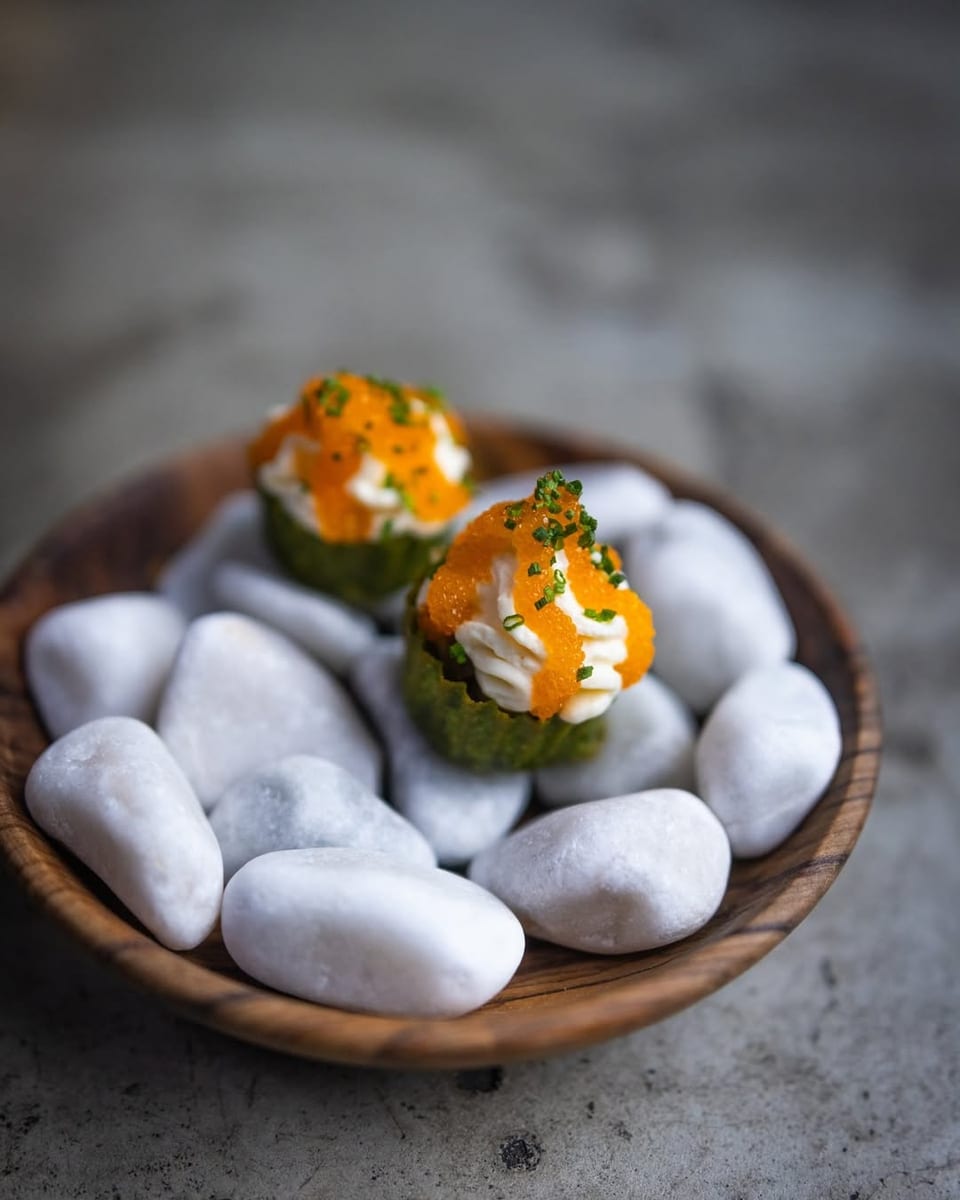
It started quite early, when I began to recognise that there was potential beyond just the main part of an ingredient. I started thinking more about how we could use every part of a product and how we could preserve flavours to carry them into another season.
For me, the more we experiment and learn, the more interesting it becomes. Every new technique opens up more possibilities, and sometimes the way we end up using a by-product is actually more exciting than the original ingredient itself.
It’s actually my business partner, Will Moffat, who has to crack most of the codes at b.culture. He’s the real fermentation wizard. I usually come to him with an idea of what I want to achieve and how I want it to taste, and then he has to figure out how to make it work.
That said, I’d say the different cheese garums have been some of the trickier ones to tackle. Fat can be a bit of an enemy in the fermentation process, so getting those right took more work.
I think people often get the wrong impression when they hear the word fermentation. When someone says they don’t like fermented foods, I think they’re often just unaware of how broad fermentation actually is and what it can bring to a dish.
It can add both depth and freshness, depending on how you use it. That versatility is what fascinates me most: it can be used simply to build flavour, to preserve ingredients for another season, or even to completely change their texture.
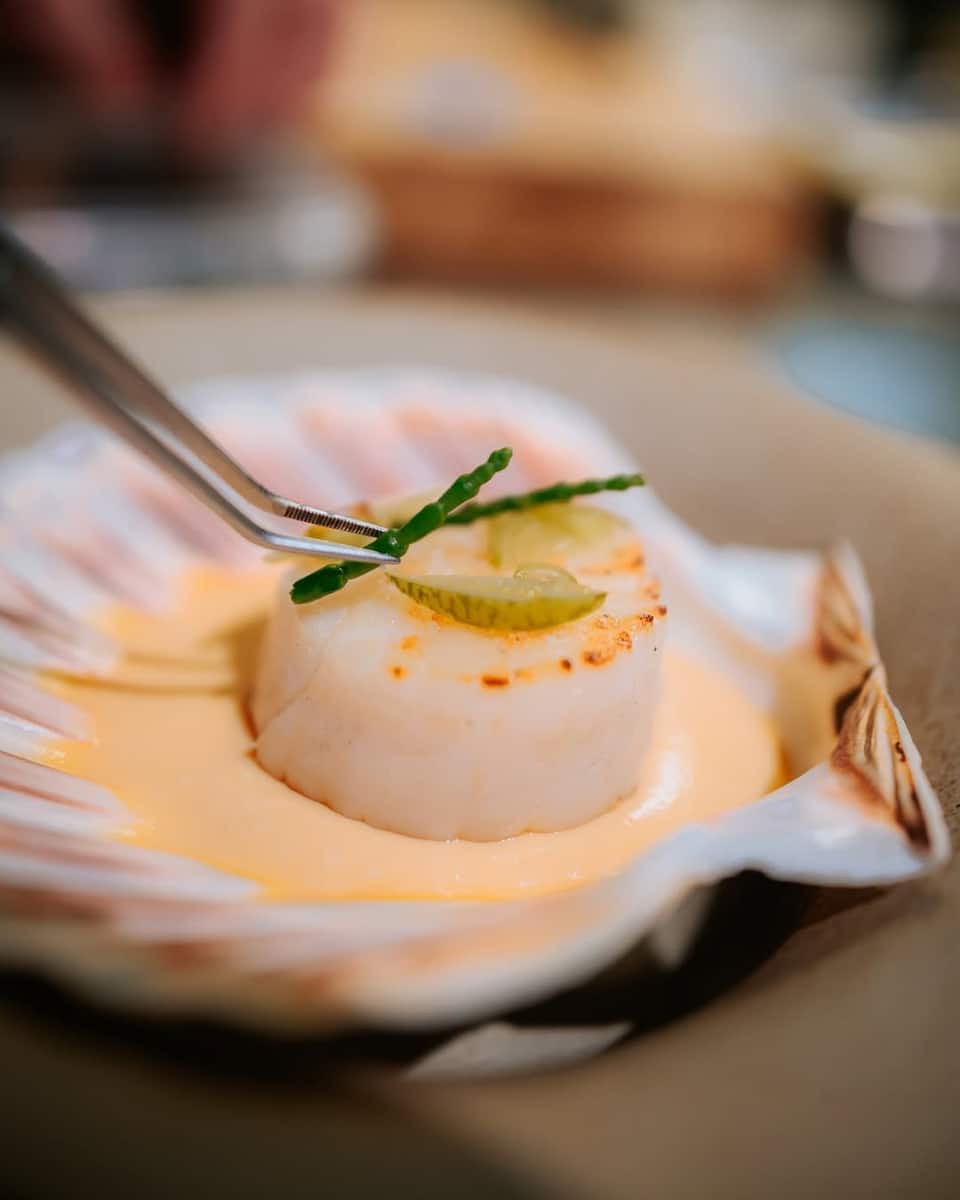
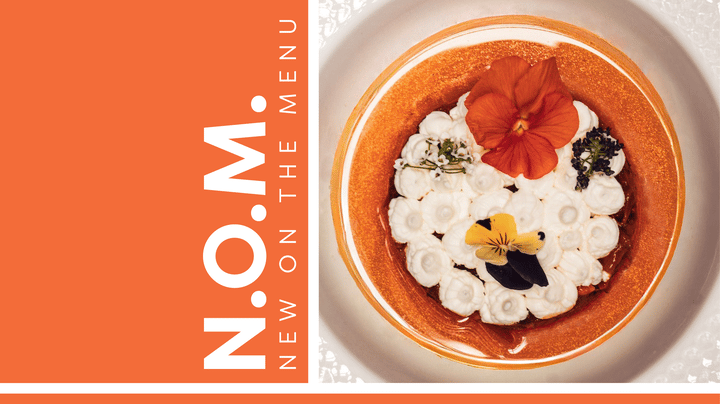
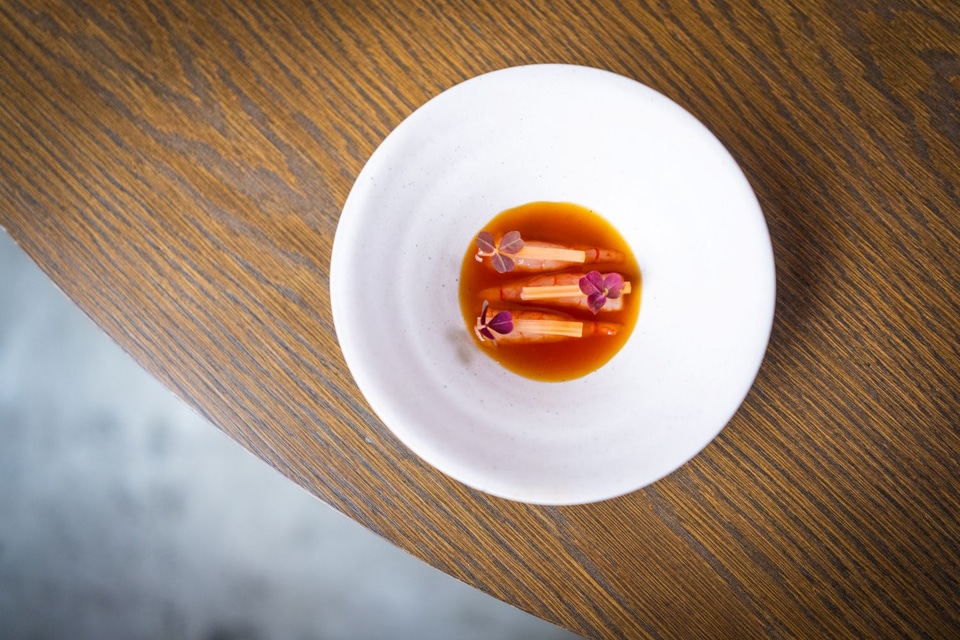
I would say our current scallop dish. It’s a dish where we use every part of the scallop. The small muscle, which is normally discarded, is turned into a garum, while the skirt is used to make both a broth and a glaze. The broth becomes the base of a chawanmushi, which we season with foraged, in-season meadowsweet. The roe is marinated and grilled, then served alongside the scallop itself.