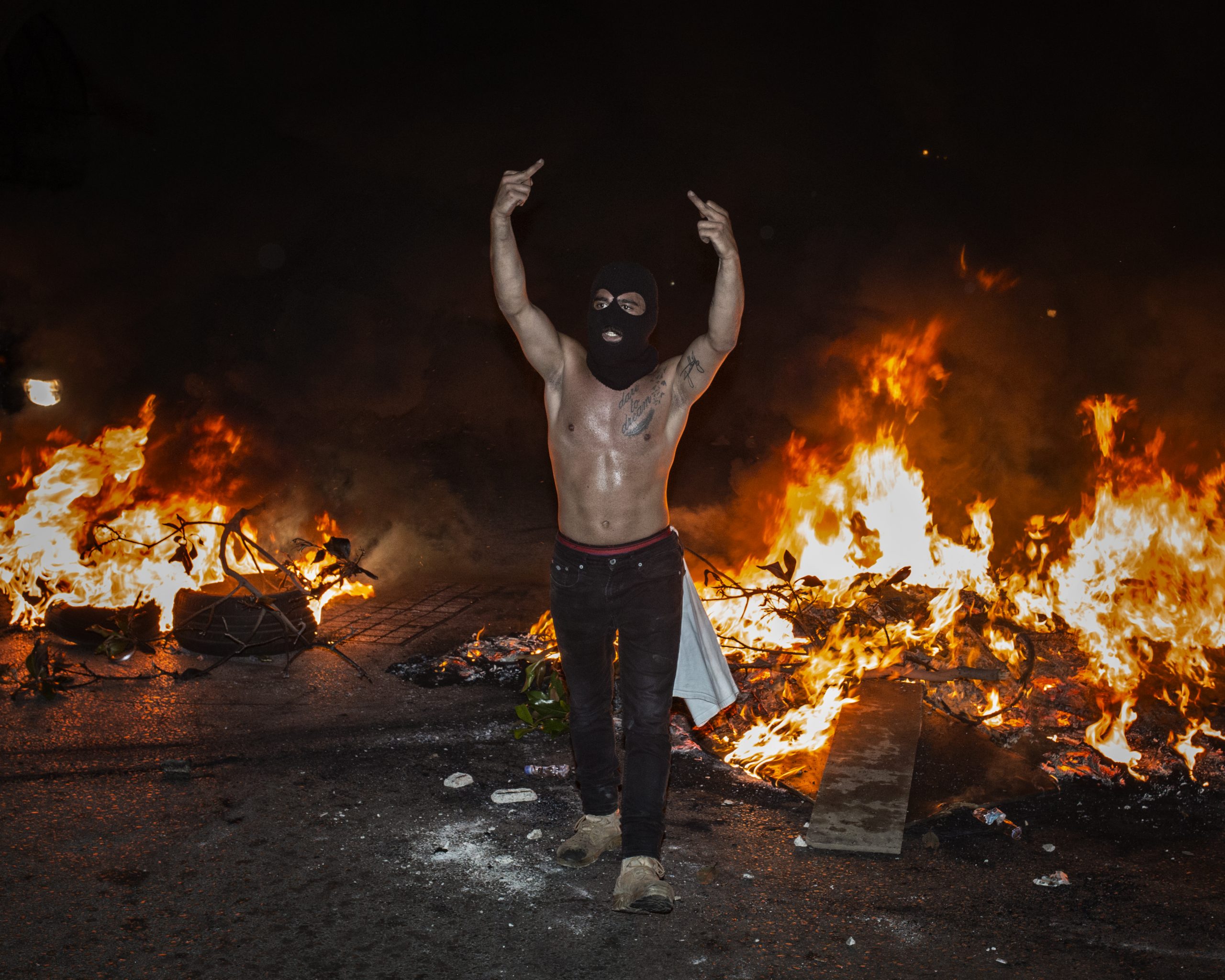
It can be tempting to think of economic collapses as being on the softer end of the crisis scale. Compared to the concrete misery of wars and natural disasters, they can seem a bit abstract, more of a spreadsheet disaster. When Lebanon’s economy fell apart in 2019 there was nothing abstract about it. I was living here (insulated from the worst by my foreign currency and passport) and every day I would hear heartbreaking stories. People who couldn’t pay for their kids’ cancer treatment. People who couldn’t eat. People who had broken their bodies working for decades, only to lose everything they had saved at the moment they retired. The worst of it was that it was an entirely human-made disaster, and the people responsible lost nothing.
So, when people across Lebanon started robbing banks to steal back their own money, it was no wonder that these bank robbers became folk heroes in Lebanon. They embodied everybody’s frustration and vicariously eased the sense of impotence. When I met Abdallah, Bassam and Sali for the first time I was struck by the impression that what they had really retrieved from the banks was dignity. The money was important, but when they spoke, it was an afterthought compared to the fact that they stood up and did something. In a world where so many people in every country find themselves struggling with rising costs and falling agency, this story has resonated with people around the world.
Deep Dives
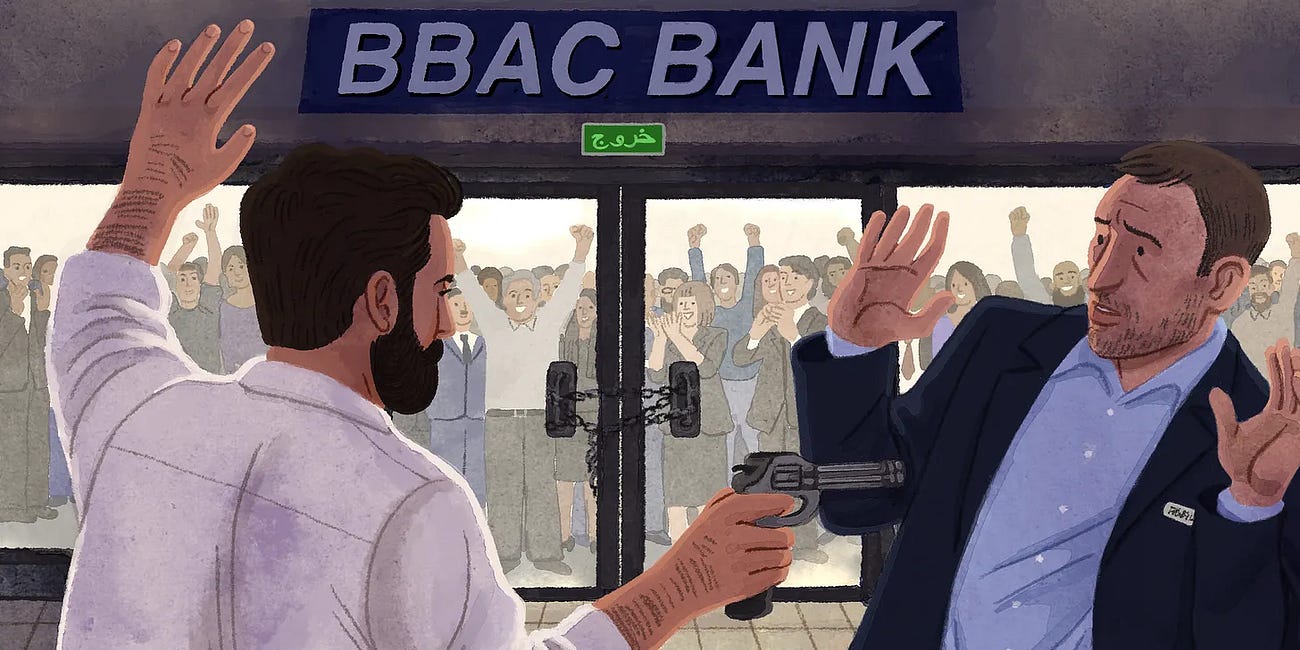
For many readers, the catastrophic financial collapse that hit Lebanon in 2019 likely got lost in the never-ending parade of plagues, wars and crises that have dominated the news this past decade. But whether you know anything about Lebanon or not, this brand-new story is a truly riveting read. Beirut-based reporter and photographer Jacob Russell brings us the tale of three ordinary people who were fed up with being left behind — and took dramatic action.