The numbers support the momentum. US Foods named empanadas its leading food trend for 2026, citing Datassential research showing 7.6 percent menu growth during the previous year and another 4.3 percent projected over the next four years. The research also found that 51 percent of consumers loved empanadas and 18 percent were eating them weekly.
Few entrepreneurs have been more prepared for that opportunity than Ariel Barbouth, Founder and CEO of Nuchas. His path included finance and venture capital, a move into food, hands-on retail experience and an operational mindset focused on repeatability and scale. That combination helped him see the empanada not only as a culturally important food, but as a platform for American foodservice.
The idea crystallized in Buenos Aires. On the final evening of a visit from international friends, Barbouth skipped the expected restaurant outing and ordered boxes of empanadas to share at home. Watching guests from different backgrounds connect with the food convinced him that the format had universal potential. “I had grown up with empanadas as part of everyday life in Argentina, but that evening had shown me that the experience traveled across cultures,” Barbouth said. “I believe there is no reason the empanada could not earn a place in America alongside pizza, tacos and other great handheld foods.”

Barbouth and his wife, Leni, arrived in New York in 2009 with an ambition to reinterpret the Argentine staple for a wider audience. Nuchas opened a Times Square kiosk in 2011, gaining a demanding proving ground filled with tourists, commuters, office workers and theatergoers. The concept later expanded through additional locations, mobile operations, wholesale programs and large-volume accounts. “We never wanted the product to become only a nostalgia item,” Barbouth added. “We wanted it to respect where it came from while giving chefs and operators the freedom to use flavors from everywhere.”
That philosophy turned the empanada into what Nuchas describes as an evolution of handheld food. Argentine beef connects to the brand’s roots, while chicken, sausage, vegetarian, vegan, breakfast and sweet applications broaden the opportunity. The dough can carry familiar comfort foods, globally inspired recipes or custom creations for a particular venue. “The empanada works because the format is already complete,” Barbouth noted. “It carries food with a controlled portion and allows the guest to eat it without a plate, fork or complicated service system.”
For operators facing high labor costs, training challenges and pressure to reduce waste, those advantages are timely. Nuchas products arrive frozen and ready to heat and serve. They can be finished in convection, rapid-cook, pizza and other dry-heat ovens, helping kitchens deliver consistency without mixing fillings, rolling dough or assembling each order from scratch.
“We did our homework to understand the prep needs before the product reaches the operator,” Barbouth continued. “The kitchen only has to heat it, give it the right color and serve it, which has reduced labor, limited waste and protected consistency. Remember we live it by running our own units.”
The format also scales. Barbouth described production runs serving thousands of guests at major events and accounts that quickly increased orders from thousands to tens of thousands of units. Nuchas has targeted restaurants, colleges, healthcare, airports, airlines, stadiums, convention centers, theaters, corporate dining and other high-traffic environments.
“We can produce 10,000 empanadas in two hours with two ovens, and the biggest task had been loading and unloading the trays,” Barbouth detailed. “That performance had made the product a strong solution for catering, concessions and other high-volume programs.”

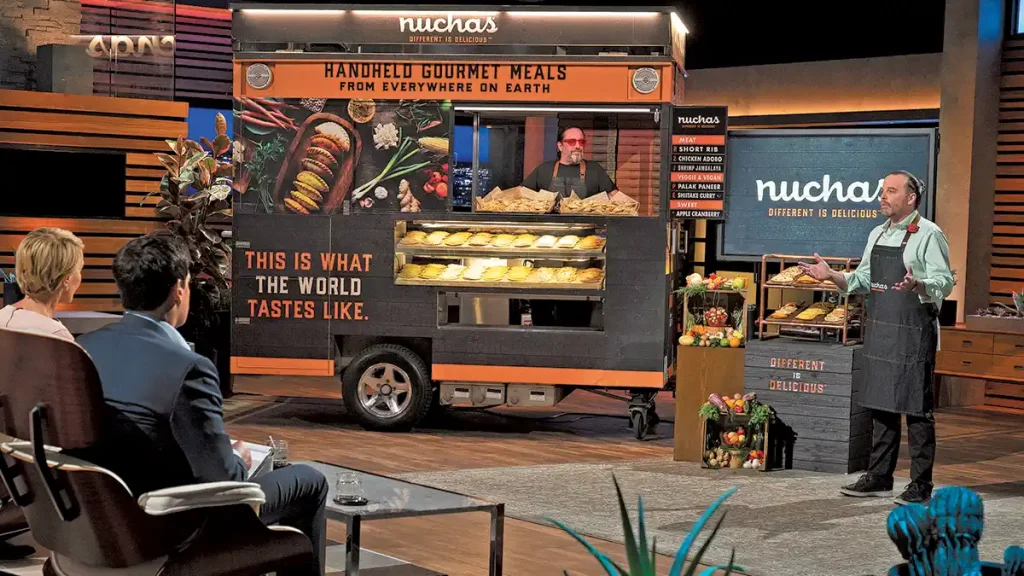
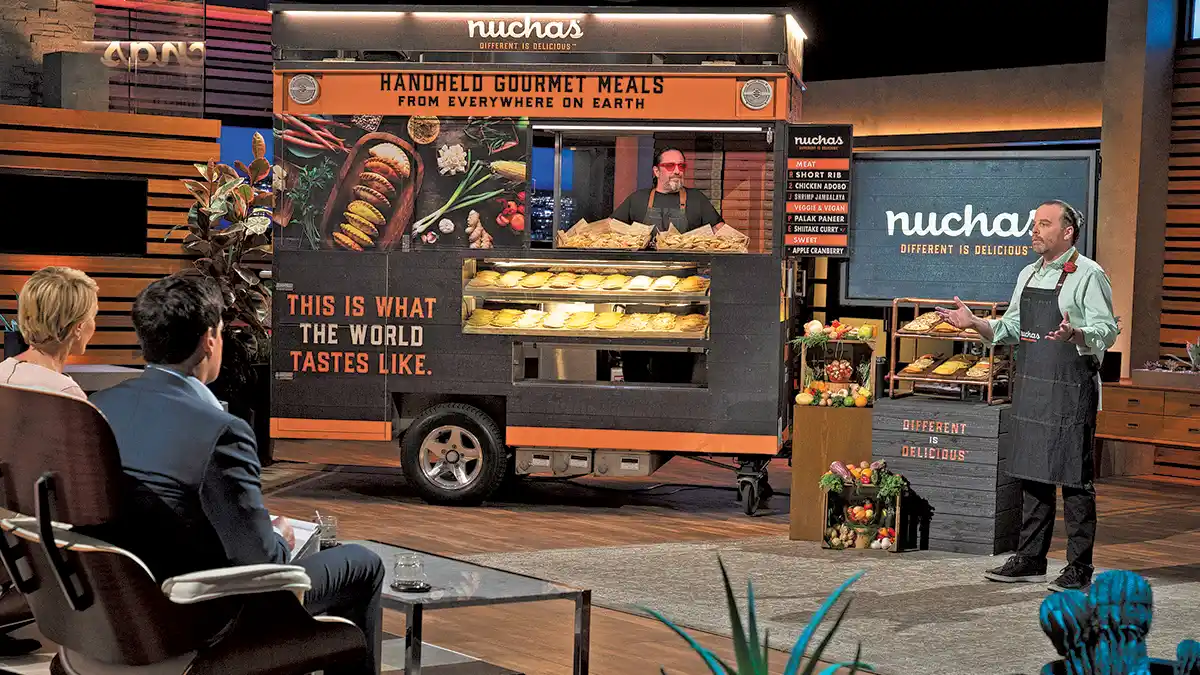
Barbouth’s 2019 appearance on ABC’s Shark Tank brought Nuchas to a national audience. Although he received offers, he left without a deal because he did not believe the potential partnerships provided the long-term alignment he wanted. The experience tested his command of the business and reinforced the importance of protecting the brand while pursuing growth.
“The Shark Tank experience had been amazing because it forced me to communicate exactly what we had built and where it could go,” Barbouth outlined. “The offers had value, but I had learned that a partner needed to share the same direction, not simply agree on a valuation.”
As Nuchas expands, Barbouth maintained that scale can not come at the expense of quality. The company invested in certified manufacturing capacity and equipment that increased output, while protecting batch preparation, dough quality, fillings and ingredients. Nuchas now promotes national distribution, small starting minimums and custom, private-label and co-packing opportunities. “Our timing is perfect as diners are seeking globally inspired food, value, portability and flexible portions that can function as meals or snacks. Empanadas answer each demand while giving culinary teams an open canvas for menu development,”
Barbouth said.
“We have spent 15 years proving that this is not just an Argentine specialty or a street-food moment,” he concluded. “We have shown that a carefully made empanada could work across dayparts, cuisines and foodservice segments while still being something an operator was proud to serve.”
Restaurant and foodservice operators or distributors interested in building an empanada program can visit nuchas.com/pages/wholesale and submit the wholesale inquiry form. Nuchas invites partners to discuss standard products, customized selections, private-label opportunities and distribution needs.