4 takeaways from the leaders of NRN’s 2026 Hot Concepts

5 Min Read
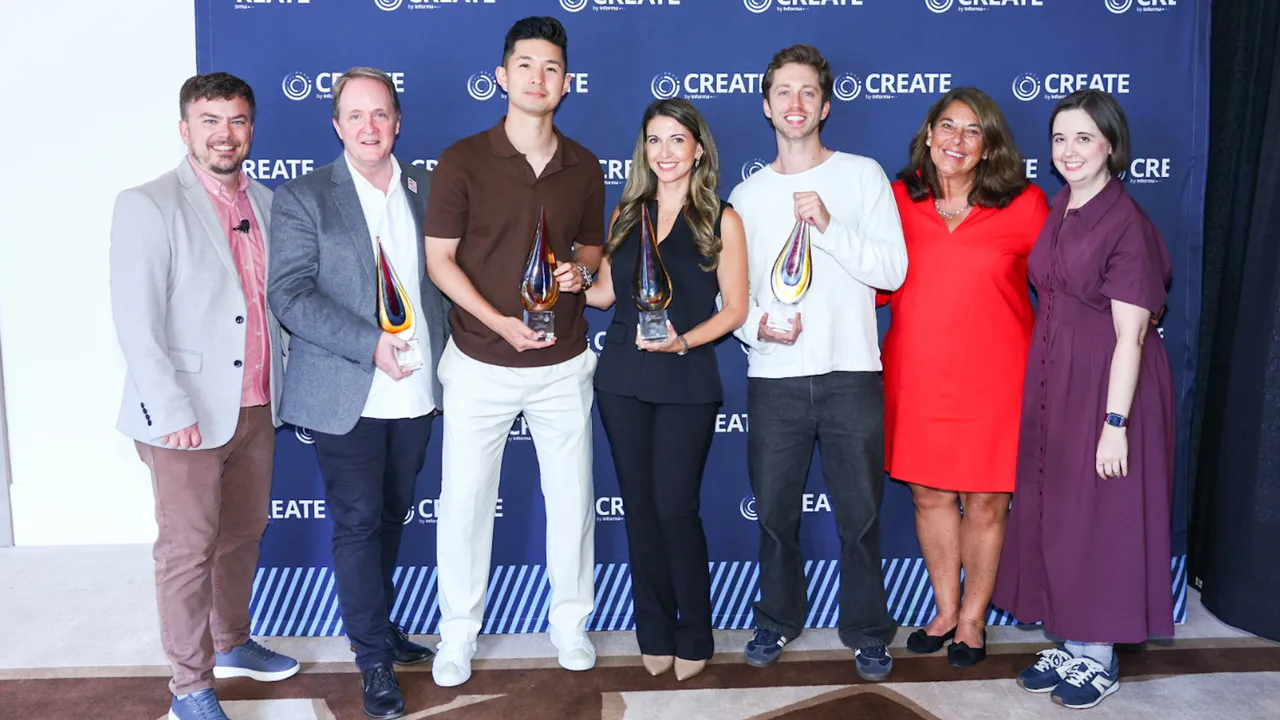
NRN’s Hot Concepts winners pose with their trophies, NRN editors Sam Oches and Leigh Anne Zinsmeister, and The Coca-Cola Company VP of Industry Leadership Barbara Poremba.Jon Mouer
On Monday during the first day of CREATE, the event for emerging restaurateurs, leaders of four fast-growing brands gathered at Terranea Resort to receive their awards for the 2026 Hot Concepts. The honorees included Sushi by Bou, Matcha Magic, Ggiata, and Mike’s Red Tacos, with segments ranging from full-service dining to fast casual to quick service.
Unique spaces lead to more opportunities
It pays to make your customers’ dining experience feel like an adventure. Sushi by Bou is a small-format omakase restaurant concept offering 30-minute timed meals for an approachable price, in secret, speakeasy locations. Omakase means “trust the chef,” or “I’ll leave it up to you,” depending on which side of the sushi counter you’re on.
CEO Erika London s that while omakase is usually a special-occasion treat, by using small spaces and timing meals, Sushi by Bou is able to keep prices relatively low for its segment — starting at $70 — and therefore make omakase more approachable for those without extensive knowledge of it.
“Because it’s a sushi concept, we don’t require hoods, we don’t require venting, which makes it a lot easier to identify these nooks and crannies,” London said.
She and the team actively seek out spaces that may be harder to get to — twists and turns, going through a bookshelf or underground — all of which lend to an air of exclusivity and add excitement. These locations make the experience more memorable and bring back repeat customers.
While other restaurants find these spaces undesirable, they add to an intimate experience. For instance, one of the brand’s highest-earning locations makes $2 million per year in a 300-square-foot space that was formerly luggage storage at a hotel
Keep with the community
After moving to Los Angeles, Ggiata Delicatessen founders Jack Biebel, Noah Holton-Raphael, and Max Bahramipour missed not only the food but also the atmosphere of their favorite New Jersey delis. Growing up in Montclair, N.J., Cofounder Biebel said that delis were community gathering places, sponsoring local youth sports teams and knowing customers by name, really intertwined with the town.
Arriving in LA, they realized that neighborhood delis were either franchise-led or serving delicious artisan, but incredibly expensive, sandwiches. The friends decided they had to be the ones to fill that gap and bring a piece of the Garden State to sunny California.
The main strategy Ggiata is implementing is finding staff who can create an environment where folks that live in that community show up.
“We’re walking the block, meeting every local neighbor on the street, offering them catering, inviting them to an opening party, finding a local high school and sponsoring the sports team,” Biebel said. ‘We’re thinking about how to become part of the fabric of the communities that we’re operating in.”
To the founders of Ggiata, it’s simple: “If a neighborhood deli wouldn’t do it, we’re probably not doing it,” Biebel said. “‘Chain’ is a bad word at Ggiata; we just want to feel like everyone’s neighborhood deli.”
Plan your next location around clientele
With the matcha boom in recent years, it feels like it’s in every local coffee shop, but a true matcha shop can be hard to find. That’s why Norman Wu, Cofounder of Match Magic, decided that his next franchised location outside of Washington would be where people could truly appreciate high-quality, ceremonial-grade matcha. Naturally, with an aesthetic beverage that does numbers on social media, it was a no-brainer to open up at Arizona State University.
All of Matcha Magic’s matcha is organic and lead-tested, with options for homemade syrups and purees. Within only three months of business, the brand was inundated with over 150 franchise requests, and Wu emphasized the importance of not only carefully picking your franchisees, but carefully selecting your next location.
“In the U.S. right now, there’s probably 100,000 coffee shops and maybe less than 1,000 matcha shops,” Wu said. “I think from a rising tide standpoint, it’s good for matcha to grow as a category.”
By targeting a college town, Wu opened up his brand to a Gen Z audience that already knew what matcha was, what good matcha tastes like, and that drinks matcha more than any other age demographic. He didn’t have to build the customer base; it was already there.
Make decisions with a 1,000-store mentality
When Mike’s Red Tacos started as a food truck in San Diego, founder Mike Touma had no idea that each subsequent week, his birria tacos would sell out earlier and earlier. Word spread fast, and with a new, cult-like following, Touma knew it was time to ditch the truck and open a brick-and-mortar storefront. This was only six months into the existence of Mike’s Red Tacos, and set the stage for a taco takeover in Southern California.
Vincent Montanelli, president and chief operations officer, offered a few words of advice to restaurateurs: regardless of whether you’re a small brand, if you’re looking to grow, make decisions with a 1,000-store mentality. That means looking ahead and pairing with people who can scale with you.
With three locations in San Diego and a fourth on the way in Pasadena, the newest store will also double as a training center for general managers and new hires. This location will transform employees into leaders who learn how to make schedules, take orders, learn the culture, serve customers — something that Dave’s Hot Chicken put into place to help it get to that 1,000-unit number. (Dave’s Hot Chicken’s previous CEO Bill Phelps is an investor in Mike’s Red Tacos.)
The Hot Concepts, presented by The Coca-Cola company, were awarded CREATE, the event for emerging restaurateurs, on Monday, July 20.