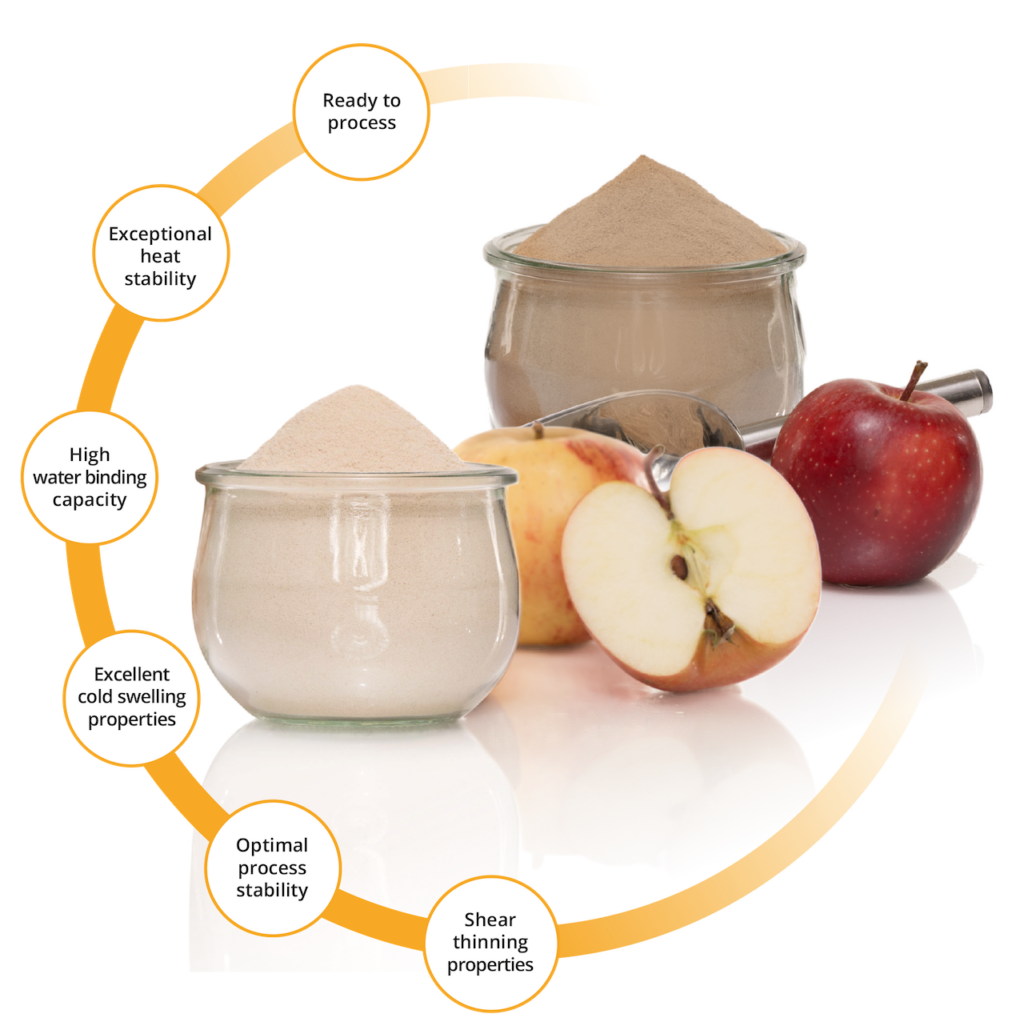
Demand for plant-based milk alternatives is growing steadily. There is an increasing demand for sensory quality, stability, and clean-label concepts. Consumers have indicated that they have expectations for products that offer a creamy mouthfeel, a uniform texture, and ingredient lists of a limited length. This poses a significant technological challenge for manufacturers, as plant-based raw materials frequently lack the functional properties of traditional dairy components.
Plant-based beverages derived from oats, almonds, soy, or peas tend to settle, separating into layers and leaving a watery sensation in the mouth. Moreover, the products must demonstrate the capacity to withstand thermal stress during UHT treatment or in coffee applications. Conventional stabilizing systems are typically composed of combinations of hydrocolloids, modified starches, or other additives. While these solutions offer technological stability, they are increasingly at odds with current clean-label requirements.
In this context, the importance of functional dietary fiber is increasing. Concurrently, the food industry is observing the emergence of the “Fiber is the New Protein” trend. While protein-enriched products have been the focus of numerous product developments in recent years, dietary fiber is now taking center stage. The reasons for this are multifaceted, including nutritional considerations and technological advantages. The role of dietary fiber in modern formulations is evolving. It is now regarded not only as a functional additive that enhances nutritional value, but also as a key structural component.
Advanced fiber systems have been demonstrated to perform to a greater extent than that required of traditional nutritional functions. These substances function as multifunctional ingredients, contributing to stabilization, water-binding, and enhancement of texture. Functional fibers hold particular promise in plant-based applications. These fibers can serve to mitigate sensory limitations while concurrently promoting clean-label concepts.
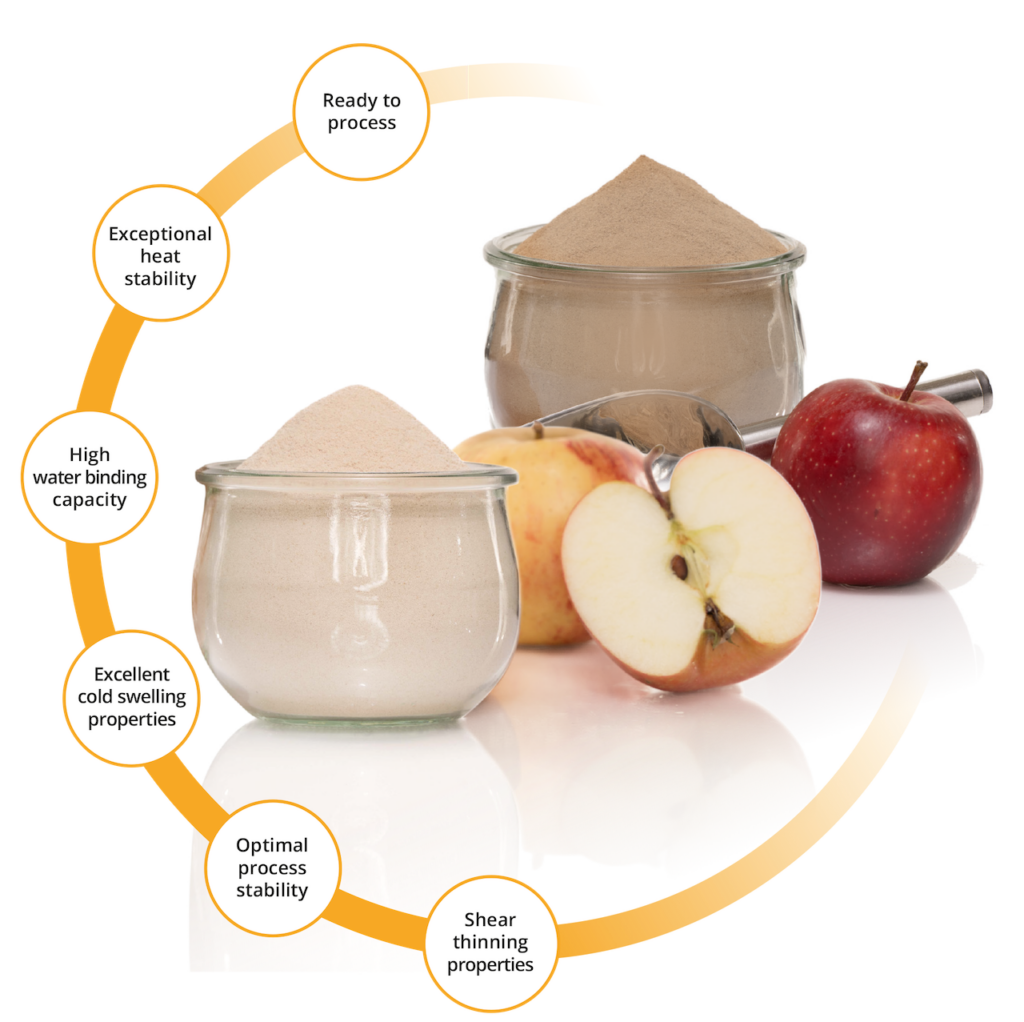
In particular, the functional apple fibers from Herbafood Ingredients open new possibilities for plant-based milk alternatives. The apple fibers are produced from apples that are juiced immediately after harvest and gently dried. This results in a plant-based ingredient with a high water-binding capacity and significant texture-forming properties. A primary attribute of these apple fibers is their high water-binding capacity, ranging up to 20 grams of water per gram of fiber. This function plays a significant role, particularly in plant-based beverages, as water-binding capacity considerably influences stability, viscosity, and mouthfeel. The binding of free water results in a more homogeneous system with improved sensory characteristics.
The functionality of the fibers is derived from their unique plant cell structure. During the process of hydration, the fiber develops a three-dimensional network that effectively binds water and contributes to the stabilization of the structure. Concurrently, the fiber reacts to mechanical shear forces during the processes of homogenization and processing. Consequently, an increase in this parameter may lead to enhanced functional properties.
The technological significance of functional apple fibers is particularly evident in oat drinks. Oats contain natural starch and soluble fiber, which can affect the digestive system and contribute to imbalances. Apple fibers improve the suspension of plant particles and reduce sedimentation during storage. They also help create a creamier mouthfeel and enhance perceived fullness on the palate.
Apple fiber can also improve the texture of almond or nut-based beverages. These products often have low intrinsic viscosity and a thin mouthfeel. Using functional apple fibers allows for the targeted improvement of texture without producing an excessively thick or pasty product.
Protein-based systems, such as pea milk, are particularly challenging. Plant-based proteins often settle, creating an undesirable mouthfeel and unstable structures. Herbafood Ingredients’ functional apple fibers help stabilize such systems thanks to their water-binding properties, improving mouthfeel in the process. They can reduce dry or mealy sensory attributes.
In addition to plant-based beverages, fiber is increasing in importance in fermented products. Plant-based yogurt alternatives made from oats, coconut, or soy require stable water retention to minimize syneresis during storage. Thanks to their structure-forming properties, apple fibers enhance creaminess and product stability. Another advantage is their ability to partially replace traditional stabilization systems. Many plant-based products contain combinations of gellan, xanthan, guar gum, and modified starches. Functional apple fibers can simplify these systems, resulting in more consumer-friendly ingredient lists.
By labeling it as “apple fiber,” we support modern clean-label concepts while meeting the requirements for natural ingredients. Herbafood’s fibers are derived from fruit processing byproducts, representing sustainable raw material concepts and a more efficient use of resources.
As demands for stability, naturalness, and sustainability continue to rise, the role of functional dietary fiber in product development will grow. Functional apple fibers can help develop stable, high-quality plant-based milk alternatives with reduced formulation complexity.