Honey may be one of the world’s oldest sweeteners, but it is far from a single, uniform ingredient. Its flavor, color, aroma, and texture are shaped by the flowers visited by bees, the landscapes where they forage, and even the climate of a particular season. The result is an extraordinary range of honeys, from the delicate sweetness of acacia and clover honey to the bold, earthy character of buckwheat, chestnut, and honeydew varieties.
Some honeys are prized for their floral complexity, others for their rarity, regional heritage, or distinctive culinary uses. Whether drizzled over cheese, stirred into tea, paired with desserts, or enjoyed by the spoonful, different honey varieties can offer remarkably different tasting experiences. Here are 35 types of honey from around the world and what makes each one unique.
Best for: Sweetening tea and yogurt without overpowering their flavors.
Pale, almost water-clear, and delicately sweet, acacia honey is one of the mildest varieties on the market, with a flavor so light it’s sometimes described as tasting more like vanilla than typical honey. Bees collect it from the blossoms of black locust trees (commonly called acacia in Europe), and because it’s low in glucose relative to fructose, it crystallizes very slowly and stays liquid on the shelf for months. That clean sweetness makes it popular for sweetening tea and yogurt without overpowering other flavors.
Best for: Everyday baking, buttered toast, and tea.
Clover honey is the most widely produced honey in North America, and its popularity comes down to a flavor that’s mild, floral, and reliably sweet without strong regional or seasonal quirks. The color ranges from light gold to amber depending on the clover variety and region, and the taste carries a faint grassy note beneath the sweetness. It’s the honey most people picture when they think of honey in general: versatile enough for baking, drizzling over toast, or stirring into tea. Clover fields also play a quiet but important role in commercial beekeeping, since farmers often rotate the crop specifically to support pollinator health.
Best for: All-purpose cooking where a more pronounced honey flavor is welcome.
Unlike monofloral honeys, wildflower honey is never quite the same jar twice. Bees forage from whatever happens to be blooming nearby, so the flavor, color, and aroma shift depending on season, location, and the specific mix of flowers in range that year. This unpredictability is part of its appeal for honey enthusiasts, who treat each batch almost like a vintage. It’s a good all-purpose honey for cooking, where its complexity adds more depth than a neutral clover or acacia would.
Best for: Yogurt, fresh ricotta, and citrus desserts.
The scent gives it away immediately: orange blossom honey carries a bright, citrusy aroma with floral undertones that make it instantly recognizable, a direct result of bees foraging on orange and other citrus tree blossoms in groves across Florida, California, and the Mediterranean. The flavor matches the aroma, light and fruity with a delicate tang that pairs beautifully with yogurt, ricotta, or drizzled over citrus desserts. It tends to crystallize into a fine, smooth texture relatively quickly compared to other light honeys. Because the citrus bloom is brief, true orange blossom honey is something of a seasonal specialty rather than a year-round staple.
Best for: Goat cheese, roasted stone fruits, and desserts that welcome a floral note.
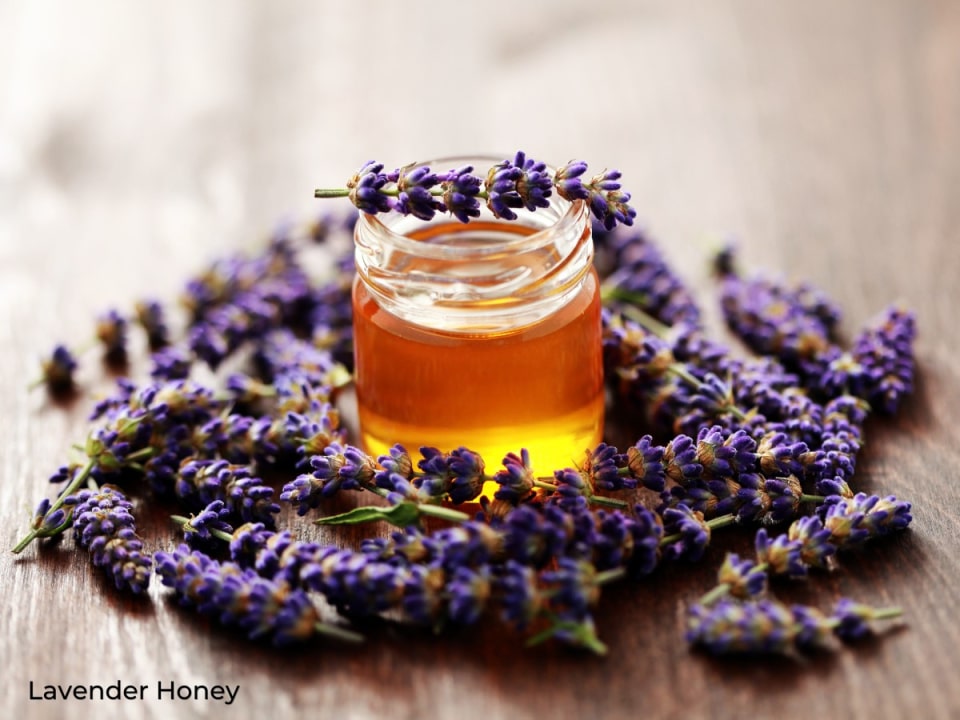
Lavender honey carries the herb’s distinctive floral perfume straight into its flavor, producing something that tastes almost like the plant smells: aromatic, slightly herbal, and gently sweet with a lingering floral finish. Produced primarily in Provence, France, where lavender fields stretch across the landscape in late summer, it tends to be light amber and crystallizes into a smooth, fine-grained texture. It pairs particularly well with goat cheese, roasted stone fruits, and desserts that can stand up to its assertive aromatic profile without being overwhelmed. Its limited production window, tied to lavender’s relatively short bloom, keeps supply lower than more common honey types.
Best for: Strong teas and boldly flavored marinades.
Eucalyptus honey carries the unmistakable, slightly medicinal aroma of the tree it’s named for, with a flavor that’s robust and herbal, often described as having a faint menthol or camphor-like quality beneath its sweetness. Common in Australia, Spain, Portugal, and parts of South America wherever eucalyptus groves grow extensively, it’s typically a deep amber to brown color. Its assertive, almost savory edge makes it a favorite for sweetening strong teas and using in marinades, where its boldness holds up against other flavors. Traditionally, it’s also been used as a folk remedy for coughs and respiratory complaints, a use that lines up sensibly with the tree’s well-known association with chest rubs and lozenges.
Best for: Scottish baking where its bold, slightly bitter character can shine.
Heather honey is unusual among honeys for its thixotropic quality: it forms a thick, jelly-like gel that won’t pour normally from the jar unless stirred vigorously first, after which it temporarily turns liquid again. Produced from the moorland heather plant in Scotland, Ireland, and parts of northern Europe, it’s reddish-brown in color with a strong, slightly bitter, almost smoky flavor that’s considerably more assertive than most honeys. This intensity makes it a favorite in Scottish baking and whisky production, where its character holds its own against strong, peaty flavors. Its gel-like texture and bold taste have made it a long-prized, somewhat acquired-taste specialty among honey connoisseurs.
Best for: Meat glazes, dark breads, and strong coffee.
Buckwheat honey is about as far from delicate as honey gets: dark, almost molasses-black in color, with a robust, malty flavor that carries genuine savory and earthy notes rather than simple sweetness. It comes from the buckwheat plant, grown widely across the northeastern United States, Canada, and parts of Eastern Europe, and its boldness makes it a favorite for hearty applications like glazing meats, baking dark breads, and sweetening strong coffee. Nutritionally, darker honeys like buckwheat tend to carry more antioxidants than lighter varieties, a pattern that holds fairly consistently across honey types. Its intensity isn’t for everyone, but for those who like it, no other honey quite substitutes.
Best for: Salad dressings, cheese pairings, and baking that calls for a gentle sweetness.
Sage honey is light in color, ranging from pale gold to a soft amber, with a flavor that’s notably mild and buttery rather than sharp or herbal, a pleasant surprise given the assertiveness of the plant it comes from. Produced primarily in California, where vast stands of wild sage bloom across the hillsides, it’s slow to crystallize and tends to stay smooth and pourable for extended periods. Its gentle character makes it a versatile all-purpose honey, equally at home drizzled over cheese, stirred into salad dressings, or used in baking where a subtle sweetness is preferred over a bold one. Beekeepers often prize it for its consistency and reliable production from California’s reliable sage bloom.
Best for: Plain yogurt or buttered toast, where its rich, earthy flavor can stand out.
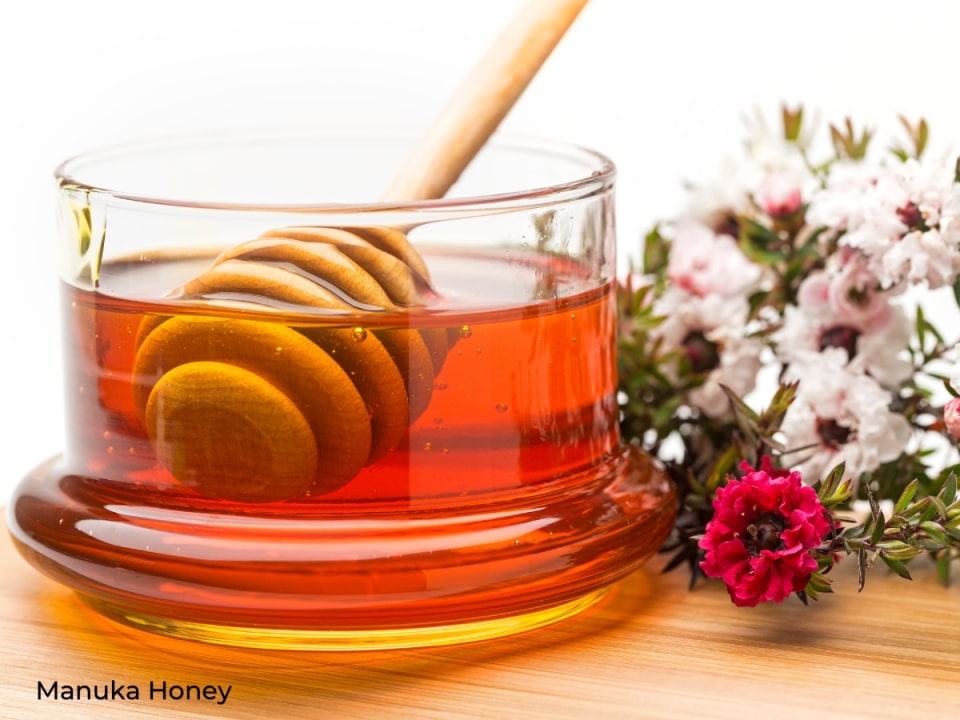
Manuka honey, produced by bees foraging on the manuka bush native to New Zealand and parts of Australia, has built a global reputation that extends well beyond the kitchen. Dark and richly flavored, with an earthy, slightly bitter edge, it’s distinguished from other honeys by unusually high levels of methylglyoxal, a compound responsible for its antibacterial properties and the reason it’s graded and sold using a potency rating called UMF (Unique Manuka Factor).
Authentic manuka honey commands a significant premium, and mislabeling has been a persistent issue in the global market.
Best for: Chamomile tea, other mild herbal infusions, and citrus pairings.
Linden honey, also called basswood honey in North America, has a distinctive minty, almost medicinal freshness that sets it apart immediately from typical floral honeys, paired with a light, water-white to pale yellow color. It’s produced from the flowers of linden (lime) trees found across Europe, particularly in France and Eastern Europe, as well as basswood trees in North America. Traditionally associated with calming herbal teas, linden flowers themselves have a long history in folk remedies for relaxation, and the honey carries some of that same cooling, faintly camphoraceous quality. It pairs well with citrus and works nicely stirred into chamomile or other mild herbal infusions.
Best for: Warm biscuits, pancakes, and plain yogurt that let its delicate, buttery sweetness shine.
Tupelo honey holds something of a cult status in the American South, produced almost exclusively in the swamps of the Florida and Georgia panhandle from the blossoms of the white tupelo tree during a brief, narrow bloom window each spring. Light golden with a greenish tinge, it has a delicate, buttery sweetness with a hint of mild spice that connoisseurs consider one of the finest flavors in the honey world. Because it’s high in fructose relative to glucose, it resists crystallizing and stays smooth and liquid far longer than most honeys. The brief harvesting season and weather-dependent yield make genuine tupelo honey relatively expensive and tightly tied to its small geographic region.
Best for: Spreading on bread, sweetening drinks, and making creamed honey.
Sunflower honey has a bright golden-yellow color that mirrors the flower it comes from, with a mild, slightly grassy flavor and a notably fast crystallization rate that turns it into a fine, smooth, almost buttery solid not long after extraction. Major sunflower-growing regions across Eastern Europe, particularly Ukraine, Russia, and Hungary, produce most of the world’s supply. Because it sets so reliably and finely, it’s often used in creamed honey production, where the texture is deliberately controlled to stay spreadable rather than liquid. Its mild flavor makes it a practical, everyday honey for sweetening drinks or spreading on bread.
Best for: Aged pecorino, Gorgonzola, and other strong cheeses.
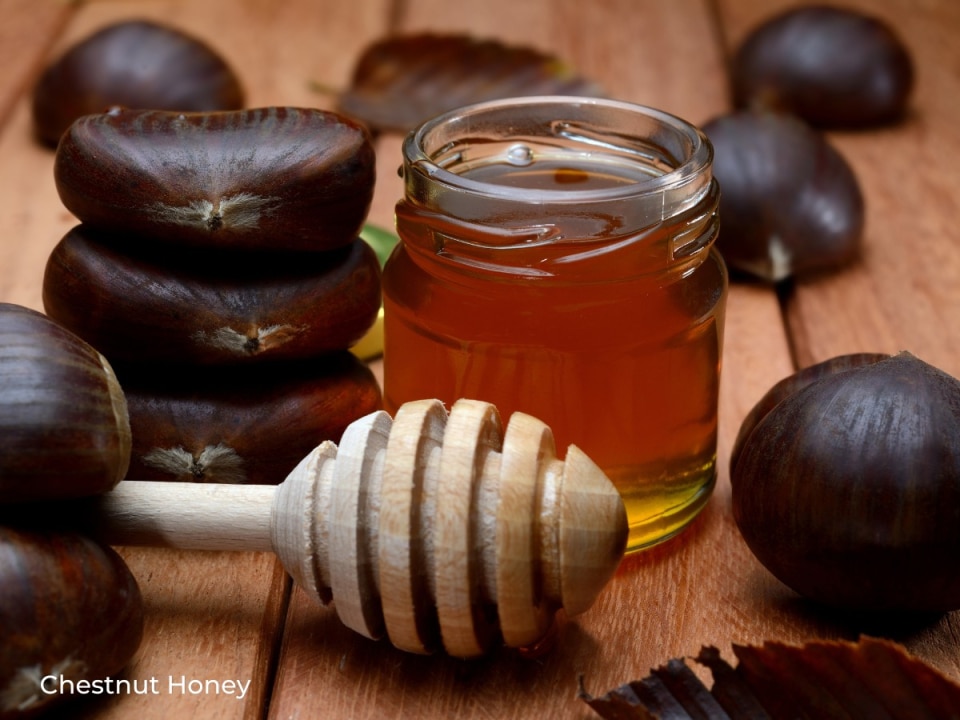
Dark and assertive, chestnut honey has a bitter, tannic edge that sets it apart from sweeter varieties. Try it with aged pecorino or Gorgonzola, where its strong character complements the cheese.
Best for: Tea and light glazes that need sweetness without a dominant honey flavor.
Alfalfa honey is produced from the small purple flowers of the alfalfa plant, widely grown across the western United States and Canada primarily as livestock feed, with honey production as something of a secondary benefit. The result is a light, pleasantly mild honey with a faint spicy note, light amber to white in color depending on the region. Its gentle character makes it well suited for everyday use without overwhelming other flavors, whether stirred into tea or used in light glazes. Like clover, alfalfa fields support significant pollinator populations, making this honey something of a byproduct of broader agricultural land use rather than a honey grown specifically for its own sake.
Best for: Mild cheeses and fresh fruit.
Rosemary honey is pale and delicate, with a light herbal aroma that hints at the plant without being overpowering, and a flavor that’s gently sweet with a subtle savory undertone. It’s a specialty largely associated with the Mediterranean coast, particularly Spain and parts of southern France, where wild rosemary grows abundantly along coastal hillsides. The honey crystallizes slowly and tends to stay smooth for extended periods. Its understated character makes it a popular choice for pairing with mild cheeses and fresh fruit, where its faint herbal note adds interest without competing with other flavors on the plate.
Best for: Greek yogurt, feta, and traditional pastries such as baklava.
Thyme honey, most closely associated with Greece, particularly the island of Crete, carries a rich, reddish-amber color and an intense, aromatic flavor with a notably long finish that lingers pleasantly after each spoonful. Wild thyme growing across rocky Mediterranean hillsides gives the honey its concentrated character, considered by many Greek beekeepers to be among the finest honeys the country produces.
Its boldness makes it a favorite drizzled over Greek yogurt, feta, and traditional pastries like baklava, where its herbal intensity holds its own against rich, sweet, or salty companions. Thyme honey has held cultural significance in Greece since antiquity, prized even in ancient times for both flavor and its perceived health benefits.
Best for: Rich cheeses and tasting alongside milder honeys to explore its distinctive bitterness.
Strawberry tree honey, made from the autumn-blooming flowers of the strawberry tree found across the Mediterranean, is one of the most distinctive and challenging honeys to produce, largely because its flowering season overlaps with cold, unpredictable weather that makes for inconsistent yields.
The flavor is famously complex: bitter, slightly smoky, with an almost medicinal sharpness that makes it one of the most polarizing honeys among connoisseurs. Sardinia, in particular, is known for producing some of the most prized examples. Its rarity and intensity have made it something of a delicacy among honey enthusiasts who specifically seek out unusual, challenging flavor profiles rather than straightforward sweetness.
Best for: Baking, roasted-meat glazes, barbecue sauces, and strong coffee.
Avocado honey, produced primarily in California from avocado tree blossoms, has a dark amber to almost molasses-brown color and a rich, buttery flavor with a faint caramel quality that’s noticeably deeper and more robust than typical lighter honeys. Despite the name, it doesn’t taste like avocado at all; the name simply reflects its floral source.
Its robust character makes it well suited for baking, glazing roasted meats, and sweetening strong coffee or barbecue sauces, where a delicate honey would be lost. Like other dark honeys, it tends to carry a higher concentration of antioxidants compared to paler varieties, a pattern fairly consistent across the honey spectrum.
Best for: Marinades, glazes, and spiced Middle Eastern-inspired desserts.
Coriander honey carries a distinctly spiced, slightly pungent aroma that reflects the herb’s seed rather than its leaf, with a flavor that’s warm and gently spicy beneath its sweetness, light amber in color. It’s produced in regions where coriander (cilantro) is grown as a seed crop, including parts of Eastern Europe and the Middle East. Its unusual spiced quality makes it an interesting addition to marinades, glazes, and Middle Eastern-inspired desserts, where its warmth complements rather than competes with other spices. It remains a relatively niche honey outside the regions where it’s produced, appreciated mainly by those seeking flavors beyond conventional floral sweetness.
Best for: Fresh ricotta, plain yogurt, and simple vanilla desserts that leave room for its delicate floral notes.
Coffee blossom honey is harvested from the white flowers of the coffee plant during its brief annual bloom, a narrow window that limits how much can be produced each year. Produced in coffee-growing regions across Central America, parts of Africa, and Southeast Asia, it has a surprisingly delicate floral sweetness with subtle jasmine-like notes, nothing like the bitterness of coffee itself.
Its rarity and limited geography keep it relatively obscure outside specialty markets, but it’s gained a following among those drawn to honeys with a genuine story and a tight, traceable origin. Some beekeepers consider it an emerging category worth watching as specialty honey markets continue to grow.
Best for: Spreading on bread or toast when you want a bold, tangy honey.
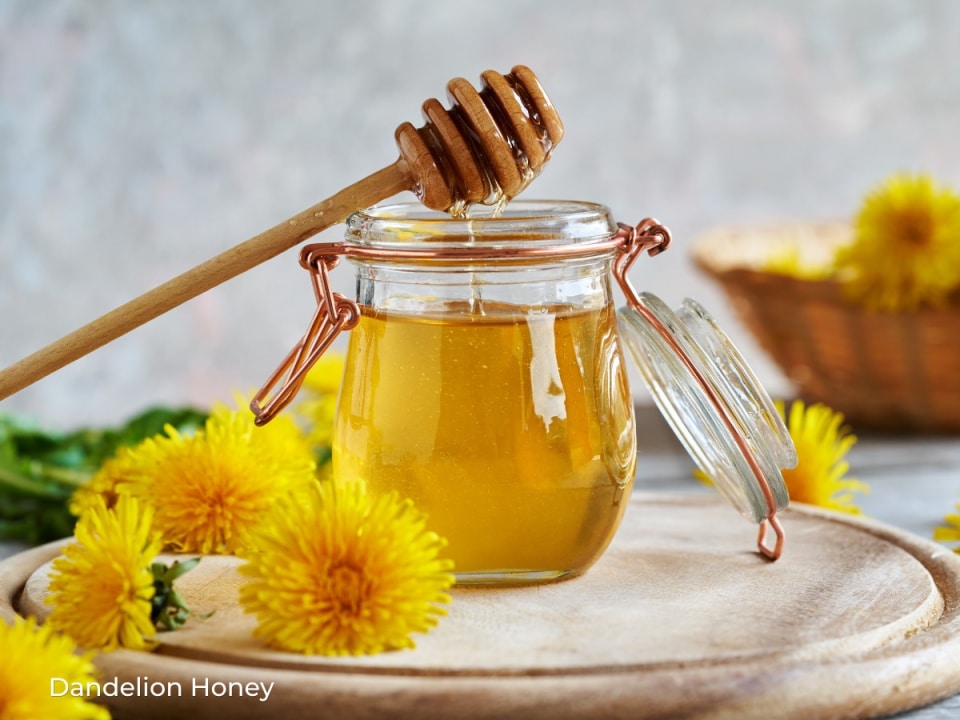
Dandelion honey carries a flavor that surprises people who associate the plant only as a garden weed: strong, slightly bitter, and distinctly tangy, with a deep golden-yellow color and a notably pungent aroma when fresh that mellows somewhat with age. It crystallizes quickly into a thick, grainy texture, which makes it more often used as a spread than a pourable syrup.
Produced in temperate regions across Europe and North America wherever dandelions bloom abundantly in spring, it’s a relatively easy honey for backyard beekeepers to produce given how common the plant is. Its assertive flavor makes it a more polarizing honey than milder varieties, appreciated by those who prefer bold, less conventionally sweet options.
Best for: Buttered toast or vanilla ice cream, where its spicy, aromatic character takes center stage.
Leatherwood honey comes almost exclusively from the remote temperate rainforests of Tasmania, where the leatherwood tree blooms in a region too isolated for significant agricultural development, making the honey a genuinely wild, unmanipulated product. Its flavor is bold and distinctive: spicy, slightly tangy, with a complex aromatic profile that Tasmanian beekeepers and honey enthusiasts consider one of the most interesting in the world. The color tends toward a light amber with a slight pink or beige tinge. Because the leatherwood tree only grows in this specific old-growth forest ecosystem, the honey’s supply is inherently limited and tied closely to the health of Tasmania’s wilderness.
Best for: Drizzling over desserts that suit its vanilla- and marshmallow-like sweetness.
Meadowfoam honey, produced primarily in Oregon from the meadowfoam plant grown largely for its seed oil, has an unusual and immediately recognizable flavor often compared to marshmallow or vanilla, sweet and creamy rather than floral or herbal. Its pale, creamy color matches its dessert-like taste, and it crystallizes into a smooth, spreadable texture similar to creamed honey. Because meadowfoam is grown as a rotational crop alongside grass seed farming, the honey is something of a secondary product of an agricultural system focused on a different primary purpose. Its distinctive sweetness has made it a favorite for drizzling directly over desserts where its vanilla-like quality can shine.
Best for: Warm biscuits, tea, or enjoying by the spoonful.
Sourwood honey, prized throughout the Appalachian Mountains of the southeastern United States, has a delicate, slightly spicy flavor with a lingering anise or licorice-like finish that distinguishes it clearly from more straightforward sweet honeys. Light amber in color, it comes from the sourwood tree’s narrow summer bloom, a brief window that limits annual yields and has made the honey something of a regional treasure, frequently entered in honey competitions and prized by collectors.
Its delicate, complex character makes it best appreciated on its own, drizzled over biscuits or stirred into tea, rather than overwhelmed in heavily spiced cooking. Sourwood honey festivals are held annually in parts of North Carolina and Tennessee, reflecting its cultural significance to the region.
Best for: Toast and crumpets, particularly when prepared as a smooth, creamed honey spread.
Rapeseed honey, produced from the bright yellow fields of canola/rapeseed that bloom across Europe and parts of Canada each spring, is one of the fastest-crystallizing honeys available, often solidifying within days or weeks of extraction into a fine, almost buttery-white solid. Its flavor is mild and slightly cabbage-like when fresh, mellowing into a more neutral sweetness once crystallized. Because of how quickly it sets, beekeepers often extract it rapidly or process it deliberately into creamed honey to control the texture before it solidifies unevenly in the comb.
It’s a major commercial honey across the UK and continental Europe, valued more for its reliable volume than for any standout flavor characteristic.
Best for: Cheese boards, toasted nuts, and savory glazes that suit its woody, less-sweet-tasting character.
Pine honey isn’t made from flower nectar at all; it comes from honeydew, a sugary substance produced by insects feeding on pine sap, which bees collect and process much like ordinary nectar. This unusual origin gives it a dark, deep amber to brown color and a flavor that’s notably less sweet than floral honey, with resinous, almost woody undertones.
According to the Food and Agriculture Organization of the United Nations, Türkiye produces most of the world’s pine honey, particularly along its Marmara, Aegean, and Mediterranean coasts, while Greece is also famous for its locally produced pine honey. Pine honey resists crystallization for unusually long periods, often staying liquid for a year or more, and is generally lower in fructose and glucose than typical floral honeys, giving it a different nutritional profile within the broader honey category.
Best for: Strong cheeses and dark breads.
Fir honey, like pine honey, is a honeydew variety rather than a nectar-based honey, produced when bees collect the sugary secretions left behind by aphids and other sap-feeding insects on fir trees. It tends to be very dark, almost black in some cases, with a robust, malty flavor that’s distinctly less sweet and more savory than typical floral honeys. Central and Eastern Europe, particularly the Black Forest region of Germany and parts of the Balkans, produce much of the world’s fir honey. Its mineral content tends to run higher than lighter floral honeys, and its bold, almost smoky character makes it popular paired with strong cheeses and dark bread rather than used as a simple sweetener.
Best for: Aged cheeses and dense rye bread that can stand up to its intense, slightly bitter flavor.
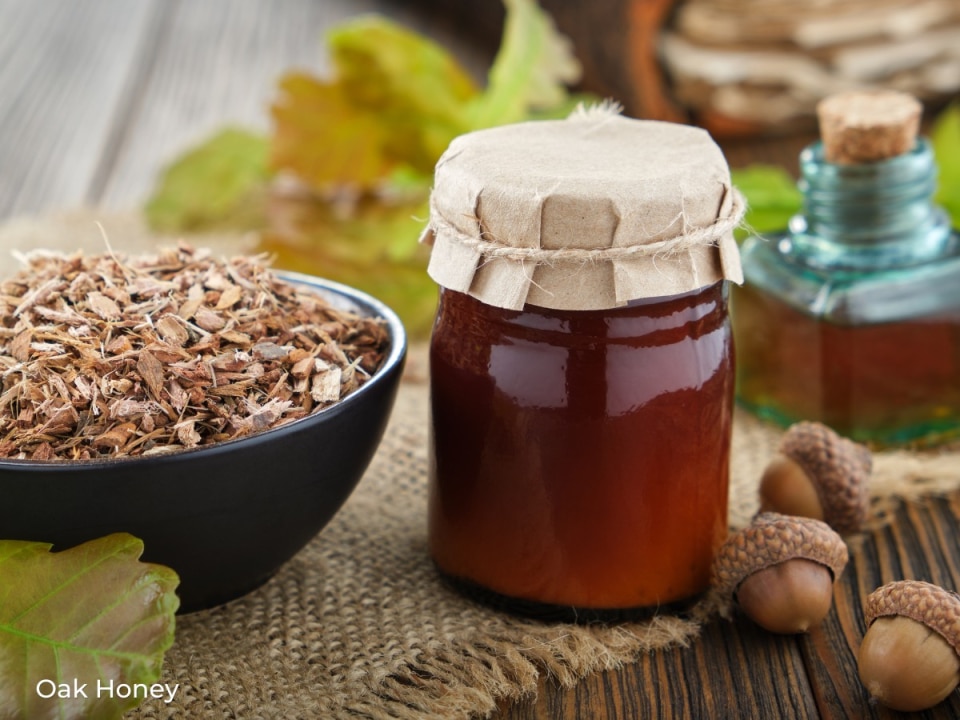
Oak honey is a rare honeydew variety, produced when bees collect secretions from insects feeding on oak tree sap, a process dependent on very specific weather conditions that make consistent production difficult from year to year. The result is an exceptionally dark, almost black honey with an intensely strong, slightly bitter, mineral-rich flavor that’s among the most assertive in the entire honey category.
It’s most commonly found in parts of Spain and the Balkans where oak forests are extensive enough to support viable honeydew collection. Because of its rarity and unpredictable yield, oak honey tends to be a specialty item sought out specifically by honey collectors rather than a honey most people encounter casually.
Best for: Rustic bread, cheese boards, and savory glazes where a robust honey flavor is welcome.
Forest honey is a broader honeydew category, often a blend of secretions from multiple tree species including fir, spruce, and oak rather than a single clearly defined source, which gives it a complex, variable character depending on the specific forest and season. Dark amber to brown, with a robust, slightly resinous flavor that sits between the boldness of pure pine or oak honey and the milder character of floral varieties, it’s a significant commercial category across Central and Eastern Europe. Its complexity and mineral richness make it a popular choice for those who prefer honeydew honeys generally but want something a bit more approachable than the most intensely flavored single-source varieties like oak or fir.
Best for: Plain yogurt, buttered toast, or tasting by the spoonful to explore its bold flavor.
Tualang honey is harvested from wild bee colonies that build enormous combs high in the canopy of tualang trees in the rainforests of Malaysia, a harvesting process that’s genuinely dangerous, carried out at night by climbers scaling trees that can reach over 250 feet. Unlike most commercial honey, it comes entirely from wild, unmanaged colonies rather than cultivated hives, giving it a multifloral character shaped by whatever the bees forage across the surrounding rainforest. The flavor is bold and slightly bitter, with notable antibacterial properties that have made it popular in traditional Malaysian medicine. Its dangerous, labor-intensive harvest method keeps supply naturally limited and prices relatively high.
Best for: Fresh fruit, plain yogurt, and mild herbal teas that complement its buttery, faintly minty character.
Ulmo honey comes from the ulmo tree, native to the temperate rainforests of southern Chile, where it blooms with large white flowers during the Chilean summer. The honey is creamy white to pale gold, with a buttery, slightly minty flavor that’s distinct from anything produced in the Northern Hemisphere.
Best for: Warm flatbread, fresh cheese, and nut-based desserts that complement its caramel and dried-fruit notes.
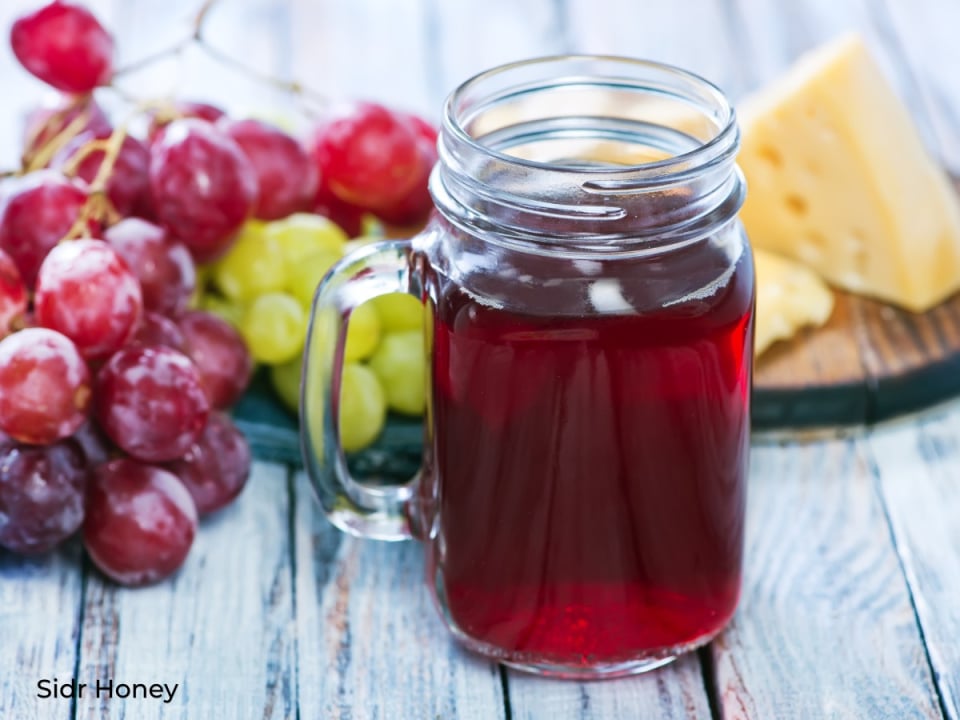
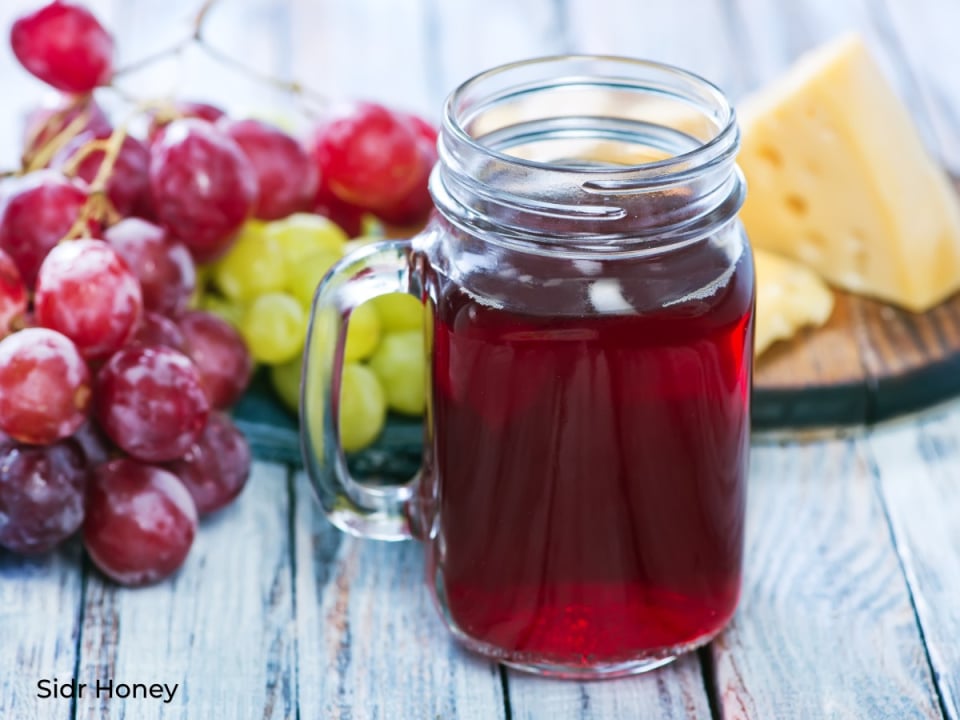
Sidr honey, produced from the blossoms of the sidr tree found in Yemen and parts of the broader Arabian Peninsula, is among the most expensive honeys in the world, a status driven by extremely limited production, a difficult and dangerous harvest in remote mountainous regions, and centuries of cultural and medicinal reverence. Dark amber to reddish-brown, it has a rich, complex flavor often described as having notes of caramel and dried fruit. It holds deep significance in Yemeni and broader Middle Eastern culture, where it’s traditionally valued not just as food but as a wellness product used for everything from digestive health to wound care. Genuine Yemeni sidr honey, particularly from the Hadhramaut region, commands prices that rival some luxury goods.
Best for: Porridge, whole-grain toast, and roasted-meat glazes that suit its rich, earthy sweetness.
Jarrah honey comes from the jarrah tree, a eucalyptus species native specifically to the forests of southwestern Australia, and it stands out among honeys for a quality that’s unusual in the category: high antioxidant activity that rivals or exceeds manuka in some studies. The flavor is rich and slightly earthy, with a deep amber color and a smooth, lingering finish that Australian honey enthusiasts consider distinct from other eucalyptus varieties. It resists crystallization for a long time, staying spreadable and liquid for extended periods after harvest. Like manuka, it has built a reputation as a wellness-oriented honey, sold partly on its functional properties rather than purely on flavor.
Best for: Fresh fruit, yogurt, and lightly buttered toast that let its delicate sweetness shine.
Kiawe honey comes from the kiawe tree, a mesquite species introduced to Hawaii in the 19th century that has since become one of the islands’ most significant honey sources, particularly on the dry leeward sides of the islands where little else blooms reliably. The honey is light, almost white, with an exceptionally mild, delicate sweetness that Hawaiian beekeepers consider one of the purest and most approachable flavors in the honey world. Its pale color and gentle taste make it popular both for everyday use and as a premium gift item tied to Hawaii’s specific agricultural history. Because kiawe trees thrive in arid conditions unsuitable for most other crops, the honey represents a particularly resourceful use of Hawaii’s more marginal agricultural land.
Related: 5 Honey Substitutes You’ll BEE Loving
Related: Top 10 MostExpensiveHoneys
Related: Honey Glazed Pork Chops
Related: Honey-Sweetened Cottage Cheese Brownies
Related: Melomakarona: Greek Christmas Honey Cookies