White vegetables may not grab attention on the dinner table as quickly as brighter ones, but they make up some of the most widely used ingredients in everyday cooking. This category includes everything from starchy roots and crisp radishes to aromatic bulbs, delicate shoots, and hearty brassicas. Their flavors are just as varied too, ranging from peppery, earthy, nutty, sweet, sharp, and sometimes surprisingly mild.
Many white vegetables owe their pale colors to compounds called anthoxanthins, naturally occurring plant pigments found across a range of vegetables. Whether roasted, mashed, pickled, fried, or simmered into soups, white vegetables prove that color is only one small part of what makes produce useful in the kitchen.
This versatile brassica has become one of the kitchen’s most adaptable vegetables, easily transforming into rice alternatives, or creamy mash. It works equally well roasted, turned into pizza crust, or blended into soups. As a member of the cabbage family, it is rich in vitamin C and contains glucosinolates, naturally occurring compounds that have made cruciferous vegetables the subject of extensive nutritional research.
A favorite in Mexican and Southwestern cooking, white onions are sharper, crisper, and slightly higher in water content than yellow onions. Their clean finish makes them taste great served stuffed, though they are especially useful raw in salads, pasta, and tacos. They contain sulfur compounds responsible for both their pungent flavor and for potential benefits for heart health and blood sugar regulation.

These cream-colored root vegetables belong to the same family as carrots but develop a sweeter flavor with hints of spice after exposure to frost. Roasting brings out their sugars beautifully, while boiling and mashing creates smooth winter side dishes. Their combination of fiber and potassium makes them particularly satisfying during colder months.
A traditional cold-weather staple, turnips bring crisp texture and a mild peppery bite that softens considerably during cooking. Small varieties work well raw, while larger roots shine roasted, mashed or blended into soups. They are naturally low in calories and provide vitamins C and K.
This long winter radish is a cornerstone of East Asian cooking, valued for its high moisture content and mild pepperiness. It is often grated raw, pickled, or simmered into broths and stews. Along with vitamin C, daikon contains naturally occurring enzymes that have contributed to its popularity in traditional cuisines.
Whether using fluffy Russets or waxy white varieties, potatoes remain one of the world’s most versatile staples. Their starch content allows them to become fluffy when mashed, crisp when roasted, or creamy when baked. Keeping the skin on adds extra fiber, while potatoes themselves are among the best vegetable sources of potassium, a mineral that supports normal muscle and nerve function.
Harvested young and tender, bamboo shoots are common additions to stir-fries, soups, curries, and broths. Their firm texture stays pleasantly crunchy even after extended cooking. Naturally low in fat and calories, they contribute fiber while adding substance and texture to many dishes.

Indispensable to savory cooking around the world, garlic forms the aromatic foundation for sauces, soups, meat dishes, and savory breads. Raw cloves bring sharp heat and pungency, while roasting transforms them into something much sweeter and softer. Garlic’s characteristic aroma comes from sulfur-containing compounds that have been studied extensively for their potential immunity-boosting effects.
Also known as celery root, this rough-looking vegetable hides dense flesh with concentrated celery flavor beneath its skin. It can be shredded raw, roasted in chunks, or cooked into hearty soups. In addition to vitamin K, it provides fiber and potassium while bringing plenty of earthy depth to a dish.
A member of the cabbage family, kohlrabi develops a swollen stem with crisp white flesh hidden beneath thick skin. Its flavor resembles a sweet cross between broccoli stems and turnips. Like many brassicas, it provides vitamin C and fiber while remaining refreshingly crisp when eaten raw.
White eggplants have smooth ivory skins and flesh that is often milder than many purple varieties. Their denser texture makes them ideal for grilling, roasting, and baking whole. Like other eggplants, they contribute fiber and absorb flavors exceptionally well, making them useful in vegetable-forward dishes.

Grown in darkness to reduce chlorophyll production, Belgian endive develops tightly packed pale leaves with a crisp bite and pleasant bitterness. This makes it especially useful alongside rich cheeses, creamy dressings, and sweet ingredients. Its rigid leaves also work well as edible scoops for appetizers. Despite its delicate appearance, it provides fiber and folate while remaining very low in calories.
These heirloom carrots tend to have a milder, sweeter flavor than orange varieties and keep their pale color beautifully during cooking. Roasting brings out extra sweetness while maintaining contrast alongside darker vegetables. While they contain less beta-carotene than orange carrots, they still provide fiber and several important minerals.
White beets offer the familiar earthiness of red beets while greatly reducing the staining that comes with their darker relatives. Their pale color makes them easier to pair with lighter dishes and ingredients. Like other beets, they provide folate and naturally occurring nitrates, compounds associated with blood flow and exercise performance.

This European delicacy is grown underground or covered from sunlight to prevent chlorophyll formation, giving it its pale appearance and milder flavor. The process produces thicker, more tender spears that require peeling before cooking. Like green asparagus, it provides folate and fiber and is traditionally simmered gently before being served as an appetizer, with Flemish-style dressing or incorporated into tartlets.
Though often associated with autumn displays, white pumpkins are perfectly edible and work similarly to orange pumpkins in cooking. Their flesh can be roasted, puréed, or baked into desserts and soups. Like other pumpkins, they provide fiber and carotenoids, though usually in lower concentrations than deep orange varieties.
Recognizable by its scalloped edges and compact shape, white pattypan squash has a mild flavor and firm texture. Its small size makes it especially good for stuffing and baking whole. Like other summer squash, it is low in calories and contributes vitamin C and hydration thanks to its high water content.
Popular across Latin American and Asian cooking, chayote has crisp flesh with a mild flavor somewhere between cucumber and squash. It works equally well raw in salads, stir-fried, or simmered. Its low calorie content, fiber, and high water content make it especially versatile.

Also known as yuca, cassava is a major starch crop relied upon worldwide. Its rough outer skin is typically brown, which is why we included it among brown vegetables as well, while the inner flesh is white. Cassava must be peeled and cooked thoroughly before eating, after which it can be boiled, fried, or roasted. There is even a popular food product in parts of Africa called garri, made from processed granulated cassava. As a staple food across much of Africa (and an important crop in South America and Southeast Asia) cassava is valued primarily for its carbohydrate content and ability to provide energy.
Jicama is prized for its snowy-white flesh and juicy crunch. Its mildly sweet flavor makes it especially popular raw with lime juice, chili powder, or fresh salads. High water content gives it a refreshing texture, while its fiber content helps make it surprisingly filling for such a crisp vegetable.
Harvested from the growing center of certain palm species, hearts of palm have a tender bite and mild flavor often compared to artichokes. They are especially common in salads and cold preparations. Along with iron and magnesium, they provide fiber while remaining relatively low in calories.
Note: Botanically, this is not considered a veggie. Hearts of palm are technically harvested from the growing core of a palm tree rather than a traditional vegetable plant, but in culinary terms they’re universally treated as a vegetable.

When sliced, lotus root reveals a distinctive wheel-like pattern of air pockets that makes it visually memorable. It stays crunchy even after cooking, making it useful for stir-fries, soups, and frying. In addition to fiber, it provides vitamin C, which is relatively uncommon among root vegetables.
Also called sunchokes, these knobby tubers have white flesh with a nutty flavor that becomes sweeter during cooking. Roasting and puréeing are especially popular preparations. Unlike potatoes, their carbohydrates are stored primarily as inulin, a prebiotic fiber that helps nourish beneficial gut bacteria.
Typically made from sprouted mung beans, bean sprouts bring crisp texture and freshness to stir-fries, noodle dishes, soups, or spring rolls. Their high water content gives them their signature crunch. The sprouting process also increases the availability of certain nutrients, making them a surprisingly nutrient-dense addition to meals.
Despite their name, these are aquatic corms rather than nuts. Their crisp flesh keeps its texture even after heating, making them popular in stir-fries and dumplings. Their combination of water, fiber, and mild sweetness makes them particularly refreshing alongside richer ingredients.

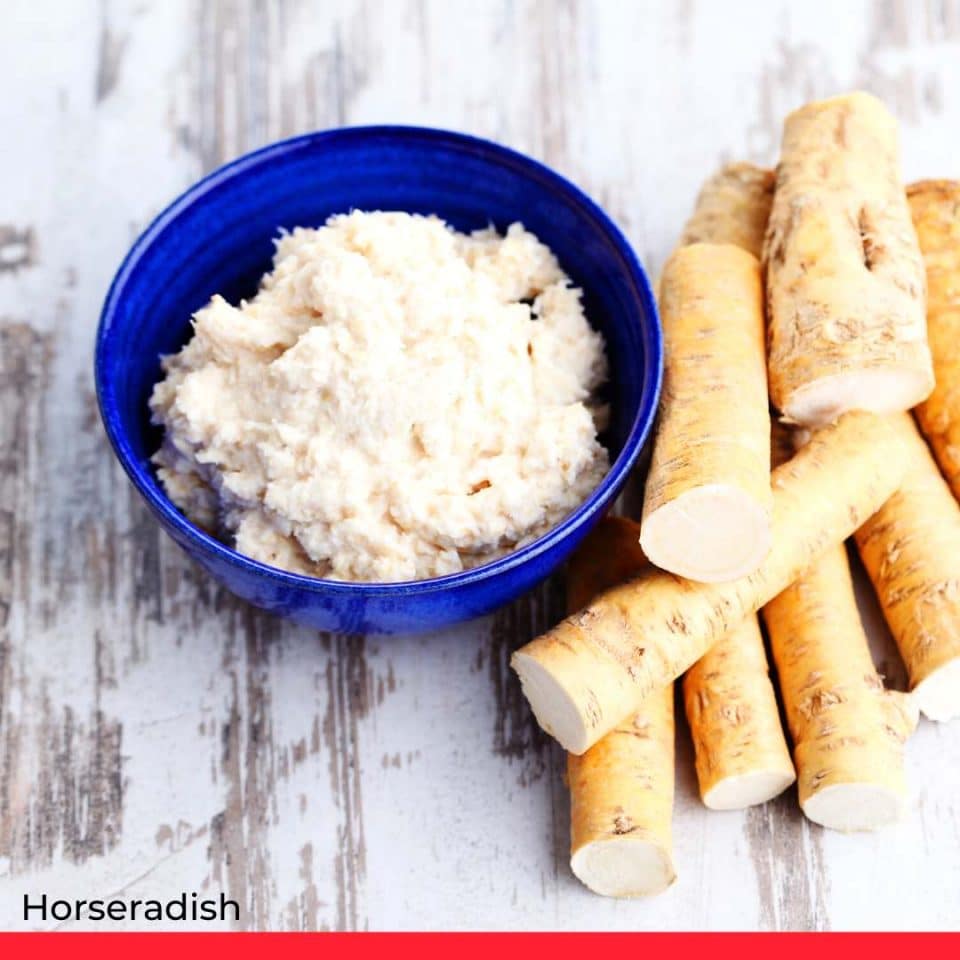
This rustic root contains intensely pungent flesh that is usually grated fresh into sauces and condiments. Unlike chili peppers, its heat comes from mustard oils that fade quickly rather than linger. Those same compounds have natural antimicrobial properties and are responsible for horseradish’s distinctive bite. It works especially well with light roast halibut or fried catfish.
Related: 25 Tasty White Fruits You Need to Try Out
Related: 25 Naturally White Foods (With Pictures!)
Related: 21 Red Vegetables Packed with Flavor
Related: 17 Yellow Vegetables for More Colorful Cooking
Related: 22 Purple Vegetables Worth Knowing