Black vegetables and legumes are among the rarest categories in the produce world. Many aren’t truly black at all, instead displaying deep shades of purple, burgundy, or charcoal thanks to naturally occurring pigments such as anthocyanins. From root vegetables and tubers to beans and other legumes, these dark-colored crops bring striking visual appeal and distinctive flavors to the table.
This collection highlights black vegetables and legumes from around the world, exploring the characteristics that make them worth seeking out. Some offer earthy sweetness, others bring peppery bite, creamy texture, or hearty substance, but nearly all add dramatic color and a unique twist to everyday cooking. Whether roasted, braised, mashed, or simmered, these ingredients prove that some of the most interesting produce comes in the darkest shades.

Featuring a rough, coal-black skin and bright white flesh, black radishes deliver a much sharper bite than standard red varieties. As members of the cruciferous vegetable family, they provide vitamin C and sulfur-containing compounds similar to those found in cabbage and broccoli. Much of the peppery intensity sits in the skin, which can be peeled away for a milder flavor or left intact for extra contrast. They work well sliced thin, pickled, or slowly braised.
Popularized by heirloom varieties like Black Krim, black tomatoes often develop deep mahogany, purple, or near-black skins under strong sunlight. Their dark coloration comes from a combination of pigments, including anthocyanins and carotenoids, which contribute both color and antioxidant activity. In the kitchen, they are prized for balancing sweetness with smoky, complex acidity.
An ancient heirloom crop from the Middle East and Asia, black carrots feature intensely dark skins that often extend into the core. Their deep color comes from anthocyanins, pigments that have attracted attention as both natural food colorants and antioxidant compounds. They have a sweet, earthy flavor with subtle spice notes and work particularly well roasted or juiced.
Heirloom varieties like Vitelotte feature dark skins and richly colored flesh that holds onto its color after cooking. The pigments responsible for those dramatic purple-black hues belong to the anthocyanin family, which is also found in blueberries and red cabbage. Their dense texture and nutty flavor make them useful for boiling, roasting, and striking homemade chips. Many varieties also keep their color surprisingly well after baking.

Eggplants come in a surprising range of colors, from white and lavender to deep purple and almost black. Perhaps one of the most iconic vegetable in the black veggie category, they are celebrated for their glossy skins and remarkable ability to absorb flavor. Their distinctive color comes from anthocyanins concentrated in the skin, while the flesh itself provides fiber with very few calories. Whether stuffed and baked with minced meat, roasted until crispy, or blended into a smooth spread, they add undeniable richness to the table.
These peppers are harvested at a stage where their skin develops a deep, glossy slate-black color before eventually ripening toward red. Inside, the flesh remains pale green and crisp, creating strong contrast when sliced raw. As they continue ripening, their nutritional profile shifts as well, with vitamin C and carotenoid levels generally increasing alongside color development.
Often called black salsify or scorzonera, this root vegetable develops a dark, almost charcoal-colored skin that hides creamy white flesh inside. Its flavor is frequently compared to asparagus, artichokes, or mild oysters, making it more delicate than its appearance suggests. It can be boiled, roasted, mashed, or served with rich sauces. Salsify is also valued for its inulin content, a prebiotic fiber that helps nourish beneficial gut bacteria.
Produced by heating whole bulbs of garlic under controlled humidity for several weeks, black garlic develops its distinctive dark color through a slow reaction. During this process, many of garlic’s compounds are transformed, resulting in higher levels of certain antioxidant compounds than fresh garlic. It loses its sharp bite and develops a soft, almost jelly-like texture with flavors reminiscent of balsamic vinegar, molasses, and savory umami. Chefs prize it for blending into sauces, compound butters, purées, and soups.

Cavolo Nero (literally translated to black cabbage from Italian) is also called Tuscan kale and has very dark blue-green leaves that can appear nearly black. It is widely used in Italian cuisine. Check out our tart recipe with cavolo nero and pecorino cheese.
Several heirloom turnip varieties develop deep purple-black skins that create a striking contrast with their crisp white flesh. While their appearance resembles black radishes, their flavor is generally milder and slightly sweeter. Young black turnips can be sliced raw into salads, while larger roots are excellent roasted, mashed, or added to soups and stews. Like other turnips, they provide vitamin C, fiber, and a range of beneficial plant compounds.
Despite the name, black sweet potatoes are usually distinguished by their dark purple-black skins rather than black flesh. Varieties such as Okinawan sweet potatoes reveal vibrant purple interiors rich in anthocyanins, the same pigments responsible for the color of blueberries and purple cabbage. Their dense, creamy texture and naturally sweet flavor make them ideal for roasting, baking, mashing, and desserts. They are also a good source of fiber, complex carbohydrates, and antioxidant compounds.
A staple ingredient across Latin American and Caribbean cooking, black beans are prized for their dense texture and ability to hold shape during long cooking. Their skins naturally darken cooking liquids, creating richly flavored broths. Rich in plant protein, fiber, iron, and folate, they are particularly useful for adding substance and nutrition to vegetarian meals.
Black soybeans feature dark hulls surrounding pale interiors and can usually be substituted for regular soybeans in soups, stir-fries, and fermented products. They are lower in carbohydrates and contain higher levels of antioxidant pigments than yellow soybeans while providing the same complete protein profile. Their firmer texture works especially well in longer cooking.
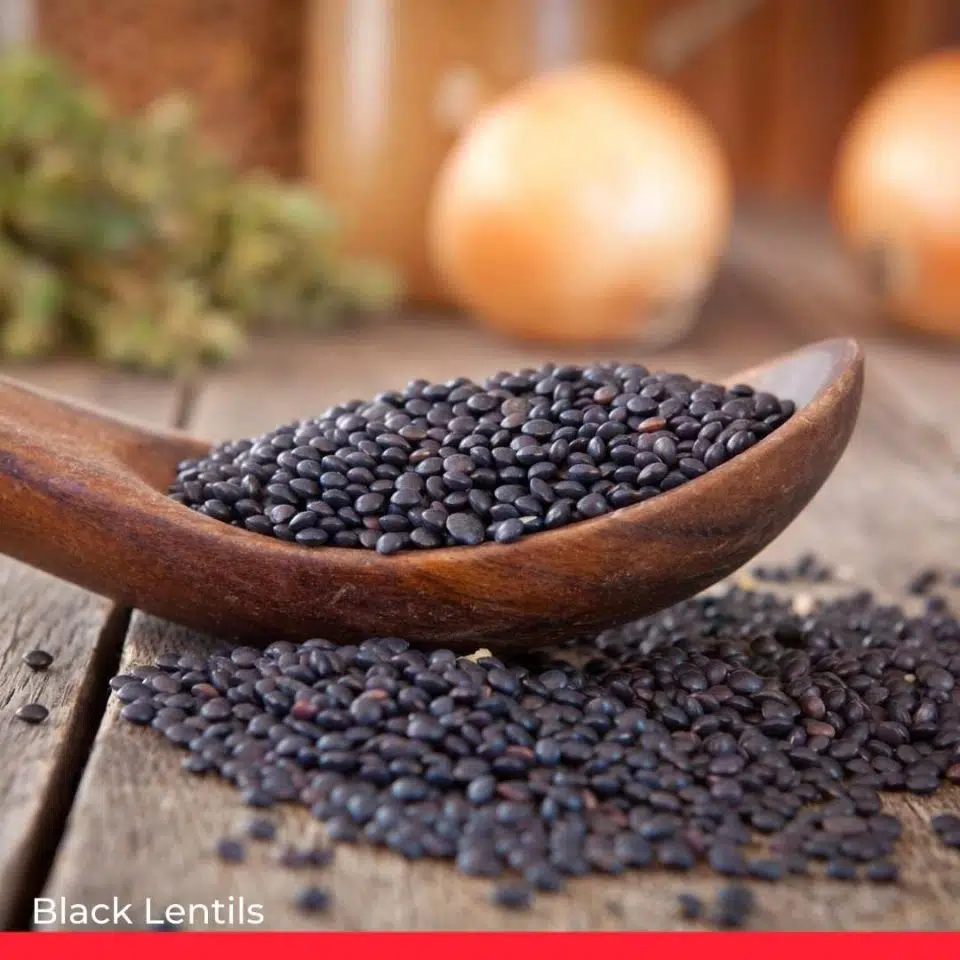
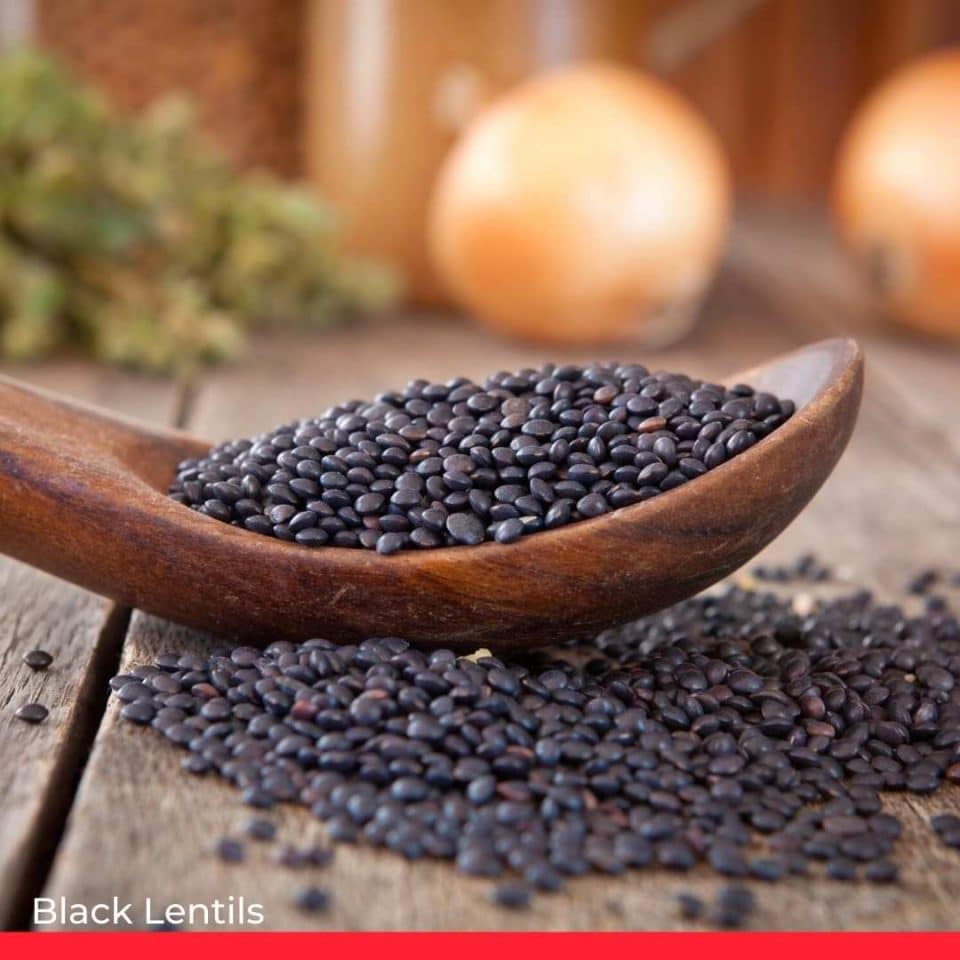
Often called Beluga lentils because of their resemblance to caviar, black lentils stay pleasantly firm after cooking. Their thick skins prevent them from becoming mushy, making them especially useful in salads and side dishes. Along with fiber and iron, they provide plant protein and folate, making them one of the most nutrient-dense legumes available.
Related: 21 Naturally Black Fruits (With Pictures!)
Related: 25 Naturally Black Foods (With Pictures!)
Related: Purple Vegetables Worth Knowing
Related: 17 Yellow Vegetables for More Colorful Cooking
Related: 21 Red Vegetables Packed with Flavor