Orange vegetables bring warmth, color, and versatility to countless dishes. From sweet roots and creamy squashes to fiery peppers and aromatic rhizomes, this vibrant group spans an impressive range of flavors and textures. Many also get their bright hues from carotenoids, natural plant compounds associated with antioxidant benefits and found throughout orange and yellow produce.
This list explores orange vegetables beyond the familiar staples, highlighting ingredients that add sweetness, earthiness, heat, and visual appeal to everyday cooking. Some are kitchen regulars, while others make only seasonal appearances, but all offer unique ways to bring more color and variety to your meals.

Carrots have earned their place as one of the world’s most dependable vegetables, equally at home in elegant dishes and everyday cooking. Their bright orange color comes from beta-carotene, which the body converts into vitamin A, a nutrient important for vision and healthy skin. Their gentle sweetness and earthy flavor work just as well grilled until caramelized as they do grated raw into salads or turned into a classic carrot cake. Few vegetables adapt so easily across cuisines, seasons, and cooking styles.

With its smooth, tan skin and vibrant orange interior, butternut squash is a true comforting classic. The beta-carotene it contains is also supports healthy eye function. Its sweet, nutty flesh becomes incredibly velvety when pureed, making it the ultimate choice for silky autumn soups and rich pasta dinners. It roasts beautifully in cubes, developing deeply savory, caramelized edges that elevate any grain bowl.
Unlike their giant, watery cousins meant for Halloween carving, sugar pie pumpkins are grown for the dinner table. They have firm flesh with concentrated sweetness that makes them a staple for baking and rich purees. They bring warm, familiar flavor to everything from snackable appetizers and elegant risotto to chocolate cake.

A beloved staple of comfort food, sweet potatoes are prized for their rich flavor and creamy texture. They are incredibly versatile, holding up beautifully whether baked whole, mashed with butter, or cut into crispy fries. They bring warmth and substance to almost any meal and due to their nutrient composition they can also help boost immune function.
If you need a few ideas, you can enjoy them roasted, blended into a hearty stew, or even tuned into crème brûlée!
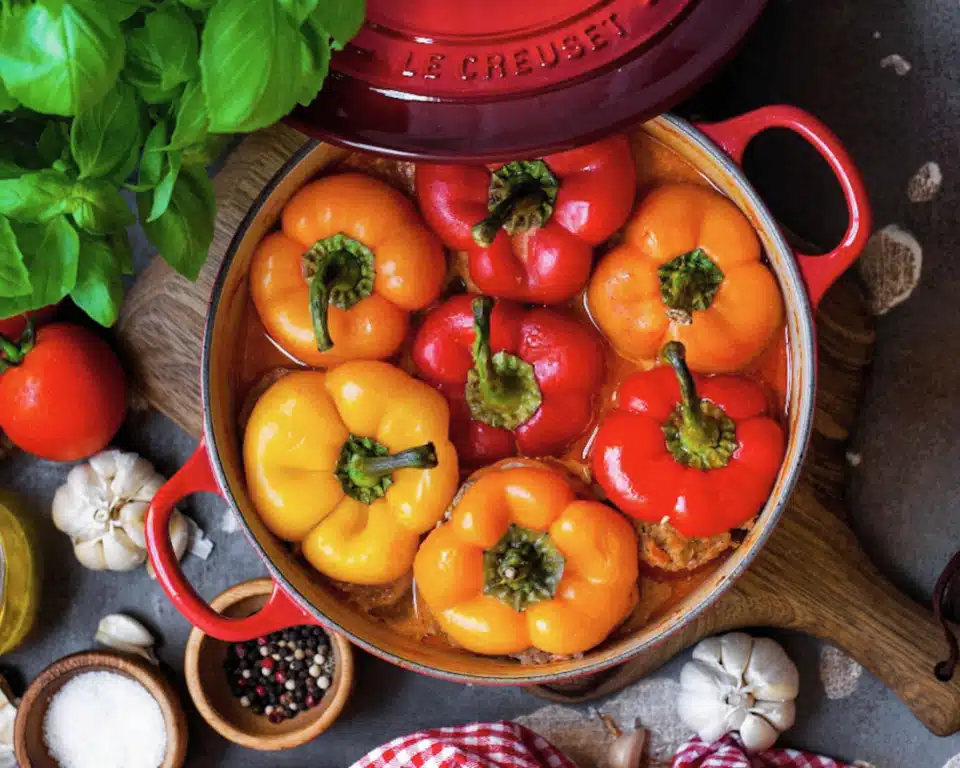
Brilliant and sunny, orange bell peppers bring a wonderfully mild, fruity sweetness to the kitchen. They are particularly rich in vitamin C, which supports collagen production and helps the body absorb iron from plant foods. They lack the sharper bite of green peppers, making them an excellent choice for salads, snack platters, and raw preparations. Roasting intensifies their sweetness even further.
Often called Japanese pumpkin, kabocha squash has a dense texture and a rich flavor that sits somewhere between sweet potato and roasted chestnut. It contributes a decent amount of dietary fiber and vitamins and it holds its shape well during cooking, making it especially useful in curries, roasted vegetable dishes, and hearty soups. Since the skin softens as it cooks, peeling is usually unnecessary.
The definition of beautiful but fierce, orange habaneros are famous for their intense heat and blazing color. Beyond the spice, they bring tropical, floral notes that make them especially valuable in Caribbean cooking and hot sauces. They’re a good source of vitamin C and capsaicin, the compound responsible for their heat. A little goes a very long way.
This cauliflower variety stands out immediately thanks to its warm orange color. Its flavor stays close to traditional cauliflower, though many people find it slightly sweeter and creamier in texture. The orange hue comes from elevated levels of beta-carotene compared to standard white cauliflower. Roasted, mashed, or broken into florets for salads, it adds color without changing how you cook it.

While you may think that turmeric is a spice, turmeric is technically a veggie. It is instantly recognizable thanks to its intensely orange flesh and ability to color almost everything it touches. Its earthy, slightly bitter flavor forms the undertone of countless curries, spice blends, and soups. The rhizome contains curcumin, a natural pigment responsible for both its color and much of the interest surrounding turmeric’s potential positive influence on liver health. Fresh or dried, it adds warmth, color, and depth to cooking. It works really well sprinkled into cheesy scones, fish stew, and spiced chicken dinners.
Low in acidity and naturally sweet, orange tomatoes offer a gentler flavor than many red varieties. Their sunny color comes from carotenoids, though they typically contain less lycopene than red tomatoes. They still provide vitamin C and a variety of antioxidant compounds. Their color makes them especially attractive in fresh salads and caprese platters, while cooking creates sauces with a softer, sweeter character.
Often featured in Rainbow Chard seed mixes under specific cultivar names like Oriale, this leafy green features broad, deep emerald leaves supported by fibrous, thick stalks that blush a brilliant, glowing orange. It provides vitamin K, which helps normal blood clotting, along with magnesium and potassium. It behaves identically to standard chard, adding a vibrant pop of color to rustic winter braises, frittatas, and tarts.
True to its name, delicata squash features a tender, striped skin that is entirely edible, making it one of the easiest winter squashes to prepare. When sliced into rounds, it creates beautiful, scalloped rings that look great on a plate. Its orange flesh contains carotenoids, the pigments responsible for many yellow and orange vegetables. It bakes up quickly, offering a sweet, mild flavor reminiscent of fresh corn and sweet potatoes.

While not technically a veggie (but treated as such), these delicate orange-yellow flowers are highly prized for their tender texture and subtle squash flavor. While they’re usually enjoyed more for their culinary appeal than their nutrient content, they still provide small amounts of vitamin C and carotenoid pigments. Traditionally stuffed with soft cheeses and herbs before being lightly battered and fried until crisp, they feel special without being complicated.

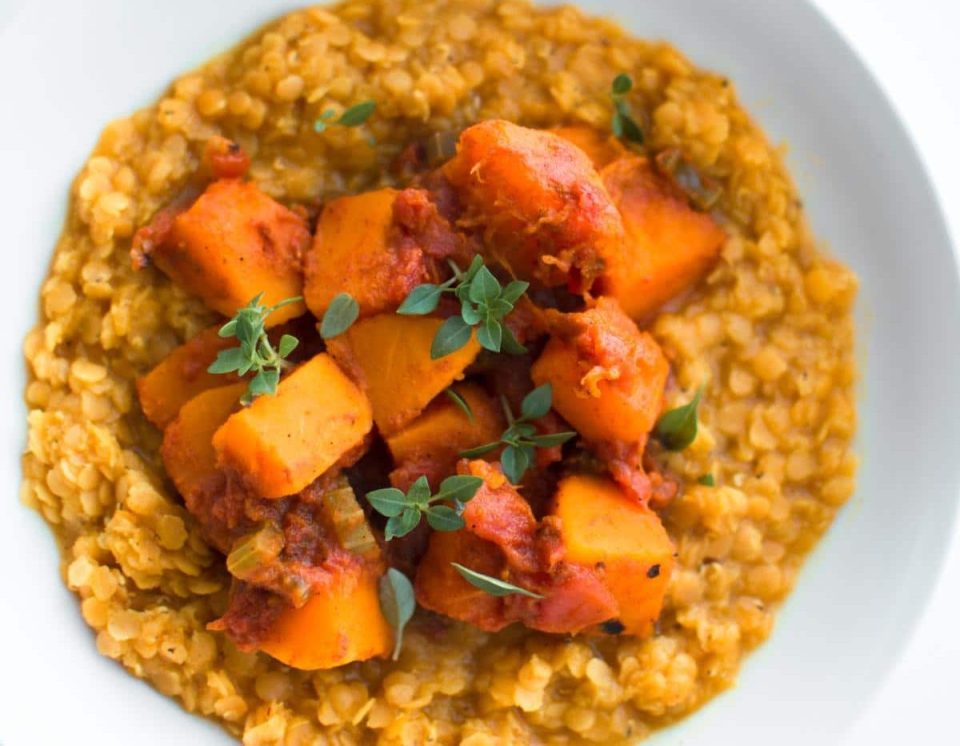
Though technically a pulse rather than a vegetable, red lentils earn their place here thanks to their bright orange-red color and versatility. They cook quickly and break down easily, making them ideal for dals, soups, and creative appetizers. Rich in plant protein, fiber, folate, and iron, they add both nutrition and body to dishes with very little effort.
Related: 30 Stunning Orange Fruits To Try Out
Related: 25 Naturally Orange Foods (With Pictures!)
Related: 21 Red Vegetables Packed with Flavor
Related: 17 Yellow Vegetables for More Colorful Cooking
Related: 35 Green Vegetables for Salads, Soups and Sides